
Dr Mini Bhargava
About Me
Dr Mini Bhargava
MBBS
General Physician
10 Years Experience
Biography
My Clinic
OPD Hours
| Monday | Morning | 10:00 AM | - | 02:00 PM |
| Evening | 06:00 PM | - | 09:00 PM | |
| Tuesday | Morning | 10:00 AM | - | 02:00 PM |
| Evening | 06:00 PM | - | 09:00 PM | |
| Wednesday | Morning | 10:00 AM | - | 02:00 PM |
| Evening | 06:00 PM | - | 09:00 PM | |
| Thursday | Morning | 10:00 AM | - | 02:00 PM |
| Evening | 06:00 PM | - | 09:00 PM | |
| Friday | Morning | 10:00 AM | - | 02:00 PM |
| Evening | 06:00 PM | - | 09:00 PM | |
| Saturday | Morning | 10:00 AM | - | 02:00 PM |
| Evening | 06:00 PM | - | 09:00 PM | |
| Sunday | Morning | 10:00 AM | - | 02:00 PM |
| Evening | 06:00 PM | - | 09:00 PM |
Treatments
Specialised care and treatments offered
GASTROESOPHAGEAL REFLUX DISEASE (GERD)
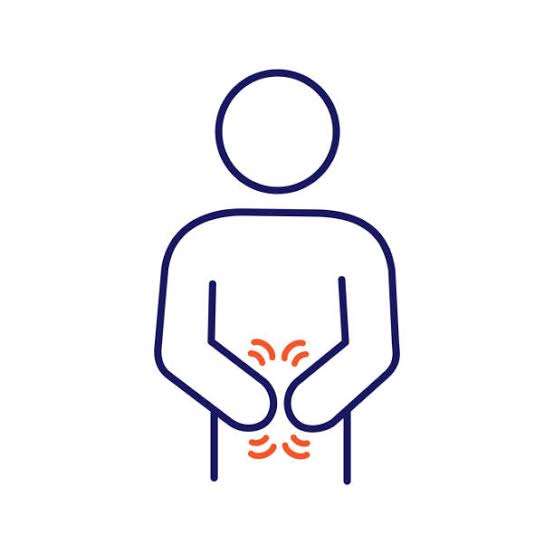
This digestive disorder occurs when stomach acid flows back into the esophagus causing discomfort known as heartburn. Managing GERD helps prevent complications like esophagitis or Barrett’s esophagus over time.
- Symptoms : Frequent burning chest pain after meals,_regurgitation,_belching.
- Diagnostic approach : Clinical history combined_with upper_endoscopy_if_indicated_to_assess_mucosal_damage.
- Treatment modalities : Lifestyle adjustments_like avoiding_trigger_foods,_eating_smaller_meals,
proton pump inhibitors_to_reduce_acid_production. - Prognosis : With_adherence_to_treatment,_symptoms_can_be_controlled_effectively_and_complications_prevented.
Timely intervention_and_consistent_self-care_strategies_are_key_to_a_comfortable_daily_life_for_patients_suffering_from_GERD._
ANEMIA EVALUATION AND TREATMENT

Anemia results from decreased red blood cells or hemoglobin impairing oxygen delivery in the body. Identifying its cause is critical for targeted therapy across various types encountered frequently in general practice.
HYPOTHYROIDISM MANAGEMENT
The thyroid gland’s reduced hormone production defines hypothyroidism. This condition slows metabolism affecting multiple body systems but is treatable with ongoing care.
- Signs & etiology: Fatigue, weight gain, cold intolerance; commonly caused by autoimmune thyroiditis or iodine deficiency.
- Diagnosis process: Blood tests measuring TSH and thyroid hormone levels are key diagnostics tools.
- Treatment regimen: Daily oral synthetic thyroxine replacement restores hormone balance effectively when taken consistently.
- Lifestyle considerations: Regular monitoring ensures dose appropriateness preventing symptoms recurrence or overdose effects.
Sustained adherence to medication allows individuals with hypothyroidism to lead normal lives without significant restrictions once stable treatment is established.
CHRONIC OBSTRUCTIVE PULMONARY DISEASE (COPD) CARE
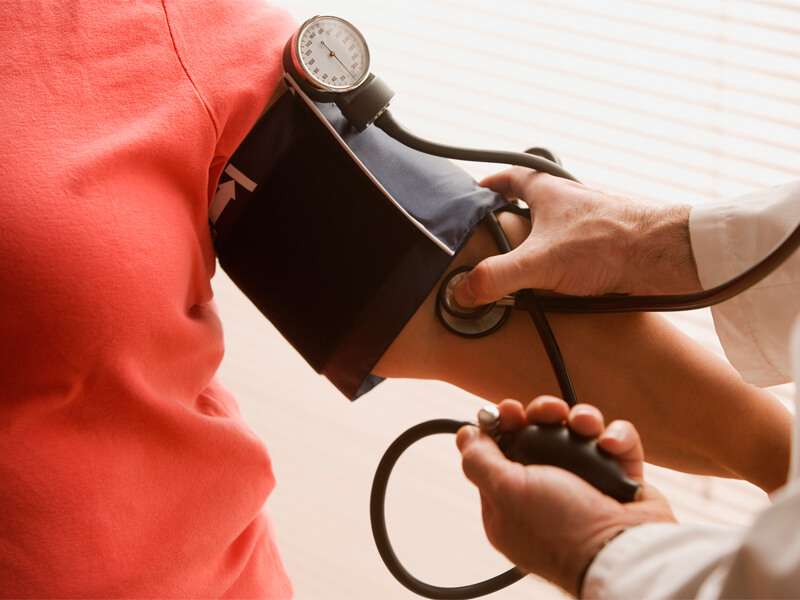
COPD encompasses progressive lung diseases causing airflow limitation primarily due to smoking. Proper care reduces symptoms and enhances quality of life.
- Causative factors & symptoms: Persistent cough, shortness of breath, wheezing; mainly caused by tobacco smoke exposure but also pollutants.
- Diagnostic methods: Spirometry testing assesses lung function confirming COPD severity.
- Treatment strategies: Smoking cessation support, bronchodilators inhalers, corticosteroids when indicated.
- Pulmonary rehabilitation: Exercise programs designed to strengthen respiratory muscles improve breathing efficiency.
- Disease monitoring: Periodic evaluation guides treatment adjustments to prevent exacerbations.
A collaborative approach focusing on symptom relief and prevention of progression helps maintain patient independence longer term.
TYPE 2 DIABETES MELLITUS
This metabolic disorder is characterized by elevated blood sugar levels due to insulin resistance or deficiency. Early identification and management can delay or prevent serious complications.
- Symptoms and causes: Increased thirst, frequent urination, fatigue; risk factors include obesity, family history, poor diet.
- Diagnosis: Blood tests like fasting glucose and HbA1c confirm the diagnosis.
- Treatment options: Emphasis on balanced diet, regular exercise, oral hypoglycemic agents, or insulin therapy as required.
- Lifestyle modifications: Weight control and smoking cessation improve outcomes significantly.
- Monitoring: Regular blood sugar checks help adjust therapy and avoid complications such as neuropathy or nephropathy.
An informed approach combining medication adherence with healthy habits is fundamental for effective diabetes control.
HYPERTENSION MANAGEMENT
High blood pressure, or hypertension, is a common condition that significantly increases the risk of heart disease and stroke. Managing hypertension involves regular monitoring and lifestyle adjustments to prevent complications.
- Symptoms and causes: Often symptomless but may include headaches or dizziness; caused by genetics, diet, stress, and sedentary lifestyle.
- Diagnosis: Confirmed through repeated blood pressure measurements using a sphygmomanometer during clinic visits.
- Treatment and management: Incorporates lifestyle changes such as diet modification, increased physical activity, stress reduction, and prescribed antihypertensive medications if needed.
- Monitoring: Regular follow-ups to assess blood pressure control and medication side effects are essential.
- Expectations: With effective management, patients can maintain normal blood pressure levels and reduce the risk of cardiovascular events.
Understanding your blood pressure status and adhering to treatment plans are crucial for long-term cardiovascular health stability.