
DR Mistry Clinic
About Me
DR Mistry Clinic
Cardiologist
Biography
My Clinic
OPD Hours
| Tuesday | Morning | 10:00 AM | - | 02:00 PM |
| Evening | 06:00 PM | - | 09:00 PM | |
| Wednesday | Morning | 10:00 AM | - | 02:00 PM |
| Evening | 06:00 PM | - | 09:00 PM | |
| Thursday | Morning | 10:00 AM | - | 02:00 PM |
| Evening | 06:00 PM | - | 09:00 PM | |
| Friday | Morning | 10:00 AM | - | 02:00 PM |
| Evening | 06:00 PM | - | 09:00 PM | |
| Saturday | Morning | 10:00 AM | - | 02:00 PM |
| Evening | 06:00 PM | - | 09:00 PM | |
| Sunday | Morning | 10:00 AM | - | 02:00 PM |
| Evening | 06:00 PM | - | 09:00 PM | |
| Thursday | Morning | 10:00 AM | - | 02:00 PM |
| Evening | 06:00 PM | - | 09:00 PM |
Treatments
Specialised care and treatments offered
ARRHYTHMIA MANAGEMENT

The term arrhythmia refers to irregular heartbeat patterns that may disrupt normal cardiac function. Addressing arrhythmias involves identifying their causes for proper treatment approaches tailored specifically toward each patient’s conditions..
- Symptoms: Palpitations,dizziness,fainting spells could indicate an underlying problem requiring intervention.
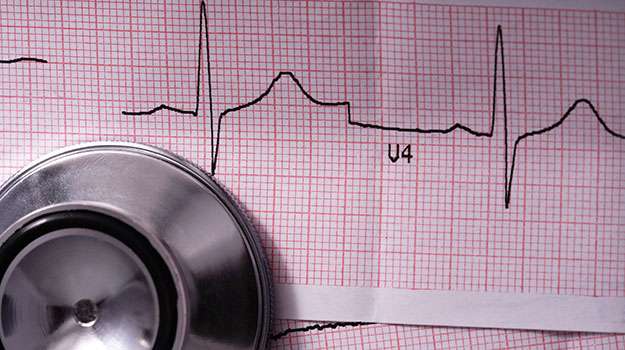
- Diagnostic methods: Electrocardiograms (ECG) monitor electrical activity which aids diagnosis accurately
- Management options: Depending upon severity,lifestyle adjustments combined with medications or procedures possibly could offer solutions
; Continuously assessing one’s lifestyle choices alongside consistent communication with healthcare professionals ensures effective monitoring regarding arrhythmias
CORONARY ARTERY DISEASE PREVENTION
The prevention of coronary artery disease (CAD) focuses on modifying risk factors that contribute to plaque buildup in the arteries supplying blood to the heart muscle. Understanding these factors is key for early intervention strategies that promote long-lasting cardiovascular health..
- Risk factors: High cholesterol levels, high blood pressure, smoking habits,and family history all increase CAD risks.
- Lifestyle changes: Emphasizing regular exercise,diet modifications,reducing alcohol consumption all contribute positively.
- Screening tests: Regular screenings including lipid profiles,blood pressure checks allow early identification of vulnerabilities.
- Medications: Statins,beta-blockers among others may be utilized depending upon individual circumstances
Taking proactive steps toward maintaining vascular integrity diminishes chances associated with CAD development profoundly affecting longevity
ECHOCARDIOGRAM
An echocardiogram uses sound waves to create images of your heart’s structure and function. This pivotal diagnostic tool helps assess various cardiac conditions in a safe manner without radiation exposure.
- Purpose: It provides detailed images of the heart's chambers, valves, and surrounding tissues for comprehensive evaluation.
STRESS TESTING
A stress test evaluates how your heart performs under physical stress. This non-invasive test helps determine the presence of ischemic heart disease or other conditions affecting cardiovascular health.
- Purpose: It assesses heart function during exercise versus resting conditions to identify potential problems not visible at rest.
- Disease detection: Stress tests can help uncover blockages in coronary arteries or abnormal heart rhythms triggered by exertion.
- Your experience: The procedure typically involves walking on a treadmill or pedaling a stationary bike while monitoring your heart rate and rhythm.
This test is crucial for formulating an appropriate treatment plan if any irregularities are detected. Your doctor will guide you through understanding the results and next steps for optimal heart health management.
CHOLESTEROL SCREENING
Cholesterol screening is an essential part of preventive cardiovascular care. By measuring cholesterol levels in the blood, it helps assess heart disease risk and manage health proactively.
- Importance: High cholesterol often presents no symptoms but increases the risk of heart attacks if unaddressed.
- Diagnosis: A simple blood test determines total cholesterol levels as well as HDL and LDL fractions.
- Treatment: If elevated levels are found, dietary changes, exercise regimens, or medications like statins may be recommended.
- Lifestyle changes: Adopting a heart-healthy diet rich in fruits and vegetables while reducing saturated fats plays a significant role in managing cholesterol levels.
The goal of cholesterol screening is to empower patients with knowledge for better cardiovascular health outcomes. Regular check-ups can lead to significant improvements in overall heart health.
HYPERTENSION
Hypertension, commonly known as high blood pressure, is a condition that can lead to serious health complications if left untreated. It often develops over years and may not present noticeable symptoms initially.
- Symptoms: Some individuals may experience headaches, shortness of breath, or nosebleeds, but many remain asymptomatic.
- Causes: Factors contributing to hypertension include obesity, a sedentary lifestyle, excessive salt intake, and genetic predisposition.
- Diagnosis: Blood pressure readings are taken using a sphygmomanometer on multiple occasions to confirm the diagnosis.
- Treatment options: Patients are often advised lifestyle changes such as diet modifications and increased physical activity; medications may also be prescribed for management.
- Management: Regular monitoring and follow-ups are crucial to manage blood pressure effectively.
Understanding hypertension is vital for prevention and management. Early detection can significantly reduce the risk of heart disease and stroke.