
Dr Mitali Joshi
About Me
Dr Mitali Joshi
General Physician
Biography
My Clinic
OPD Hours
| Tuesday | Morning | 10:00 AM | - | 02:00 PM |
| Evening | 06:00 PM | - | 09:00 PM | |
| Wednesday | Morning | 10:00 AM | - | 02:00 PM |
| Evening | 06:00 PM | - | 09:00 PM | |
| Thursday | Morning | 10:00 AM | - | 02:00 PM |
| Evening | 06:00 PM | - | 09:00 PM | |
| Friday | Morning | 10:00 AM | - | 02:00 PM |
| Evening | 06:00 PM | - | 09:00 PM | |
| Saturday | Morning | 10:00 AM | - | 02:00 PM |
| Evening | 06:00 PM | - | 09:00 PM | |
| Sunday | Morning | 10:00 AM | - | 02:00 PM |
| Evening | 06:00 PM | - | 09:00 PM | |
| Thursday | Morning | 10:00 AM | - | 02:00 PM |
| Evening | 06:00 PM | - | 09:00 PM |
Treatments
Specialised care and treatments offered
DEHYDRATION

This occurs when your body loses more fluids than it takes in. Dehydration can range from mild to severe levels depending on fluid loss circumstances such as intense exercise or illness like fever/vomiting leading rapidly into fluctuations needing monitoring immediately!
- Recognizable signs include excessive thirst along with dry mouth/nose/skin plus diminished urination frequency resulting potentially stressing vital organs overall negatively!
- Doctors will also assess hydration status through physical examinations alongside possibly conducting blood tests regarding electrolyte imbalances contributing heavily into these conditions!
- Management approaches primarily aim towards purposeful rehydration through oral fluids ideally containing essential salts; intravenous fluids become critical during emergency situations requiring urgent attention from specialists involved swiftly!
Prompt identification fosters better outcomes post-event though prevention methods must continue through ensuring adequate water intake routinely especially amidst humid climates prevalent throughout regions alike Mumbai consistently!
INFLUENZA (FLU)

The influenza virus leads to seasonal outbreaks characterized by sudden onset illness that affects respiratory systems severely. Recognizing flu symptoms promptly facilitates better management strategies without unnecessary complications.
- Main symptoms encompass high fever, chills, body aches, fatigue which can vary between individuals but usually become apparent within one to four days of exposure!
- A doctor confirms diagnosis primarily based on clinical signs backed by rapid diagnostic tests available in specific scenarios during peak flu season visits!
- Treatment options typically focus on rest along with antiviral medications available that work best when taken early in the infection phase; however supportive treatments like analgesics for muscle/joint pain come highly recommended too!
Timely intervention ensures better symptom resolution while decreasing likelihoods concerning hospital admissions among high-risk patients throughout Mumbai’s localized outbreak scenarios.
SINUSITIS

When the cavities around your nasal passages become inflamed or swollen—often due to infections—this is known as sinusitis. Patients frequently experience discomfort that can affect daily activities significantly.
- Main symptoms of sinusitis include thick nasal discharge, facial pain/pressure, cough that worsens at night, and reduced sense of smell/taste.
- A healthcare provider diagnoses the condition through symptom review and physical examination; imaging tests may be needed for chronic cases.
- Treatment typically involves saline nasal sprays for rinsing out sinuses along with decongestants. Antibiotics are prescribed only when caused by bacteria after assessment.
- Pain relievers can help manage discomfort while waiting for conditions to improve naturally over time.
If symptoms persist beyond ten days or worsen over time, further medical evaluation might be warranted to explore underlying causes more intimately.
HYPERTENSION
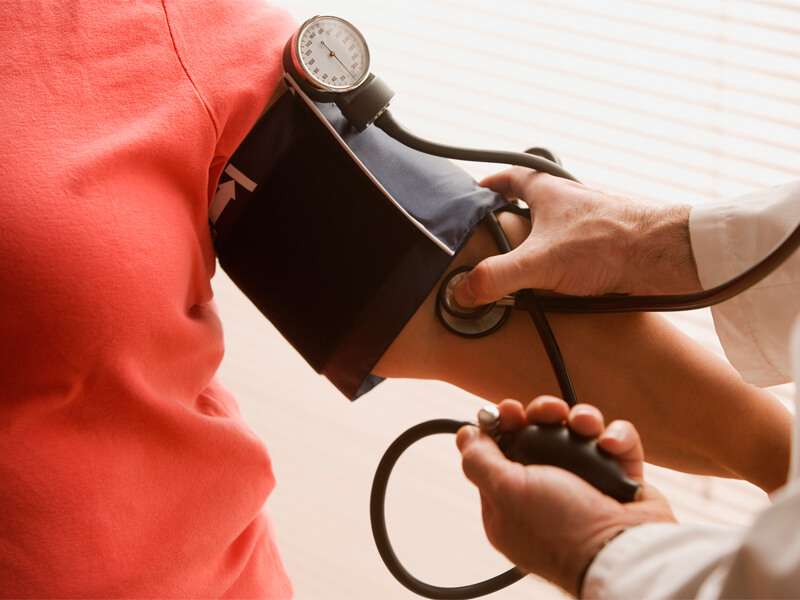
High blood pressure is often termed a silent killer because many people exhibit no symptoms until serious complications arise. It requires regular monitoring to ensure timely intervention.
- The major symptoms, when they occur, can include headaches, shortness of breath, or nosebleeds but are often absent entirely.
- A diagnosis is made during routine blood pressure checks and additional tests may be conducted to assess heart health.
- Treatment options involve lifestyle changes such as diet modification and increased physical activity; medications like diuretics or ACE inhibitors are prescribed based on individual needs.
- Persistent monitoring is key; adjustments in treatment might be necessary based on metabolic response or side effects from medications.
Effective management can significantly reduce risks associated with prolonged elevated blood pressure such as stroke or heart disease.
GASTROENTERITIS
This condition involves inflammation of the stomach and intestines, often due to a viral or bacterial infection. Gastroenteritis can lead to significant discomfort and dehydration if not managed properly.
- Typical symptoms include nausea, vomiting, diarrhea, abdominal cramps, and fever.
- A physician will diagnose gastroenteritis through patient history and may conduct stool tests in severe cases.
- The mainstay of treatment is hydration to prevent dehydration. Electrolyte solutions may be recommended along with anti-nausea medications as required.
- Recovery usually occurs within a few days; however, individuals should monitor their symptoms closely for any worsening conditions.
Your healthcare provider can offer guidance on managing symptoms at home while ensuring adequate recovery strategies are in place.
ACUTE BRONCHITIS

Acute bronchitis, commonly caused by viral infections, results in inflammation of the bronchial tubes. This condition manifests with a persistent cough and can be quite distressing for patients.
- Symptoms include a dry cough that may produce mucus, fatigue, slight fever, and chest discomfort.
- Diagnosis often involves a physical examination and may include a chest X-ray to rule out pneumonia.
- Treatment typically focuses on symptom relief with rest, increased fluid intake, and over-the-counter medications. Antibiotics are rarely necessary unless a bacterial infection is suspected.
- Patients should expect coughing to persist for several weeks as the lungs recover.
Most cases resolve without complications; however, chronic respiratory issues may require further evaluation.