
Dr MM Piplani
About Me
Dr MM Piplani
MBBS
General Physician
10 Years Experience
Biography
My Clinic
OPD Hours
| Monday | Morning | 10:00 AM | - | 02:00 PM |
| Evening | 06:00 PM | - | 09:00 PM | |
| Tuesday | Morning | 10:00 AM | - | 02:00 PM |
| Evening | 06:00 PM | - | 09:00 PM | |
| Wednesday | Morning | 10:00 AM | - | 02:00 PM |
| Evening | 06:00 PM | - | 09:00 PM | |
| Thursday | Morning | 10:00 AM | - | 02:00 PM |
| Evening | 06:00 PM | - | 09:00 PM | |
| Friday | Morning | 10:00 AM | - | 02:00 PM |
| Evening | 06:00 PM | - | 09:00 PM | |
| Saturday | Morning | 10:00 AM | - | 02:00 PM |
| Evening | 06:00 PM | - | 09:00 PM | |
| Sunday | Morning | 10:00 AM | - | 02:00 PM |
| Evening | 06:00 PM | - | 09:00 PM |
Treatments
Specialised care and treatments offered
OBESITY COUNSELING AND WEIGHT MANAGEMENT
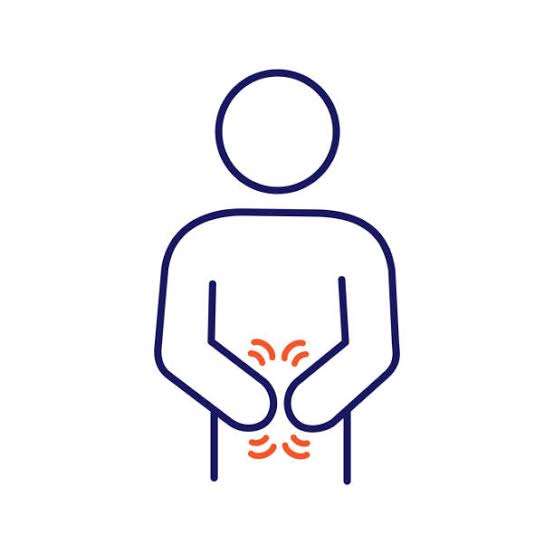
The rise in obesity rates poses several health challenges including diabetes and heart diseases. Effective weight management combines multiple approaches tailored specifically for each person’s needs.
- Causes & health implications : Excess caloric intake combined with sedentary lifestyle leads to accumulation of body fat impacting metabolic functions .
- Assessment methods : Body mass index (BMI) calculation alongside waist circumference measurement assess degree of obesity .
- Intervention components : Nutritional guidance focusing on balanced diet , structured physical activity programs , behavioral therapy help reduce weight gradually safely .
- Long-term outlook: Sustained lifestyle changes prevent relapse while decreasing risks associated with obesity such as hypertension , sleep apnea .
The focus remains on practical achievable goals fostering healthier living rather than rapid weight loss alone for lasting benefits.
SEASONAL ALLERGIC RHINITIS CONTROL

This allergic condition affects many during pollen seasons causing nasal congestion and irritation. Recognizing triggers early allows for prompt symptom relief through targeted interventions.
- Symptoms & causes : Sneezing fits , runny nose , itchy eyes caused primarily by airborne allergens like pollens , dust mites .
- Diagnostic considerations: Clinical history supported by allergy testing such as skin prick or blood IgE assays confirms sensitivity .
- Management strategies: Avoidance of triggers , use of antihistamines , nasal corticosteroids , saline sprays provide significant symptom reduction .
- Preventive measures: Immunotherapy may be recommended for long-term control in persistent cases resistant to medication .
Proper measures substantially enhance comfort during allergy seasons improving patient daily functioning .
ANEMIA EVALUATION AND MANAGEMENT
Anemia occurs when your body doesn’t have enough healthy red blood cells to carry oxygen efficiently. It can cause fatigue and weakness but often improves with appropriate treatment once diagnosed correctly.
- Identifying causes & symptoms: Nutritional deficiencies (iron, B12), chronic diseases; signs include pallor, dizziness, shortness of breath on exertion.
- Diagnostic testing: Complete blood count (CBC) determines severity and type; further studies reveal underlying etiology.
- Treatment methods: Addressing nutritional deficits via supplements or diet modifications; managing chronic conditions contributing to anemia;
- Follow-up care: Adequate monitoring ensures recovery of hemoglobin levels while preventing recurrence
Anemia management significantly enhances energy levels and overall wellbeing when personalized according to individual cause profiles.
CHRONIC OBSTRUCTIVE PULMONARY DISEASE (COPD) SUPPORT
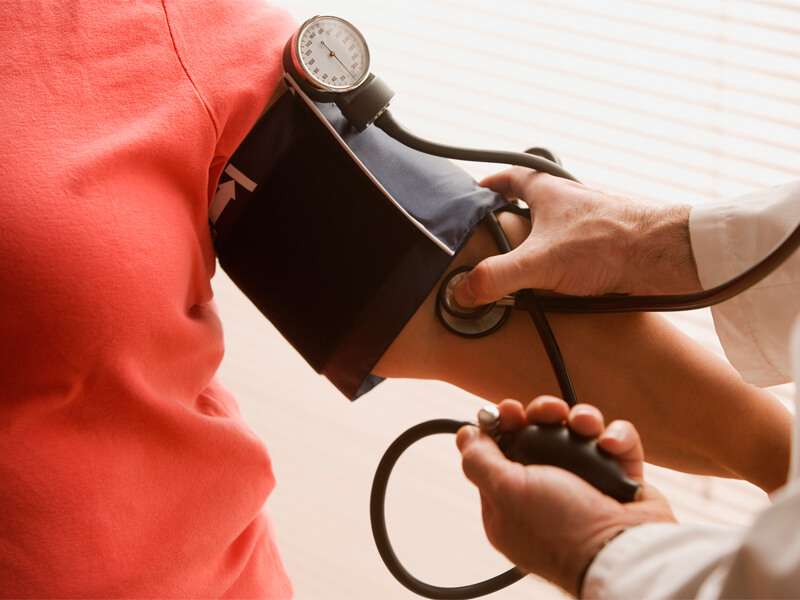
COPD is a progressive lung condition that makes breathing difficult. Managing this disease early helps ease symptoms and improves daily function.
- Main causes and signs: Long-term exposure to harmful particles like tobacco smoke leading to cough, breathlessness, frequent respiratory infections.
- How it’s diagnosed: Lung function tests including spirometry measure airflow obstruction for confirmation.
- Treatment approaches: Quitting smoking is essential; inhalers and bronchodilators help open airways; pulmonary rehabilitation supports lung health improvement.
- Lifestyle adaptations: Avoiding pollutants and vaccination against flu/pneumonia reduce exacerbations and hospital visits.
The goal is to slow progression while maximizing quality of life through coordinated care plans tailored individually.
TYPE 2 DIABETES CARE

Type 2 diabetes is a metabolic disorder impacting how your body uses glucose. Early diagnosis and proper management can prevent complications commonly associated with this condition.
- Causes and symptoms: Insulin resistance caused by genetics, obesity, inactivity; symptoms include increased thirst, frequent urination, fatigue.
- Diagnostic methods: Blood tests such as fasting glucose levels or HbA1c provide accurate assessment of blood sugar control.
- Treatment strategies: Focus on healthy eating habits, regular exercise to improve insulin sensitivity, oral medications or insulin therapy if needed.
- Complication prevention: Monitoring blood sugar regularly to avoid nerve damage, kidney problems, eye issues through consistent care.
Lifestyle changes alongside prescribed treatments play a critical role in managing Type 2 diabetes effectively over the long term.
HYPERTENSION MANAGEMENT
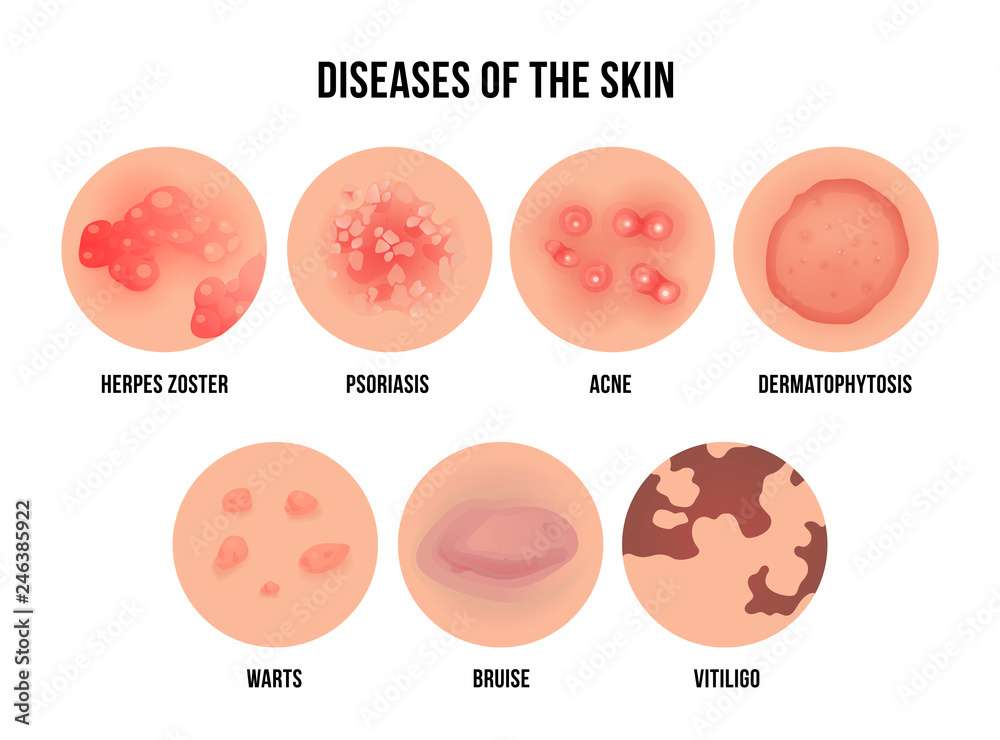
High blood pressure, or hypertension, is a common health issue that can lead to serious complications if left unmanaged. Understanding, monitoring, and controlling your blood pressure are key steps in maintaining cardiovascular health.
- Symptoms and causes: Often called the "silent killer" as it may show no symptoms; caused by factors such as genetics, diet high in salt, obesity, stress, and sedentary lifestyle.
- Diagnosis: Regular blood pressure measurements using a cuff device during medical visits or at home to confirm persistent elevation.
- Treatment options: Lifestyle modifications like reducing salt intake, regular physical activity, weight management, along with medications when necessary.
- Monitoring: Frequent follow-ups to adjust treatment plans and ensure blood pressure targets are met to reduce risk of heart disease or stroke.
Managing hypertension requires commitment but can greatly improve overall quality of life and reduce serious health risks through effective control strategies.