
Dr Mohammad Ismail
About Me
Dr Mohammad Ismail
Internal Medicine
Biography
My Clinic
OPD Hours
| Tuesday | Morning | 10:00 AM | - | 02:00 PM |
| Evening | 06:00 PM | - | 09:00 PM | |
| Wednesday | Morning | 10:00 AM | - | 02:00 PM |
| Evening | 06:00 PM | - | 09:00 PM | |
| Thursday | Morning | 10:00 AM | - | 02:00 PM |
| Evening | 06:00 PM | - | 09:00 PM | |
| Friday | Morning | 10:00 AM | - | 02:00 PM |
| Evening | 06:00 PM | - | 09:00 PM | |
| Saturday | Morning | 10:00 AM | - | 02:00 PM |
| Evening | 06:00 PM | - | 09:00 PM | |
| Sunday | Morning | 10:00 AM | - | 02:00 PM |
| Evening | 06:00 PM | - | 09:00 PM | |
| Thursday | Morning | 10:00 AM | - | 02:00 PM |
| Evening | 06:00 PM | - | 09:00 PM |
Treatments
Specialised care and treatments offered
GASTROESOPHAGEAL REFLUX DISEASE (GERD) MANAGEMENT
The Gastroesophageal Reflux Disease (GERD) involves chronic acid reflux resulting from stomach contents flowing back into the esophagus causing discomfort and potential longer-term complications if untreated.
- Sufferers often report typical symptoms, including persistent heartburn during meals or nighttime along with regurgitation sensations which could prove distressing!
- A diagnosis may warrant endoscopic examinations alongside pH testing methods assessing esophageal acidity showcasing reflux episodes enduringly present?
- Treatment relies heavily upon pharmacotherapy focusing on proton pump inhibitors (PPIs), antacids intended mitigating gastric acid whilst encouraging behavioral modifications promoting healthier eating habits minimizing irritative foods!
- Anticipating periodic assessment plays an integral role ensuring effective control allowing patients regain comfort ultimately improving their quality-of-life significantly!
Maintaining vigilance regarding GERD empowers individuals pursue healthier lifestyles free excessive symptomatology hindering enjoyment day-to-day living every occasion !
LIVER DISEASE EVALUATION
Liver diseases encompass a variety of conditions affecting liver function. Early evaluation ensures effective treatment options are available before advanced complications develop.
- Main causes include chronic alcohol consumption, viral hepatitis infection (Hepatitis B or C), fatty liver disease among others leading to inflammation or cirrhosis over time.
- Disease evaluation may involve ultrasound imaging studies alongside liver function tests to ascertain the extent of injury present within liver tissues.
- Treatment strategies vary from lifestyle changes—especially dietary adjustments—to pharmaceutical therapies targeting specific underlying causes like antiviral medications for hepatitis infections. In advanced cases where damage is irreversible; transplantation might be discussed as an option too thus making regular assessments key in managing liver health proactively!
Eagerly addressing liver concerns results in more favorable prognoses enhancing longevity while reducing risks associated with late-stage illnesses afflicted therein!
HYPERTENSION (HIGH BLOOD PRESSURE) TREATMENT
Hypertension is often termed a 'silent killer' because it typically presents no symptoms until significant damage has been done. Effective management is essential for reducing risks associated with heart disease and stroke.
- The common symptoms, if present at all, may include headaches or nosebleeds; however many remain asymptomatic without intervention.
- A diagnosis is achieved through consistent blood pressure readings taken in various settings to confirm elevated levels over time.
- Treatment focuses on lifestyle modifications—such as reduced salt intake—and pharmacological interventions including diuretics or ACE inhibitors depending on severity levels.
- Persistent monitoring is crucial; adjustments in therapy may be necessitated by changes in overall health status or response to current treatments.
An individualized approach supports optimal outcomes for those dealing with hypertension through education and supportive interventions aimed at controlling blood pressure effectively throughout life stages.
DIABETES MANAGEMENT
Managing diabetes effectively is critical for maintaining overall health. Diabetes affects how your body uses glucose and can lead to significant complications if not properly controlled.
- The primary symptoms include increased thirst, frequent urination, extreme fatigue, and blurred vision among others.
- A healthcare provider typically diagnoses diabetes using fasting blood glucose tests or HbA1c measurements.
- Treatment generally includes a combination of dietary control, physical activity enhancements, oral medications or insulin therapy as required.
- Lifelong management involves regular monitoring of blood sugar levels and routine medical check-ups to prevent complications such as neuropathy or cardiovascular disease.
By taking proactive steps in diabetes management, individuals can significantly reduce the risk of severe health issues while enjoying a normal lifestyle.
HEART FAILURE MANAGEMENT
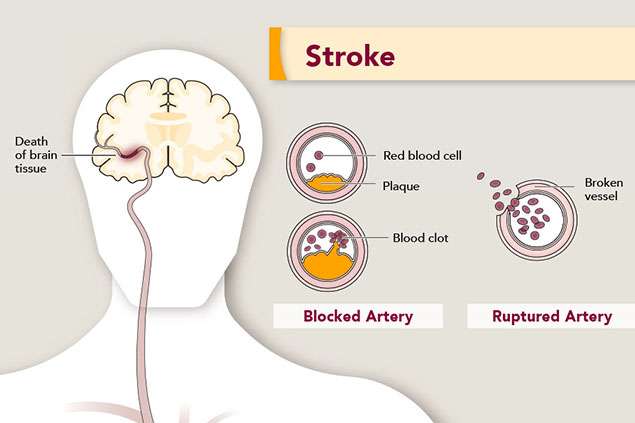
Heart failure occurs when the heart cannot pump enough blood to meet the body's needs. It is a serious condition that requires comprehensive management to enhance patients' quality of life.
- Common symptoms include fatigue, swelling in the legs and ankles, shortness of breath during activities or while lying down.
- The diagnosis may involve echocardiograms, stress tests, and monitoring of physical activity levels.
- Treatment strategies include lifestyle modifications such as dietary changes and exercise regimens alongside medications like diuretics and ACE inhibitors. Advanced therapies including devices or surgery may be warranted in severe cases.
- Patients should expect ongoing evaluations to adapt treatment plans as needed for optimal heart health.
With proper care and adherence to treatment protocols, many individuals with heart failure can lead fulfilling lives.
CHRONIC OBSTRUCTIVE PULMONARY DISEASE (COPD)
Chronic Obstructive Pulmonary Disease, commonly known as COPD, is a progressive lung disease that restricts airflow and makes breathing difficult. Often caused by long-term exposure to harmful substances like cigarette smoke, it can severely impact quality of life.
- Symptoms typically include persistent cough, excess mucus production, shortness of breath, and wheezing.
- Diagnosis usually involves pulmonary function tests, chest X-rays, and blood tests to assess oxygen levels in the bloodstream.
- Treatment options range from lifestyle changes like smoking cessation to medications such as bronchodilators and corticosteroids. In severe cases, supplemental oxygen or surgery may be necessary.
- Effective management can greatly improve daily living; regular check-ups are vital for monitoring the condition's progression.
Understanding COPD is crucial for patients to manage their symptoms effectively and maintain an active lifestyle.