
Dr Mohan Saini
About Me
Dr Mohan Saini
MD
Anesthesiologist
Biography
My Clinic
OPD Hours
| Monday | Morning | 10:00 AM | - | 02:00 PM |
| Evening | 06:00 PM | - | 09:00 PM | |
| Tuesday | Morning | 10:00 AM | - | 02:00 PM |
| Evening | 06:00 PM | - | 09:00 PM | |
| Wednesday | Morning | 10:00 AM | - | 02:00 PM |
| Evening | 06:00 PM | - | 09:00 PM | |
| Thursday | Morning | 10:00 AM | - | 02:00 PM |
| Evening | 06:00 PM | - | 09:00 PM | |
| Friday | Morning | 10:00 AM | - | 02:00 PM |
| Evening | 06:00 PM | - | 09:00 PM | |
| Saturday | Morning | 10:00 AM | - | 02:00 PM |
| Evening | 06:00 PM | - | 09:00 PM | |
| Sunday | Morning | 10:00 AM | - | 02:00 PM |
| Evening | 06:00 PM | - | 09:00 PM |
Treatments
Specialised care and treatments offered
INTRAVENOUS SEDATION
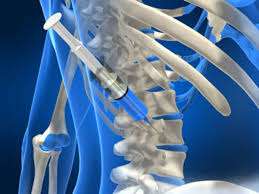
Intravenous sedation serves as an effective solution particularly suited for anxious patients undergoing various non-invasive procedures in a comfortable environment. Using medications administered directly into circulation allows rapid onset thus facilitating ease throughout such experiences crucially aimed at alleviating distress faced otherwise commonly observed pre-appointment apprehensions experienced widely today!
- This sedation strategy emphasizes managing anxiety levels while enabling adequate cooperation required during various dental & surgical interventions undertaken periodically amongst dedicated care services offered readily across facilities catering specifically toward preferred options chosen reflecting personalized styles advocated uniformly wherever indicated!
- Doctor assessments factor into planning determining suitable candidates assessing their individual circumstances thereby teaching safe practices beforehand preparing adequately alongside patient insight aspiring thereafter towards achieving relieving sensations expected leading towards satisfaction fulfilled ultimately!
- Physicians closely monitor vitals keeping track attentively throughout durations experienced ensuring efficaciousness corresponds well meets expectations embraced collectively enabling smooth transitions marked clearly across engagements sought after repeatedly whenever identified improving lives extensively !
Choosing this method remains optimal owing specifically conducive properties encountered promising undoubtedly satisfactory returns gained reflected positively afterwards felt substantially delivering delightful impressions crucially essential maintaining consistently high standards upheld dearly dedicated focused extensively across journeys embarked upon willingly together moving forward optimistically growing healthier aside unburdenedly too!
MONITORED ANESTHESIA CARE (MAC)

Monitored Anesthesia Care (MAC) combines sedation with local anesthesia tailored specifically for outpatient procedures requiring patient cooperation. This approach allows patients both comfort and responsiveness without needing full general anesthesia during outpatient interventions like colonoscopies or minor surgery adjustments.
- MAC provides necessary analgesia along with an anxiolytic effect tailored individually based on assessed needs before any planned intervention starts.
- Prior diagnostic evaluations factor into determining appropriateness when considering health specifics along with procedural requirements beforehand.
- Administration typically occurs via intravenous routes using sedative agents adjusted adeptly over time fostering enhancement towards comfort level desired by each patient uniquely during these outpatient affairs.
- As treatments conclude successfully continuing monitoring assures returning vigilance towards stabilization post-sedation until capacity restores itself fully fulfilling readiness criteria scheduled timely upon completion!
This method maximizes effectiveness guaranteeing optimal safety accompanies every single visit undertaken ensuring refreshment awaits ahead comfortably after achieving successful outcomes!
REGIONAL ANESTHESIA

This specific type of anesthesia targets particular regions in the body to provide profound analgesia. It is commonly used in surgeries involving limbs or lower body regions where localized numbing is beneficial while allowing some level of consciousness throughout the procedure.
- Painful conditions such as those requiring orthopedic surgeries often lead practitioners to recommend regional anesthesia approaches like nerve blocks or spinal anesthesia based on individual needs.
- A thorough diagnostic process occurs through clinical assessments which help identify appropriate candidates for this type of anesthetic intervention based on medical history and current health status.
- Treatment delivery involves strategically injecting local anesthetic agents around nerves or into designated areas within the spinal column, which helps achieve targeted pain relief effectively without affecting overall consciousness levels too severely.
- Patients should expect numbness in treated areas alongside ongoing monitoring by trained personnel throughout their procedure for safety assurance and optimal results thereafter.
This innovative approach minimizes systemic medication use while achieving excellent outcomes in procedural comfort and management!
SEDATION FOR MINOR PROCEDURES

Light sedation is frequently employed in outpatient settings to minimize anxiety and discomfort during less invasive medical procedures. This option helps maintain patient cooperation while ensuring safety without complete loss of consciousness.
- Sedation is particularly beneficial when patients experience significant anxiety about dental work or minor surgical interventions like endoscopies.
- Anesthesiologists typically evaluate patient health status to determine suitability for this form of sedation prior to treatment.
- The management includes administering sedative medications intravenously or orally that promote relaxation while still enabling responsiveness to instructions.
- During recovery, patients may feel drowsy but will usually regain alertness within a short period following treatment completion.
- Monitoring continues until patients are stable enough for discharge with post-care instructions provided for safe home recovery.
This method is designed to maximize comfort while ensuring that procedures can be performed efficiently with minimal stress on patients.
GENERAL ANESTHESIA

General anesthesia is a critical aspect of modern surgical practice that ensures patients remain unconscious and free from pain during complex procedures. This approach uses a combination of intravenous drugs and inhaled gases to achieve a controlled state of deep sleep.
- The indication for general anesthesia encompasses major surgeries where comprehensive muscle relaxation and lack of awareness are required.
- Diagnosis prior to application involves medical history review, physical examination, and assessment of associated risks relevant to the planned procedure.
- Treatment involves careful administration by a skilled anesthesiologist who monitors vital signs throughout the surgery for optimal safety.
- Patients can anticipate waking up gradually post-surgery as the medications wear off, often experiencing grogginess initially.
- Sufficient recovery time is usually mandated before discharge, ensuring all vital functions stabilize appropriately afterward.
This type of anesthesia provides profound relief from surgical trauma, allowing for effective surgical interventions without discomfort or awareness.
EPIDURAL ANESTHESIA

Epidural anesthesia is a popular technique used to provide pain relief during labor and certain surgical procedures. This method involves the injection of anesthetic into the epidural space surrounding the spinal cord, effectively blocking pain sensations in specific areas of the body.
- Common symptoms indicating the need for epidural anesthesia include intense labor pains or discomfort during surgery.
- The diagnosis process generally involves an evaluation of medical history, physical examination, and assessment of pain levels.
- Treatment typically includes administering an anesthetic agent via a catheter placed in the epidural space, allowing for continuous pain control as needed.
- After administration, patients can expect relief from pain within minutes, with effects lasting through the duration of their procedure or labor.
- Post-procedure monitoring is essential to ensure safety and address any potential side effects.
This technique offers significant relief and allows patients to focus on their recovery while minimizing discomfort during medical procedures.