
Dr Mohan Singh R
About Me
Dr Mohan Singh R
MS
Orthopaedic Surgeons
10 Years Experience
Biography
My Clinic
OPD Hours
| Monday | Morning | 10:00 AM | - | 02:00 PM |
| Evening | 06:00 PM | - | 09:00 PM | |
| Tuesday | Morning | 10:00 AM | - | 02:00 PM |
| Evening | 06:00 PM | - | 09:00 PM | |
| Wednesday | Morning | 10:00 AM | - | 02:00 PM |
| Evening | 06:00 PM | - | 09:00 PM | |
| Thursday | Morning | 10:00 AM | - | 02:00 PM |
| Evening | 06:00 PM | - | 09:00 PM | |
| Friday | Morning | 10:00 AM | - | 02:00 PM |
| Evening | 06:00 PM | - | 09:00 PM | |
| Saturday | Morning | 10:00 AM | - | 02:00 PM |
| Evening | 06:00 PM | - | 09:00 PM | |
| Sunday | Morning | 10:00 AM | - | 02:00 PM |
| Evening | 06:00 PM | - | 09:00 PM |
Treatments
Specialised care and treatments offered
SCOLIOSIS EVALUATION & TREATMENT
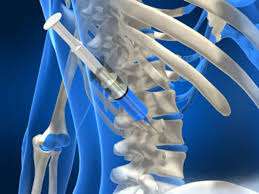
Scoliosis represents an abnormal lateral curvature of the spine seen commonly during adolescence but also present congenitally or developing in adults due to other spinal conditions.
FRACTURE FIXATION TECHNIQUES
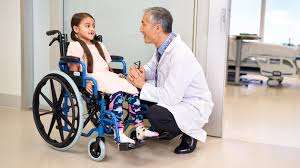
The stabilization of broken bones facilitates proper healing alignment essential to regain full limb functionality after trauma incidents such as falls or accidents.
ROTATOR CUFF TEAR REPAIR

The rotator cuff comprises muscles stabilizing the shoulder joint. Tears here cause significant discomfort and limit arm movements essential for daily activities.
- Causative factors: Tears arise from acute trauma or chronic degeneration due to repetitive overhead activities common in sports or labor jobs.
- Evidencing diagnosis: Clinical tests coupled with ultrasound or MRI confirm tendon integrity disruptions within the shoulder complex.
- Surgical treatment: Arthroscopic repair reattaches torn tendons to bone using sutures anchored securely during minimally invasive procedures.
- Please note recovery course:
OSTEOARTHRITIS MANAGEMENT

A degenerative joint disease predominantly affecting older adults, osteoarthritis leads to progressive cartilage breakdown causing pain and stiffness in weight-bearing joints.
- Main features: Symptoms include joint pain aggravated by activity, reduced range of motion, swelling, and sometimes crepitus during movement.
- Diagnostic tools: X-rays reveal narrowing of joint spaces along with bone changes confirming osteoarthritic changes.
- Treatment strategies: Conservative management includes physical therapy, weight control, analgesics, anti-inflammatory medications; advanced cases may require surgical interventions like joint replacement.
- Lifestyle advice: Low-impact exercises help maintain muscle strength supporting affected joints while avoiding further injury.
A multidisciplinary approach focused on symptom relief and function preservation improves quality of life despite this chronic condition’s progressive nature.
PEDIATRIC CLUBFOOT CORRECTION

Clubfoot is a congenital deformity that affects newborns’ feet alignment. Early intervention is crucial for achieving normal foot function as the child grows.
- Symptoms/causes: Affected feet appear twisted inward and downward, limiting walking ability if untreated; the exact cause involves genetic and environmental factors.
- Diagnosis: Diagnosis is made clinically at birth or through prenatal ultrasound scans.
- Treatment methods: The Ponseti method involving gentle manipulation and casting is preferred initially; in some cases, minor surgery may be necessary to release tight tendons.
- Outcome expectations: Most patients achieve functional plantigrade feet allowing normal footwear use without pain or disability.
The timely management of clubfoot ensures children can develop age-appropriate mobility milestones with minimal long-term complications.
ARTHROSCOPIC KNEE SURGERY

Minimally invasive techniques have revolutionized the way knee joint problems are diagnosed and treated through arthroscopy. This procedure allows direct visualization of the inside of the knee with a small camera.
- Symptoms and causes: Persistent knee pain, swelling, locking, or instability often result from meniscal tears, ligament injuries, or cartilage damage.
- Diagnosis: Diagnosis commonly involves clinical examination backed by MRI imaging to identify structural abnormalities.
- Treatment options: Arthroscopic surgery can repair or remove torn cartilage and ligaments, clean debris, and smooth damaged surfaces within the joint.
- Recovery expectations: Patients usually experience faster recovery compared to open surgery, with rehabilitation focusing on restoring mobility and strength.
- Benefits: The procedure reduces hospital stay and infection risk due to its minimally invasive nature.
This approach provides an effective way to address underlying mechanical issues causing knee symptoms and improve joint function over time.