
Dr Monica Takalikar
About Me
Dr Monica Takalikar
Obstetrician
Biography
My Clinic
OPD Hours
| Tuesday | Morning | 10:00 AM | - | 02:00 PM |
| Evening | 06:00 PM | - | 09:00 PM | |
| Wednesday | Morning | 10:00 AM | - | 02:00 PM |
| Evening | 06:00 PM | - | 09:00 PM | |
| Thursday | Morning | 10:00 AM | - | 02:00 PM |
| Evening | 06:00 PM | - | 09:00 PM | |
| Friday | Morning | 10:00 AM | - | 02:00 PM |
| Evening | 06:00 PM | - | 09:00 PM | |
| Saturday | Morning | 10:00 AM | - | 02:00 PM |
| Evening | 06:00 PM | - | 09:00 PM | |
| Sunday | Morning | 10:00 AM | - | 02:00 PM |
| Evening | 06:00 PM | - | 09:00 PM | |
| Thursday | Morning | 10:00 AM | - | 02:00 PM |
| Evening | 06:00 PM | - | 09:00 PM |
Treatments
Specialised care and treatments offered
INFERTILITY ASSESSMENT
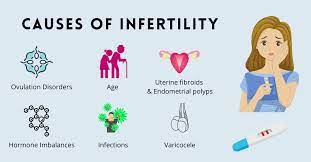
An infertility assessment is essential when couples experience difficulty conceiving after a year of unprotected intercourse. This process identifies underlying causes affecting fertility in both partners.
- Causative Factors: Female factors may include ovulatory disorders while male factors might involve sperm quality issues; age also plays a significant role in fertility prospects for both parties.
- Diverse Testing Methods: Hormonal evaluations, semen analysis, imaging techniques like hysterosalpingography (HSG) help delineate potential barriers to conception effectively.
MENSTRUAL DISORDERS EVALUATION

An evaluation of menstrual disorders involves assessing abnormalities in menstrual cycles such as irregular periods or severe pain. Understanding these conditions is key to managing symptoms effectively.
- Spectrum of Disorders: Conditions like polycystic ovary syndrome (PCOS), endometriosis, or fibroids often manifest through pain or irregularity in menstrual cycles.
- Differential Diagnosis: Patients may undergo pelvic examinations, ultrasound imaging, or hormonal assessments to determine underlying causes accurately.
- Treatment Strategies: Depending on diagnosis severity, options may vary from lifestyle adjustments to medication therapies aimed at symptom relief or hormonal regulation.
A thorough evaluation ensures personalized treatment plans that aim for improved quality of life related to menstrual health concerns.
HIGH-RISK PREGNANCY MANAGEMENT
A high-risk pregnancy is one where the mother or baby has increased chances of complications. Various medical conditions can contribute to this classification, requiring specialized care throughout the pregnancy journey.
- Causes: Factors such as pre-existing health issues (like hypertension), advanced maternal age, or multiple pregnancies elevate risk levels.
- Monitoring: Frequent ultrasounds, fetal monitoring, and additional testing help assess the well-being of both mother and fetus during these pregnancies.
- Treatment Options: Treatment may include medication management or additional interventions tailored to manage specific risks effectively.
- Your Role: Active communication with healthcare providers is vital; attending all scheduled appointments ensures that any changes in health are addressed promptly.
A comprehensive management plan enhances outcomes while providing reassurance during this challenging period of pregnancy.
PRECONCEPTION COUNSELING
This counseling provides essential guidance for couples planning to conceive. It helps identify potential health risks that could affect pregnancy and offers strategies to optimize maternal health before conception.
- Importance: Preconception counseling addresses medical history, lifestyle factors, and family history of genetic disorders.
- Assessment: Patients undergo evaluations including blood tests and screenings for conditions like STDs or diabetes.
- Recommendations: Nutrition advice, lifestyle modifications (such as quitting smoking), and folic acid supplementation are commonly discussed.
- Prenatal Vitamins: Taking prenatal vitamins before conception prepares the body for a healthy pregnancy.
This proactive approach fosters healthier outcomes for both mother and child by ensuring readiness for conception.
GESTATIONAL DIABETES MANAGEMENT
Gestational diabetes is a condition that develops during pregnancy, affecting how your body processes glucose. It typically occurs in the second or third trimester and can pose risks for both mother and baby if left unmanaged.
- Symptoms: Often, gestational diabetes does not present obvious symptoms but may include excessive thirst and frequent urination.
- Diagnosis: Blood tests are used to evaluate blood sugar levels; common tests include the glucose tolerance test around the 24th week of pregnancy.
- Treatment: Management often involves dietary changes, regular physical activity, and monitoring blood glucose levels. In some cases, insulin therapy may be necessary.
- Expectations: With proper management, most women with gestational diabetes can have healthy pregnancies and deliveries. Regular check-ups are crucial to monitor both mother and baby’s health.
Proper care and education about this condition can ensure that you and your child remain healthy throughout your pregnancy journey.