
DR Monika Adholia
About Me
DR Monika Adholia
MBBS
General Physician
Biography
My Clinic
OPD Hours
| Monday | Morning | 10:00 AM | - | 02:00 PM |
| Evening | 06:00 PM | - | 09:00 PM | |
| Tuesday | Morning | 10:00 AM | - | 02:00 PM |
| Evening | 06:00 PM | - | 09:00 PM | |
| Wednesday | Morning | 10:00 AM | - | 02:00 PM |
| Evening | 06:00 PM | - | 09:00 PM | |
| Thursday | Morning | 10:00 AM | - | 02:00 PM |
| Evening | 06:00 PM | - | 09:00 PM | |
| Friday | Morning | 10:00 AM | - | 02:00 PM |
| Evening | 06:00 PM | - | 09:00 PM | |
| Saturday | Morning | 10:00 AM | - | 02:00 PM |
| Evening | 06:00 PM | - | 09:00 PM | |
| Sunday | Morning | 10:00 AM | - | 02:00 PM |
| Evening | 06:00 PM | - | 09:00 PM |
Treatments
Specialised care and treatments offered
URINARY TRACT INFECTION (UTI)
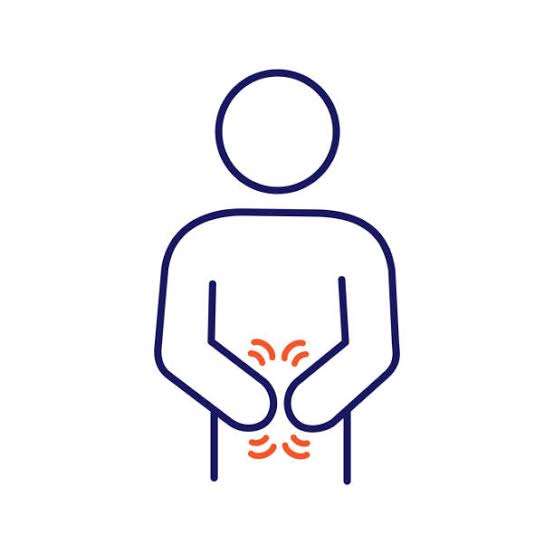
A urinary tract infection is an infection that affects parts of your urinary system—kidneys', bladder','ureters','or urethra. UTIs are more common among women but can affect anyone regardless of gender at any age level'
.SEASONAL ALLERGIES

This refers to an allergic reaction occurring at certain times of the year when specific allergens like pollen are prevalent in the environment. Seasonal allergies primarily affect young adults but can occur at any age level
.GASTROESOPHAGEAL REFLUX DISEASE (GERD)
This digestive disorder occurs when stomach acid flows back into the esophagus leading to discomfort. GERD affects people across various age groups but can particularly impact adults due to dietary habits or obesity-related issues
.ASTHMA
A chronic condition affecting the airways in your lungs causing them to become inflamed and narrow. Asthma can range from mild to severe and requires proper management to control symptoms effectively.
- Symptoms: Common symptoms include wheezing, coughing (especially at night), shortness of breath, and chest tightness during physical activity or exposure to allergens.
- Triggers: Asthma attacks can be triggered by allergens like pollen or pet dander as well as smoke, cold air, exercise, respiratory infections or stress.
- Diagnosis: A healthcare provider may conduct lung function tests along with a thorough patient history to determine asthma presence and severity.
- Treatment: Treatment plans may involve inhalers (both relievers and preventers), medications for inflammation reduction, and avoiding known triggers whenever possible.
- Coping strategies: With appropriate treatment plans tailored by a general physician, individuals with asthma can enjoy active lifestyles without limitations imposed by their condition.
DIABETES MELLITUS
This chronic condition affects how your body processes glucose (sugar). Diabetes can lead to elevated levels of blood sugar in the bloodstream, which over time could cause serious health issues like heart disease or kidney damage.
- Symptoms: Key signs include increased thirst, frequent urination, fatigue, blurred vision, and slow-healing sores.
- Causes: Type 1 diabetes is usually hereditary while Type 2 diabetes is often linked to lifestyle factors such as being overweight or sedentary.
- Diagnosis: Diagnosing diabetes typically involves blood tests that measure glucose levels after fasting or after consuming sugar-rich foods.
- Treatment: Depending on the type of diabetes, management strategies might include insulin therapy for Type 1 or lifestyle changes combined with medications for Type 2 diabetes.
- What to expect: Regular check-ups and monitoring are essential for effective management. With adherence to treatment regimens and lifestyle adjustments, individuals can lead healthy lives.
A comprehensive understanding of diabetes is vital for effective self-management and reducing long-term health risks.
HYPERTENSION
Hypertension, commonly known as high blood pressure, is a condition where the force of the blood against the artery walls is consistently too high. It often develops over many years and can lead to serious health problems if left untreated.
- Symptoms: Many individuals may not experience noticeable symptoms, which is why it's often referred to as a 'silent killer'. However, severe cases might lead to headaches, shortness of breath, or nosebleeds.
- Causes: Factors contributing to hypertension include genetics, lack of physical activity, poor diet (especially high sodium intake), obesity, and excessive alcohol or tobacco use.
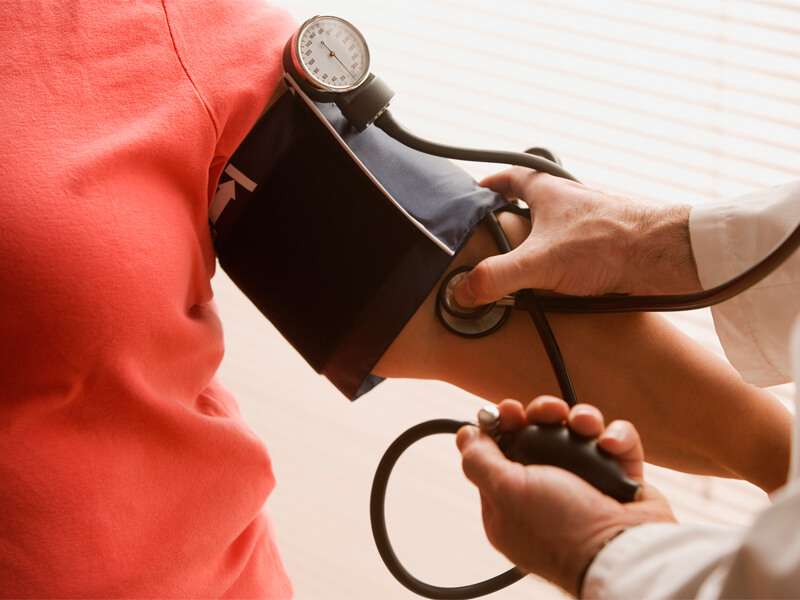
- Diagnosis: Blood pressure readings are taken using a sphygmomanometer. Multiple readings on different occasions are usually required for an accurate diagnosis.
- Treatment: Management may involve lifestyle changes such as regular exercise and a balanced diet low in salt. Medications may also be prescribed depending on severity.
- Expectations: Regular monitoring is crucial; with proper management, most individuals can maintain healthy blood pressure levels and reduce risk of complications.
Staying informed about hypertension and its implications can empower individuals to take proactive steps towards their health.