
DR Moolchandanis
About Me
DR Moolchandanis
MD
Dermatologist
Biography
My Clinic
OPD Hours
| Monday | Morning | 10:00 AM | - | 02:00 PM |
| Evening | 06:00 PM | - | 09:00 PM | |
| Tuesday | Morning | 10:00 AM | - | 02:00 PM |
| Evening | 06:00 PM | - | 09:00 PM | |
| Wednesday | Morning | 10:00 AM | - | 02:00 PM |
| Evening | 06:00 PM | - | 09:00 PM | |
| Thursday | Morning | 10:00 AM | - | 02:00 PM |
| Evening | 06:00 PM | - | 09:00 PM | |
| Friday | Morning | 10:00 AM | - | 02:00 PM |
| Evening | 06:00 PM | - | 09:00 PM | |
| Saturday | Morning | 10:00 AM | - | 02:00 PM |
| Evening | 06:00 PM | - | 09:00 PM | |
| Sunday | Morning | 10:00 AM | - | 02:00 PM |
| Evening | 06:00 PM | - | 09:00 PM |
Treatments
Specialised care and treatments offered
HYPERHIDROSIS TREATMENT
This condition involves excessive sweating beyond what is considered normal. It commonly affects palms of hands feet underarms but might occur anywhere on body causing considerable distress among those experiencing it daily!
- Symptoms incorporate persistent perspiration leading embarrassment social interactions impacting overall quality life negatively!
- Diagnosis entails detailed history physical assessment ruling out associated health problems potentially causing hyperhidrosis nearby glands!
- Commonly employed therapies involve lifestyle modifications antiperspirants botulinum toxin injections aiming reduce sweat production effectively!
- In severe cases surgical intervention might even become necessary although less preferred option evaluated carefully!
With appropriate interventions many individuals gain control over their symptoms restoring confidence comfort levels within different societal environments maximally positively enriching experiences significantly!
MELASMA TREATMENT
This common pigmentation disorder causes dark patches on the face primarily due to hormonal changes or sun exposure. It mostly occurs in women but can affect anyone regardless of gender when exposed to similar triggers.
- The primary symptom is brownish-gray spots arising mainly on the cheeks, forehead, nose, or chin areas; these spots may darken over time if not treated properly!
- A proper detection involves clinical evaluation by a dermatologist who assesses your medical history along with your exposure sources like sun exposure or medications used previously that might contribute to pigmentation changes!
- Available treatments include topical prescription creams containing hydroquinone combined with sunscreens designed specifically for pigmentation issues!
- In some cases laser therapy might also be considered depending on individual evaluations towards achieving satisfactory results after treatment initiation!
With diligent care including ongoing sun protection measures melasma's appearance can be improved significantly alleviating cosmetic concerns while enhancing self-confidence considerably!
SKIN TAGS REMOVAL
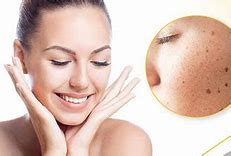
Skin tags are benign growths that commonly appear on areas where skin rubs against skin. While they are harmless, many choose to have them removed for aesthetic reasons or due to discomfort from friction.
- The most common symptoms are small flesh-colored or brown protrusions that do not usually cause pain unless irritated.
- A quick examination allows for easy detection. Dermatologists ensure that growths are indeed skin tags before removal procedures are undertaken.
- Treatment methods include cryotherapy (freezing), snipping with sterile scissors, or electrosurgery which cauterizes tissue post-removal for minimal bleeding.
- The procedure is typically quick with little downtime needed afterward; most patients return to normal activities immediately following removal.
This simple procedure usually resolves any concerns associated with these tiny growths effectively and safely without long-term complications.
ECZEMA (ATOPIC DERMATITIS)
Eczema is an inflammatory skin condition characterized by red, itchy patches. It is common in children but can occur at any age. Eczema flares can be triggered by allergens, stress, or environmental factors.
- The symptoms include intense itching, dryness, redness, and lesions on various body parts such as the hands or behind the knees.
- A thorough medical history combined with an examination allows for accurate diagnosis.
- Treatments often include moisturizers to hydrate the skin along with topical corticosteroids to reduce inflammation during flare-ups.
- Avoiding irritants and following a customized skincare regimen are essential management strategies.
- Persistent care can help control symptoms effectively while preventing future outbreaks of eczema.
Your dermatologist can assist in establishing a targeted approach for optimal symptom relief and skin health maintenance.
PSORIASIS
This chronic autoimmune skin condition leads to the rapid growth of skin cells, resulting in thick patches that can be red and itchy. Psoriasis often appears on elbows, knees, and the scalp but can affect any part of the body.
- Symptoms often include dry patches covered with silvery scales; these areas may crack or bleed.
- The diagnosis usually involves a visual inspection of the skin by a qualified dermatologist.
- Treatment may involve topical treatments like corticosteroids or vitamin D analogs and systemic medications including biologics for severe cases.
- Lifestyle adjustments such as regular moisturizing and avoiding known triggers can help improve symptoms.
- A consistent treatment plan can significantly reduce flare-ups and improve quality of life for patients dealing with this condition.
An understanding of this condition helps in effective management over time.
ACNE VULGARIS
Acne vulgaris is a common skin condition that affects many individuals, especially during adolescence and young adulthood. It manifests as pimples, blackheads, and cysts, resulting from clogged hair follicles and inflammation.
- Symptoms include various lesions such as whiteheads, blackheads, and inflamed pustules.
- Diagnosis is typically made through a physical examination of the skin. In some cases, additional tests may be required to rule out other conditions.
- Treatment options range from topical therapies, like retinoids and benzoyl peroxide, to oral medications such as antibiotics or hormonal treatments.
- Management also includes lifestyle changes such as maintaining a healthy diet and proper skincare routine.
- Patients can expect gradual improvement with appropriate treatment, but persistence is key for optimal results.
If left untreated, acne may lead to scarring or emotional distress; therefore, early intervention is crucial.