
DR Mridula Kulshr
About Me
DR Mridula Kulshr
MS
Orthopaedic Surgeons
10 Years Experience
Biography
My Clinic
OPD Hours
| Monday | Morning | 10:00 AM | - | 02:00 PM |
| Evening | 06:00 PM | - | 09:00 PM | |
| Tuesday | Morning | 10:00 AM | - | 02:00 PM |
| Evening | 06:00 PM | - | 09:00 PM | |
| Wednesday | Morning | 10:00 AM | - | 02:00 PM |
| Evening | 06:00 PM | - | 09:00 PM | |
| Thursday | Morning | 10:00 AM | - | 02:00 PM |
| Evening | 06:00 PM | - | 09:00 PM | |
| Friday | Morning | 10:00 AM | - | 02:00 PM |
| Evening | 06:00 PM | - | 09:00 PM | |
| Saturday | Morning | 10:00 AM | - | 02:00 PM |
| Evening | 06:00 PM | - | 09:00 PM | |
| Sunday | Morning | 10:00 AM | - | 02:00 PM |
| Evening | 06:00 PM | - | 09:00 PM |
Treatments
Specialised care and treatments offered
ROTATOR CUFF INJURY
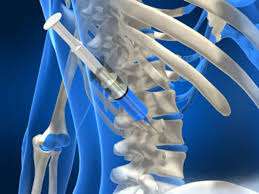
A rotator cuff injury involves damage to the group of muscles and tendons that stabilize the shoulder joint. This condition can arise from acute injuries or chronic degeneration due to aging or repetitive overhead activities among athletes and laborers alike!
- The most prevalent symptom is shoulder pain coupled with weakness during overhead tasks—often exacerbated during movements requiring reaching behind one’s back!
BURSITIS

Bursitis entails inflammation of bursae—small fluid-filled sacs that cushion bones near joints. It often results from repetitive motions or prolonged pressure on specific areas such as shoulders or hips impacting mobility significantly if left untreated.
- Common signs include localized swelling along with tenderness around joints affected by movements like lifting arms or bending legs.
- A clinician will perform a comprehensive physical examination alongside imaging studies like ultrasounds to assess inflammation levels accurately before offering insights into management options available for each unique case situation encountered by patients seeking help!
CARPAL TUNNEL SYNDROME

This syndrome occurs when pressure on the median nerve at the wrist leads to numbness or tingling in fingers. Activities involving repetitive hand movements are common contributors to its development.
- Main symptoms include tingling sensations in fingers or hands at night—often prompting individuals to wake up frequently.
- A physical exam paired with nerve conduction studies can confirm this condition's presence effectively and rule out other issues.
- Treatment options encompass wrist splints during sleep, modifying activities causing strain on hands, along with anti-inflammatory medications for alleviating discomfort. Physical therapy can also be beneficial in certain cases.
Surgical intervention is considered if symptoms persist despite non-surgical efforts. Early diagnosis greatly enhances treatment success rates ensuring minimal disruption in daily activities.
PLANTAR FASCIITIS

This condition results from inflammation of the plantar fascia—the thick band of tissue connecting your heel bone to your toes. It's often associated with heel pain during the first steps in the morning or after prolonged sitting.
- The typical symptoms feature stabbing pain near the heel that can radiate throughout the foot.
- A clinical examination accompanied by patient history usually aids in diagnosing this condition effectively.
- Management includes stretching exercises, orthotic devices for arch support, custom footwear recommendations, and anti-inflammatory medications for relief of discomfort.
- In some cases where conservative treatment does not suffice, options like corticosteroid injections or even surgery may be explored after thorough discussions about risks and benefits.
Early intervention plays a crucial role in resolving plantar fasciitis efficiently without long-term complications affecting mobility.
TENDINITIS

Tendinitis is inflammation of a tendon that can occur due to repetitive motion or overuse. It often affects areas such as the shoulders, elbows, wrists, knees, and ankles.
- Symptoms typically include localized pain near the affected joint that worsens with movement.
- A thorough evaluation along with ultrasound or MRI scans helps in confirming the diagnosis.
- Treatment options generally involve rest, ice application, anti-inflammatory medications, and sometimes physical therapy to regain strength and flexibility in the affected area.
- Corticosteroid injections may be considered for persistent symptoms when conservative measures fail.
- If symptoms do not improve with non-surgical treatments, a surgical consultation might be warranted for potential tendon repair or debridement.
With appropriate management strategies in place, most individuals recover from tendinitis successfully and return to normal activities.
OSTEOARTHRITIS

Osteoarthritis is a degenerative joint disease characterized by the breakdown of cartilage, leading to pain and stiffness. It commonly affects weight-bearing joints such as the knees, hips, and spine.
- Common symptoms include joint pain, swelling, and decreased flexibility.
- The diagnosis typically involves a physical examination and imaging tests like X-rays or MRIs to observe joint changes.
- Treatment options may range from lifestyle modifications, physical therapy, to medications for pain relief. In severe cases, surgical interventions like joint replacement might be necessary.
- Managing osteoarthritis often requires a multidisciplinary approach to improve overall function and quality of life.
- Regular follow-ups are essential to monitor progression and adapt management strategies accordingly.
Understanding osteoarthritis helps patients make informed decisions regarding their care and lifestyle adjustments.