
Dr Mridvesh Kuma
About Me
Dr Mridvesh Kuma
MBBS
General Physician
10 Years Experience
Biography
My Clinic
OPD Hours
| Monday | Morning | 10:00 AM | - | 02:00 PM |
| Evening | 06:00 PM | - | 09:00 PM | |
| Tuesday | Morning | 10:00 AM | - | 02:00 PM |
| Evening | 06:00 PM | - | 09:00 PM | |
| Wednesday | Morning | 10:00 AM | - | 02:00 PM |
| Evening | 06:00 PM | - | 09:00 PM | |
| Thursday | Morning | 10:00 AM | - | 02:00 PM |
| Evening | 06:00 PM | - | 09:00 PM | |
| Friday | Morning | 10:00 AM | - | 02:00 PM |
| Evening | 06:00 PM | - | 09:00 PM | |
| Saturday | Morning | 10:00 AM | - | 02:00 PM |
| Evening | 06:00 PM | - | 09:00 PM | |
| Sunday | Morning | 10:00 AM | - | 02:00 PM |
| Evening | 06:00 PM | - | 09:00 PM |
Treatments
Specialised care and treatments offered
SEASONAL ALLERGIC RHINITIS CARE
This condition manifests as an allergic reaction causing nasal congestion during particular seasons when pollen counts rise. Managing symptoms improves comfort considerably during flare-ups.
- Symptoms & Triggers: Sneezing fits , runny nose , itchy eyes commonly appear during spring/summer due to airborne allergens .
- Diagnosis: Largely clinical based on history ; allergy skin testing may identify specific allergens if needed .
- Treatment: Involves antihistamines , nasal corticosteroids sprays lowering inflammation , avoidance strategies reducing contact with triggers .
- Patient Guidance: Awareness about peak pollen times aids preventive measures plus proper medication adherence minimizes disruptive effects .
With consistent management seasonal allergic rhinitis generally has good control allowing patients normal activities unhindered by allergy symptoms.
ANEMIA EVALUATION AND MANAGEMENT

Anemia results from a deficiency in red blood cells or hemoglobin impacting oxygen delivery throughout the body. Identifying causes early prevents complications including fatigue-related impairments.
- Causal Factors & Signs:If iron deficient due to poor diet or chronic blood loss; symptoms often feature weakness, pallor, rapid heartbeat on exertion.
- Differential Diagnosis Tools:Blood tests measure hemoglobin concentration alongside indices indicating specific anemia types such as iron-deficiency or vitamin B12 deficiency anemia.
- Treatment Methods:This varies by cause - iron supplements or dietary adjustments address nutritional deficits while managing underlying diseases as needed impacts correction success rates positively;
CHRONIC OBSTRUCTIVE PULMONARY DISEASE (COPD) MONITORING

A progressive lung disease that makes breathing difficult due to airway inflammation and obstruction. Early detection coupled with ongoing care is crucial for symptom control.
- Main Causes & Symptoms: Long-term exposure to irritants like tobacco smoke leads to coughing, wheezing, shortness of breath especially on exertion.
- How It Is Diagnosed: Spirometry testing evaluates lung function confirming airflow limitation characteristic of COPD.
- Treatment Modalities: Includes bronchodilators inhalers for airway relaxation, pulmonary rehabilitation exercises, smoking cessation support essential for slowing progression.
- Lifestyle Considerations & Follow-up:The condition requires regular check-ups monitoring exacerbations frequency with adjustments in therapy accordingly.
An informed patient partnership greatly enhances daily functioning despite this chronic illness's challenges.
ACUTE UPPER RESPIRATORY TRACT INFECTION MANAGEMENT
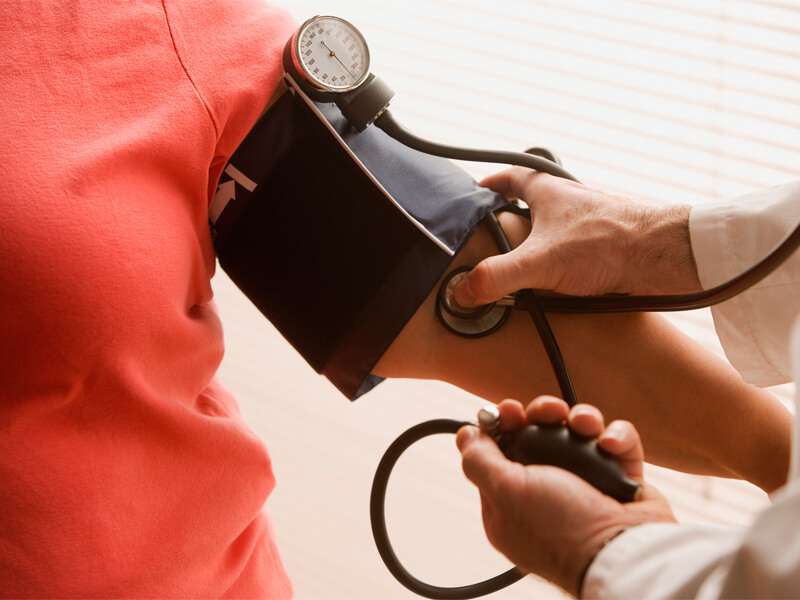
A common illness affecting the nose, throat, and airways caused mostly by viruses. While usually self-limiting, symptoms can disrupt daily activities and require supportive care.
- Symptoms & Causes: Includes cough, sore throat, nasal congestion; primarily viral origin but occasionally bacterial infection necessitating antibiotics.
- Diagnosis Details: Mainly clinical evaluation focusing on symptom pattern and duration; laboratory tests rarely needed unless complications suspected.
- Treatment Strategies: Symptomatic relief using analgesics/antipyretics, hydration support, rest; antibiotics reserved for confirmed bacterial cases only.
- Prognosis: Most cases resolve within 7-10 days without sequelae; persistent or severe symptoms warrant further medical assessment.
Caring for such infections involves recognizing warning signs that prompt timely intervention while minimizing unnecessary medication use.
TYPE 2 DIABETES MELLITUS CARE

This chronic disorder affects the way your body processes blood sugar (glucose), leading to elevated levels that can cause damage over time. Early recognition is key to preventing complications.
- Symptoms & Causes: Often develops due to insulin resistance linked with obesity, inactivity, family history; symptoms include increased thirst, frequent urination, fatigue.
- Diagnostic Criteria: Blood tests such as fasting glucose or HbA1c provide confirmation after initial clinical suspicion.
- Treatment Approaches: Emphasizes diet control, regular physical activity, weight management, oral hypoglycemic agents or insulin therapy when necessary.
- Patient Expectations: Regular monitoring of sugar levels at home helps guide therapy adjustments; early treatment reduces risk for neuropathy and cardiovascular disease.
Lifelong adherence to treatment plans supports optimal quality of life for individuals living with type 2 diabetes.
HYPERTENSION MANAGEMENT
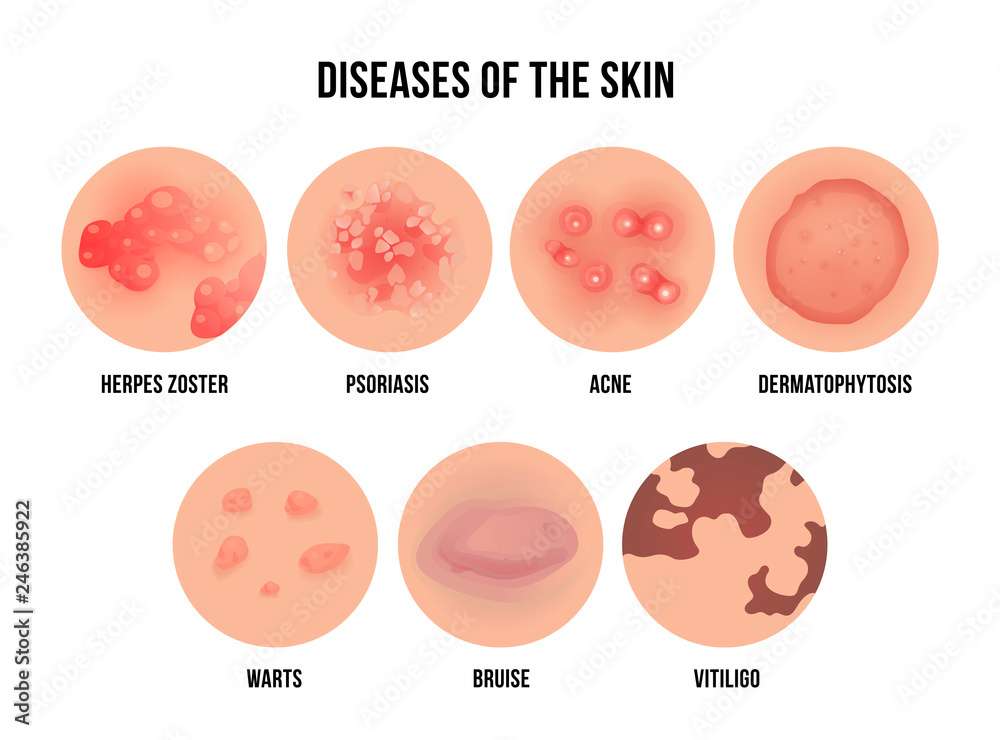
High blood pressure, or hypertension, is a common condition that can lead to serious health complications if left untreated. It often develops gradually and may not cause noticeable symptoms initially.
- Causes and Symptoms: Factors include genetics, diet high in salt, obesity, stress, and lack of exercise; symptoms are often absent but can include headaches or dizziness in severe cases.
- Diagnosis: Confirmed through regular blood pressure measurements over multiple visits to detect consistent elevation above normal levels.
- Treatment Options: Lifestyle modifications such as diet and exercise, along with medications like ACE inhibitors or beta-blockers tailored to patient needs.
- Monitoring: Ongoing tracking of blood pressure at home and periodic check-ups help assess treatment effectiveness and adjust therapy.
Effective management can significantly reduce risks of heart attack and stroke, improving long-term health outcomes.