
Dr Mrinal Joshi
About Me
Dr Mrinal Joshi
MD
Internal Medicine
Biography
My Clinic
OPD Hours
| Monday | Morning | 10:00 AM | - | 02:00 PM |
| Evening | 06:00 PM | - | 09:00 PM | |
| Tuesday | Morning | 10:00 AM | - | 02:00 PM |
| Evening | 06:00 PM | - | 09:00 PM | |
| Wednesday | Morning | 10:00 AM | - | 02:00 PM |
| Evening | 06:00 PM | - | 09:00 PM | |
| Thursday | Morning | 10:00 AM | - | 02:00 PM |
| Evening | 06:00 PM | - | 09:00 PM | |
| Friday | Morning | 10:00 AM | - | 02:00 PM |
| Evening | 06:00 PM | - | 09:00 PM | |
| Saturday | Morning | 10:00 AM | - | 02:00 PM |
| Evening | 06:00 PM | - | 09:00 PM | |
| Sunday | Morning | 10:00 AM | - | 02:00 PM |
| Evening | 06:00 PM | - | 09:00 PM |
Treatments
Specialised care and treatments offered
CHRONIC OBSTRUCTIVE PULMONARY DISEASE (COPD)
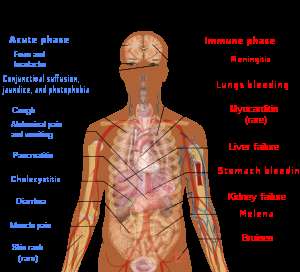
COPD is a progressive lung disease that makes it difficult to breathe due to blocked airflow. This condition requires ongoing care for effective management over time.
- Symptoms usually involve ongoing coughs producing mucus plus increasing shortness of breath – particularly noticeable during physical activities. Smoking remains one major cause leading up potentially exacerbating episodes generally affecting older adults more commonly than younger populations!
- Diagnosis often entails pulmonary function tests alongside imaging studies confirming any emphysema present within lungs observed via X-rays/CT scans assessing structural changes prompting airflow limitation respectively .
- Management consists primarily towards smoking cessation efforts combined with bronchodilators promoting wider air passageways ; corticosteroids might also assist reducing inflammation - supplemental oxygen necessary sometimes depending patient needs identified.
- Regular follow-ups become paramount evaluating effectiveness these treatments intending improving quality life even reducing hospitalizations amid flare-ups experienced occasionally throughout journey towards better overall wellness approaching targeted goals agreed upon collaboratively amongst team involved!
Living well despite having COPD possible engaging multidisciplinary approaches ensuring comprehensive support available ways manage each individual case effectively from start finish whatever challenges arise facing day-to-day basis!
ASTHMA
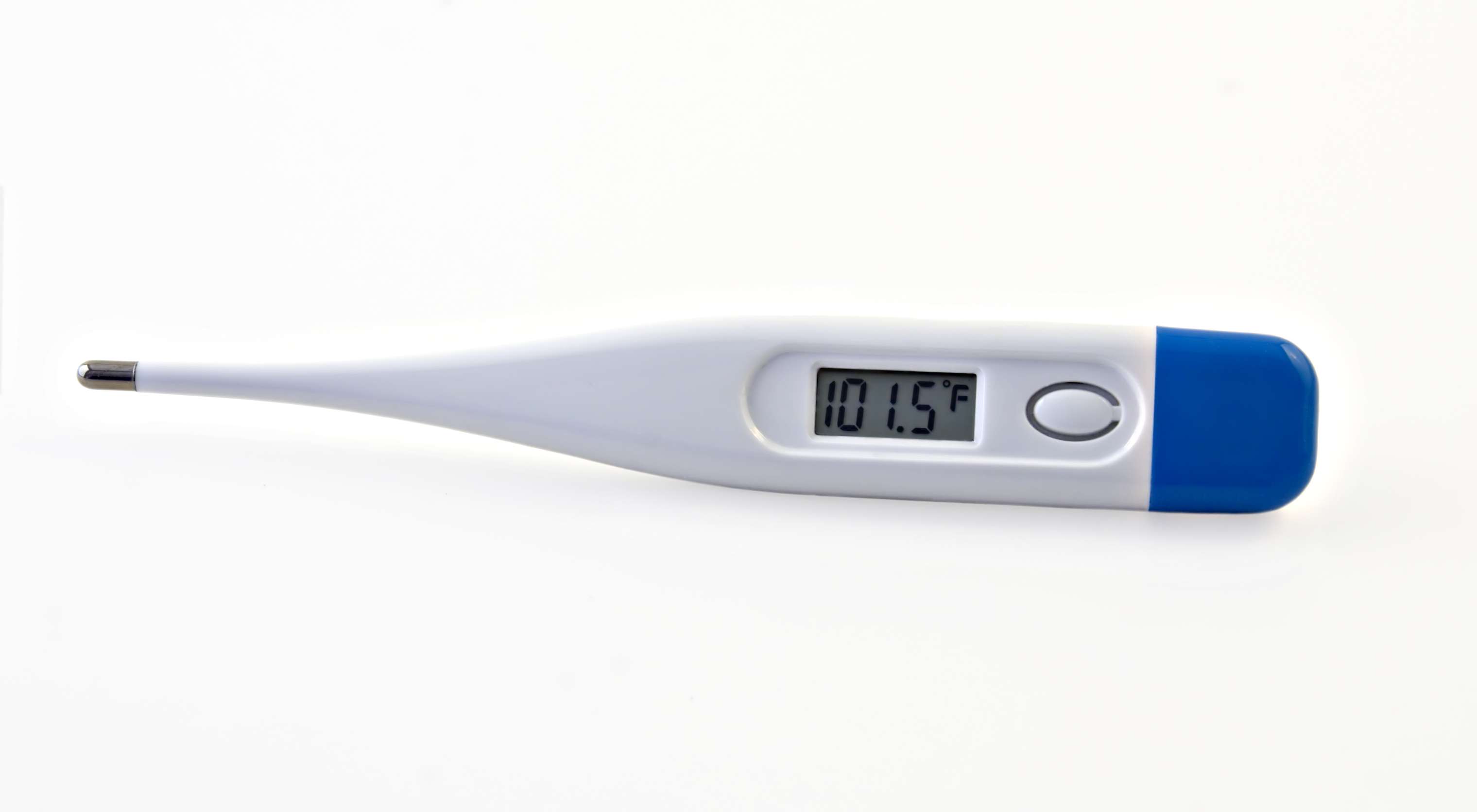
A chronic respiratory condition characterized by airway inflammation leading to difficulty breathing is known as asthma. Understanding asthma management is vital for maintaining overall lung health.
- The main symptoms include wheezing, coughing (especially at night), shortness of breath, and chest tightness; triggers often vary among patients including allergens or physical activity.
- A comprehensive evaluation by a healthcare provider typically involves lung function tests such as spirometry alongside reviewing medical history regarding symptoms frequency and triggers encountered by patients.
- Treatment strategies often encompass inhalers for quick relief during asthma attacks along with long-term control medications; education on avoiding triggers plays a crucial role in asthma management too!
- Regular follow-up appointments are critical for adjusting treatment plans if needed based on symptom control assessments conducted periodically during visits
GASTROESOPHAGEAL REFLUX DISEASE (GERD)
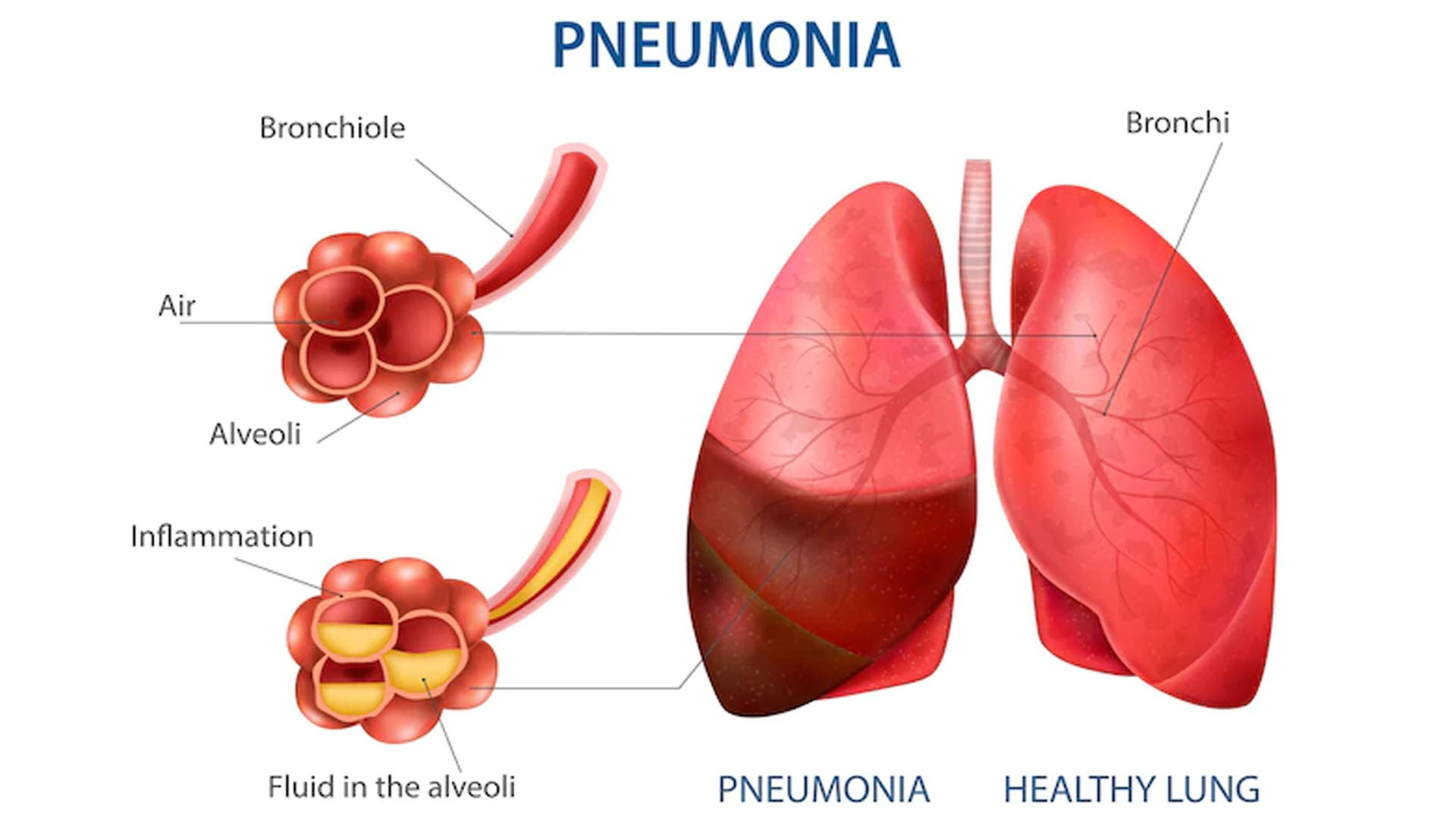
Gastroesophageal reflux disease (GERD) occurs when stomach acid frequently flows back into the esophagus. This chronic condition can lead to discomfort and various complications if untreated.
- Common symptoms include heartburn, regurgitation of food or sour liquid, difficulty swallowing, and chronic cough. Certain foods might worsen these symptoms by relaxing the lower esophageal sphincter.
- The diagnosis typically involves a medical history review followed by tests such as endoscopy or pH monitoring to assess acid levels in the esophagus accurately.
- Treatment may consist of lifestyle modifications like avoiding trigger foods and eating smaller meals; medications such as proton pump inhibitors can help reduce stomach acid production effectively.
- An individualized management plan should be discussed with healthcare providers to tailor treatment based on symptom severity and patient preference.
Managing GERD is essential not only for relief but also for preventing potential damage to the esophagus over time due to prolonged acid exposure.
HYPERLIPIDEMIA
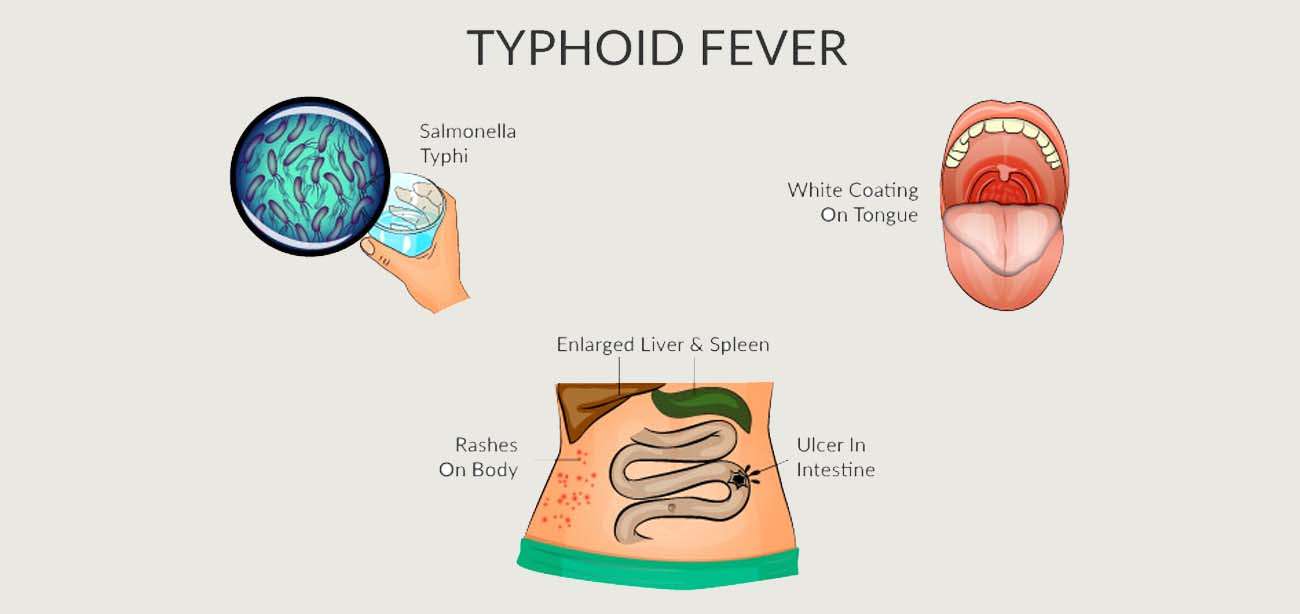
Hyperlipidemia refers to elevated levels of lipids (fats) in the bloodstream, which can increase the risk of cardiovascular diseases. It’s an important condition to recognize early on in individuals' health journeys.
- This condition is often asymptomatic but may present with symptoms related to heart disease like chest pain. Risk factors include obesity, poor diet, lack of physical activity, and genetics.
- A lipid panel test measures cholesterol levels including LDL (bad cholesterol) and HDL (good cholesterol), providing insight into cardiovascular risk.
- Treatment options involve lifestyle modifications like adopting a heart-healthy diet low in saturated fats and trans fats along with exercise; medications such as statins may also be prescribed when necessary.
- Regular follow-ups are essential for monitoring lipid levels and adjusting treatment plans accordingly based on individual responses.
By addressing hyperlipidemia proactively, patients can greatly improve their overall cardiovascular health long-term.
DIABETES MELLITUS
Diabetes mellitus is a chronic condition that affects how your body processes sugar (glucose). It can lead to serious health complications if not properly managed.
- The main types are Type 1 diabetes, where the body does not produce insulin, and Type 2 diabetes, which involves insulin resistance; symptoms include increased thirst, frequent urination, and fatigue.
- A diagnosis is confirmed through blood tests like fasting glucose levels or HbA1c testing to assess average blood sugar over the past few months.
- Treatment often includes lifestyle modifications such as dietary changes, regular exercise, and possibly medication or insulin therapy for better blood sugar control.
- Ongoing monitoring of glucose levels and regular check-ups with healthcare providers are crucial for managing this condition effectively.
With effective management strategies in place, individuals can significantly reduce their risk of complications associated with diabetes mellitus.
HYPERTENSION
Hypertension, or high blood pressure, is a common condition that can lead to serious health issues if left unmanaged. It often develops over many years and can affect anyone.
- Symptoms may include headaches, shortness of breath, and nosebleeds, though many people may not experience symptoms until blood pressure becomes dangerously high.
- Diagnosis typically involves measuring blood pressure using a sphygmomanometer during a routine check-up or at home with a monitor.
- Management options range from lifestyle changes such as diet and exercise to medications like diuretics or ACE inhibitors that help lower blood pressure.
- Regular monitoring and follow-up appointments are essential to ensure blood pressure remains within an appropriate range.
With proper management, individuals with hypertension can lead healthy lives while reducing the risk of complications such as heart disease or stroke.