
Dr Mrs D A Tapia
About Me
Dr Mrs D A Tapia
General Physician
Biography
My Clinic
OPD Hours
| Tuesday | Morning | 10:00 AM | - | 02:00 PM |
| Evening | 06:00 PM | - | 09:00 PM | |
| Wednesday | Morning | 10:00 AM | - | 02:00 PM |
| Evening | 06:00 PM | - | 09:00 PM | |
| Thursday | Morning | 10:00 AM | - | 02:00 PM |
| Evening | 06:00 PM | - | 09:00 PM | |
| Friday | Morning | 10:00 AM | - | 02:00 PM |
| Evening | 06:00 PM | - | 09:00 PM | |
| Saturday | Morning | 10:00 AM | - | 02:00 PM |
| Evening | 06:00 PM | - | 09:00 PM | |
| Sunday | Morning | 10:00 AM | - | 02:00 PM |
| Evening | 06:00 PM | - | 09:00 PM | |
| Thursday | Morning | 10:00 AM | - | 02:00 PM |
| Evening | 06:00 PM | - | 09:00 PM |
Treatments
Specialised care and treatments offered
GASTROESOPHAGEAL REFLUX DISEASE (GERD)
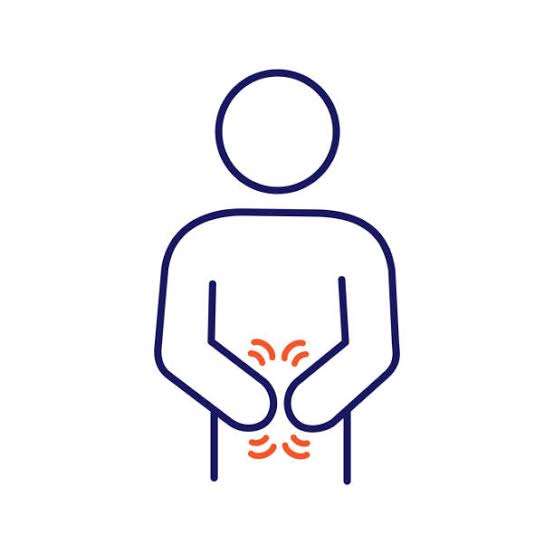
This chronic digestive problem occurs when stomach acid frequently flows back into the esophagus causing irritation—that defines Gastroesophageal reflux disease (GERD). Timely intervention can alleviate symptoms significantly enhancing quality-of-life parameters moving forward!
- S ymptoms :C ommon manifestations involve persistent heartburn chest pain regurgitation sensation matters exacerbated over time calling medical attention quickly desirable too . ( Li )C auses :P henomena arising primarily originate possibly from relaxed lower esophageal sphincter excess stomach acid production leading symptoms emerging more pronounced during nighttime periods overall discomfort experienced historically linked these conditions thus requiring assessment ( Li )D iagnosis :A combination method expanding upon endoscopy imaging techniques guided following history evaluation done professionally determines GRD's presence accurately .( LI)T reatment options:Lifestyle indicators indicate approaches modifying diet enhancing sitting postures while medications targeted reducing acidity effectively deployed—surgical procedures serve last resort option ideally reserved hence planning appropriately takes precedence throughout process! ( LI)w hat t o e xpect : P roper management minimizes flares enabling improved adherence enhancement eventually leads happy outcomes steering paths healthier futures linking connections concretely beyond personal scopes transferring real positives achievable via great insights learned feel nurtured reassurance cultivated giving hope continually thriving journeys lie ahead forward every step taken truly matters !( UL )
THYROID DISORDERS

A thyroid disorder occurs when the thyroid gland fails to produce adequate hormones affecting metabolic processes throughout the body. Early detection leads to timely interventions improving patient outcomes significantly.
- Symptoms: Common symptoms vary by type but may include unexplained weight changes fatigue mood swings among others needing attention from healthcare professionals.
- Causes: Genetic factors autoimmune diseases iodine deficiency environmental influences might lead toward disruption within normal functioning of this gland.
- Diagnosis: Blood tests measuring TSH (Thyroid Stimulating Hormone) alongside free T4 level assessments determine underlying issues providing necessary insight into overall bodily functions related specifically here.
- Treatment options: Depending upon specific diagnosis medication therapies could entail hormone replacement treatments helping restore balance coupled sometimes letting lifestyle adjustments assist too helping maintain health better overall long term basis .
ASTHMA MANAGEMENT
Asthma is a chronic respiratory condition characterized by inflamed airways leading to difficulty in breathing. Proper management helps control symptoms and improve quality of life.
- Symptoms: Commonly reported symptoms include shortness of breath, wheezing, coughing especially at night or early morning.
- Causes: Triggers vary per individual but may include allergens like pollen or dust mites as well as irritants such as smoke.
- Diagnosis: Health professionals typically conduct lung function tests along with patient history assessments for accurate diagnosing of asthma.
- Treatment options: Management plans often involve avoiding triggers along with the use of bronchodilators or inhaled corticosteroids prescribed according to severity levels.
- What to expect: With effective treatment protocols in place patients can achieve better control over their symptoms ensuring minimal disruption in daily activities.
Collaborating closely with healthcare providers encourages successful asthma management strategies tailored specifically for individual patients.
CHOLESTEROL MANAGEMENT
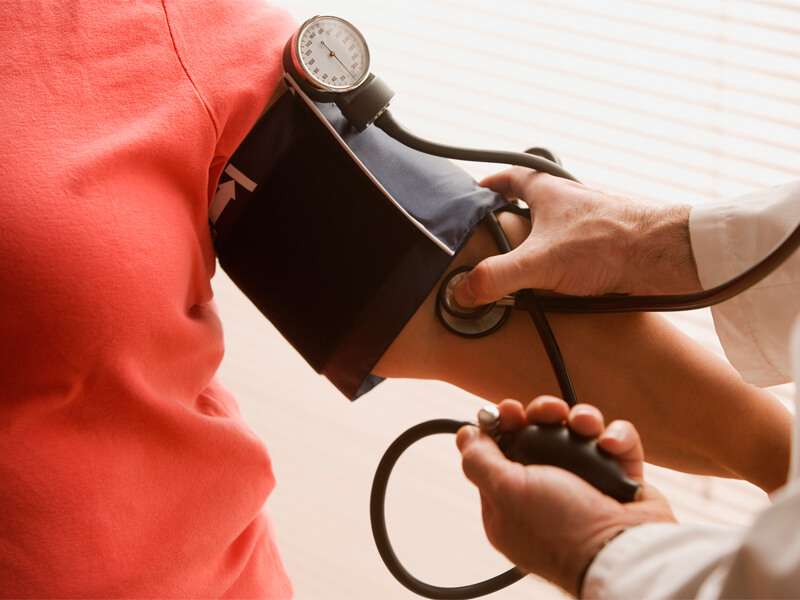
Elevated cholesterol levels pose a risk for heart disease and other cardiovascular problems. Understanding how cholesterol affects your body is vital for maintaining overall health.
- Symptoms: High cholesterol usually has no direct symptoms; however, it increases the risk of serious conditions such as heart attacks or strokes over time.
- Causes: Diets high in saturated fats and trans fats combined with physical inactivity contribute significantly to elevated cholesterol levels.
- Diagnosis: A lipid panel blood test is performed to assess total cholesterol levels along with LDL (bad), HDL (good), and triglycerides.
- Treatment options: Lifestyle changes such as improving dietary habits, increasing physical activity, and weight loss are key strategies; medications might be prescribed if necessary.
- What to expect:The impact of changes made will be monitored through follow-up tests allowing for adjustments in treatment as needed.
A comprehensive approach towards managing cholesterol can enhance cardiovascular health significantly over time.
DIABETES MANAGEMENT

Diabetes is a chronic condition characterized by high blood sugar levels due to insulin resistance or insufficient insulin production. Effective management is crucial to prevent complications associated with this disease.
- Symptoms: Common signs include increased thirst, frequent urination, extreme fatigue, and blurred vision.
- Causes: Factors such as genetics, poor diet, lack of physical activity, and obesity can increase the risk of developing diabetes.
- Diagnosis: Blood tests including fasting glucose levels and HbA1c tests are used to diagnose diabetes accurately.
- Treatment options: Management often involves lifestyle changes like adopting a balanced diet and exercising regularly. Medications or insulin therapy may be required depending on the type of diabetes.
- What to expect: With ongoing care and adherence to treatment plans, individuals can manage their condition effectively and maintain a good quality of life.
A proactive approach towards diabetes management can lead to significant improvements in health outcomes.
HYPERTENSION
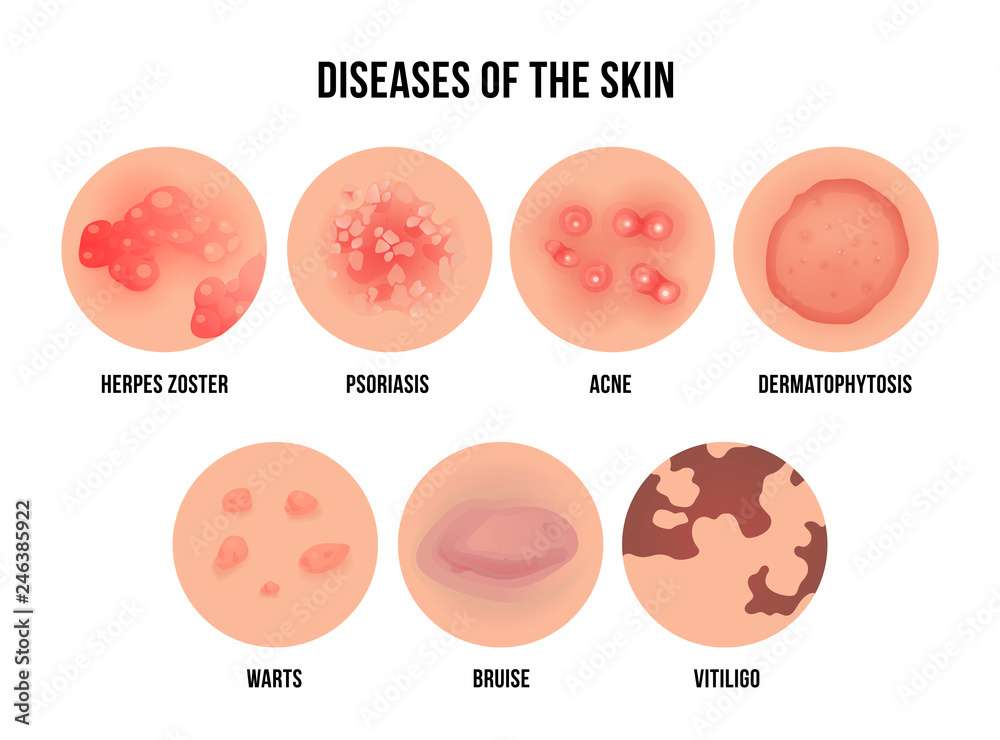
Hypertension, or high blood pressure, is a common yet serious medical condition that can lead to complications if not managed effectively. Regular monitoring and lifestyle adjustments are crucial for maintaining healthy blood pressure levels.
- Symptoms: Many individuals may not experience noticeable symptoms, but some may suffer from headaches, shortness of breath, or nosebleeds.
- Causes: Factors such as obesity, lack of physical activity, excessive salt intake, and stress can contribute to the development of hypertension.
- Diagnosis: Blood pressure is typically measured using a sphygmomanometer during routine check-ups. Additional tests may be conducted to identify underlying causes.
- Treatment options: Lifestyle changes including diet modifications, regular exercise, and stress management are often recommended. Medications may also be prescribed based on individual needs.
- What to expect: With proper management, individuals can lead normal lives while minimizing the risks associated with hypertension.
Understanding and managing blood pressure effectively is essential for long-term health and wellness.