
Dr Mrs Nanda R Kumar
About Me
Dr Mrs Nanda R Kumar
General Physician
Biography
My Clinic
OPD Hours
| Tuesday | Morning | 10:00 AM | - | 02:00 PM |
| Evening | 06:00 PM | - | 09:00 PM | |
| Wednesday | Morning | 10:00 AM | - | 02:00 PM |
| Evening | 06:00 PM | - | 09:00 PM | |
| Thursday | Morning | 10:00 AM | - | 02:00 PM |
| Evening | 06:00 PM | - | 09:00 PM | |
| Friday | Morning | 10:00 AM | - | 02:00 PM |
| Evening | 06:00 PM | - | 09:00 PM | |
| Saturday | Morning | 10:00 AM | - | 02:00 PM |
| Evening | 06:00 PM | - | 09:00 PM | |
| Sunday | Morning | 10:00 AM | - | 02:00 PM |
| Evening | 06:00 PM | - | 09:00 PM | |
| Thursday | Morning | 10:00 AM | - | 02:00 PM |
| Evening | 06:00 PM | - | 09:00 PM |
Treatments
Specialised care and treatments offered
GASTROESOPHAGEAL REFLUX DISEASE (GERD)
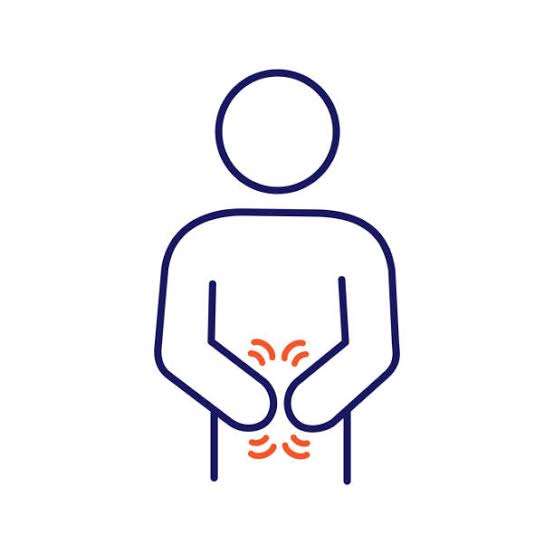
This chronic digestive disorder occurs when stomach acid frequently flows back into the esophagus. GERD leads to uncomfortable symptoms impacting daily life negatively if persistent without appropriate management undertaken duly diligently long term here!
THYROID DISORDERS

The thyroid gland plays a crucial role in regulating metabolism through hormone production. Disorders related to this gland can result in either excessive hormone release (hyperthyroidism) or insufficient hormone production (hypothyroidism).
- The symptoms vary greatly: hyperthyroidism may lead to anxiety and weight loss while hypothyroidism might cause fatigue and weight gain among others respectively depending on hormonal imbalance severity.
- Causal factors include autoimmune conditions like Graves' disease for hyperthyroidism or Hashimoto’s thyroiditis for hypothyroidism affecting gland function adversely over time directly impacting overall metabolic health broadly speaking.
Addressing thyroid disorders timely ensures achieving improved metabolic rate optimizing daily functioning thus contributing positively towards enhancing one’s general wellbeing significantly !
ANEMIA

Anemia is defined by a deficiency in red blood cells or hemoglobin. This condition reduces oxygen flow throughout the body causing various symptoms that could impact daily activities significantly if not addressed promptly.
- The most common symptoms include fatigue, weakness, pale skin, dizziness, or shortness of breath with exertion.
- Anemia can arise due to nutritional deficiencies (such as iron-deficiency), chronic diseases, genetic disorders or even certain medications affecting red blood cell production.
- A healthcare provider typically diagnoses anemia through complete blood counts (CBC) that evaluate red blood cell levels among other parameters in your blood sample.
- Treatment varies based on the underlying cause but generally includes dietary changes focusing on iron-rich foods along with supplements when indicated; more severe cases may require medical interventions like transfusions or injectable therapies.
Catching anemia early ensures effective treatment outcomes fostering better energy levels and overall well-being again!
HYPERLIPIDEMIA
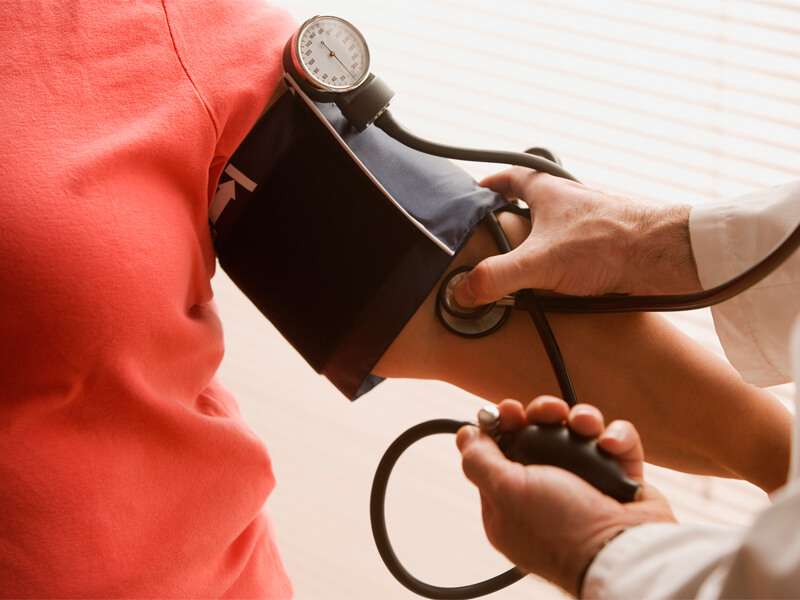
Hyperlipidemia is characterized by elevated levels of lipids (fats) in the bloodstream. It often remains asymptomatic yet poses significant risks such as heart disease or stroke if not managed properly.
- This condition may result from poor diet, sedentary lifestyle, genetic predisposition, or other underlying health issues.
- The common symptoms, while usually absent, may sometimes manifest as xanthomas (fatty deposits) under the skin in severe cases.
- A healthcare provider will typically use blood tests to diagnose lipid levels effectively during routine check-ups or for specific concerns.
- Treatment options involve dietary interventions, physical activity enhancement, and lipid-lowering medications if lifestyle changes are insufficient alone.
- The goal of management is to reduce overall cardiovascular risk by achieving target lipid levels through consistent monitoring and adjustments in therapy as needed.
An informed approach towards hyperlipidemia significantly contributes to better cardiovascular health outcomes over time.
DIABETES MELLITUS

Diabetes Mellitus refers to a group of diseases that affect insulin production or its effect on the body. It leads to elevated blood sugar levels which can cause severe health issues if left unattended.
- Symptoms commonly include excessive thirst, frequent urination, fatigue, and blurred vision.
- This condition can be classified into type 1, type 2, and gestational diabetes based on onset and underlying causes.
- The diagnosis typically includes fasting blood sugar tests or HbA1c testing for long-term glucose control assessment.
- Treatment revolves around lifestyle changes such as diet modification and exercise; however, medications or insulin therapy might be required for better management.
- Regular monitoring allows adjustment of treatment plans for maintaining optimal health over time.
Understanding diabetes is essential in preventing complications like nephropathy and neuropathy through diligent management strategies.
HYPERTENSION
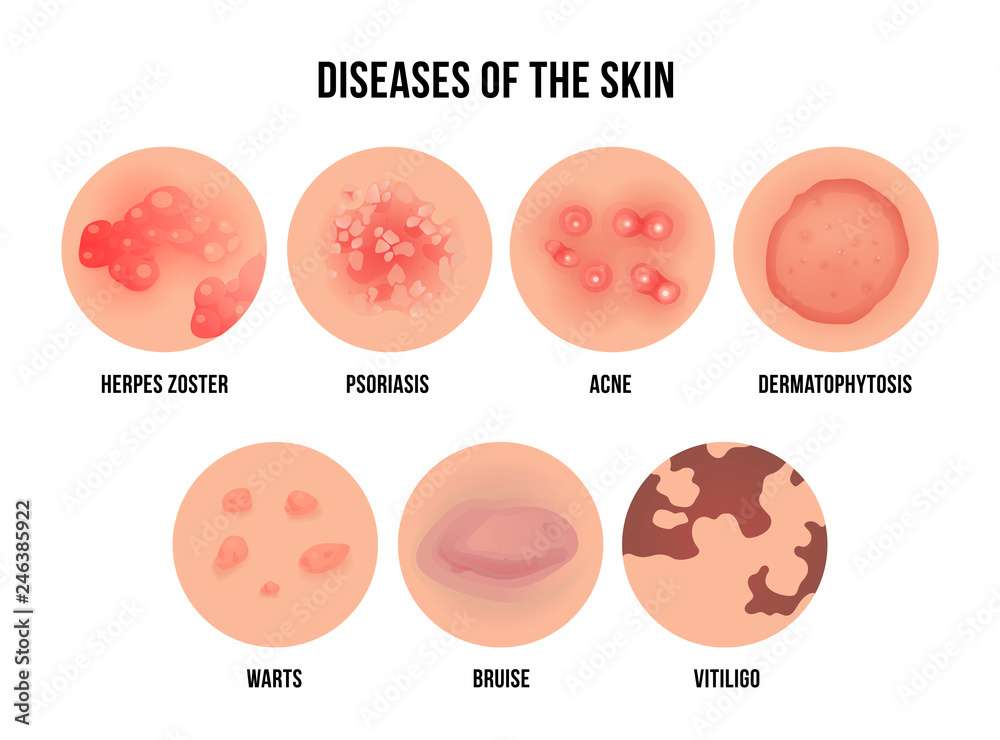
Hypertension, often termed high blood pressure, is a condition that affects millions of individuals worldwide. It occurs when the force of the blood against the artery walls is too high, which can lead to serious health complications.
- Symptoms are often absent, but may include headaches, shortness of breath, or nosebleeds.
- Causes can range from genetics and poor diet to lack of physical activity and stress.
- Diagnosis typically involves regular blood pressure readings and may require additional tests to assess heart health.
- Treatment options include lifestyle modifications like diet changes and exercise, along with medications when necessary.
- Management is crucial as it helps in preventing effects on organs such as the heart and kidneys.
A proactive approach to managing hypertension can significantly enhance your quality of life and reduce risks associated with cardiovascular diseases.