
Dr Mukesh Choudh
About Me
Dr Mukesh Choudh
MD
Oncologist
10 Years Experience
Biography
My Clinic
OPD Hours
| Monday | Morning | 10:00 AM | - | 02:00 PM |
| Evening | 06:00 PM | - | 09:00 PM | |
| Tuesday | Morning | 10:00 AM | - | 02:00 PM |
| Evening | 06:00 PM | - | 09:00 PM | |
| Wednesday | Morning | 10:00 AM | - | 02:00 PM |
| Evening | 06:00 PM | - | 09:00 PM | |
| Thursday | Morning | 10:00 AM | - | 02:00 PM |
| Evening | 06:00 PM | - | 09:00 PM | |
| Friday | Morning | 10:00 AM | - | 02:00 PM |
| Evening | 06:00 PM | - | 09:00 PM | |
| Saturday | Morning | 10:00 AM | - | 02:00 PM |
| Evening | 06:00 PM | - | 09:00 PM | |
| Sunday | Morning | 10:00 AM | - | 02:00 PM |
| Evening | 06:00 PM | - | 09:00 PM |
Treatments
Specialised care and treatments offered
BONE MARROW TRANSPLANT
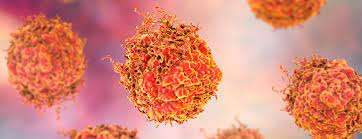
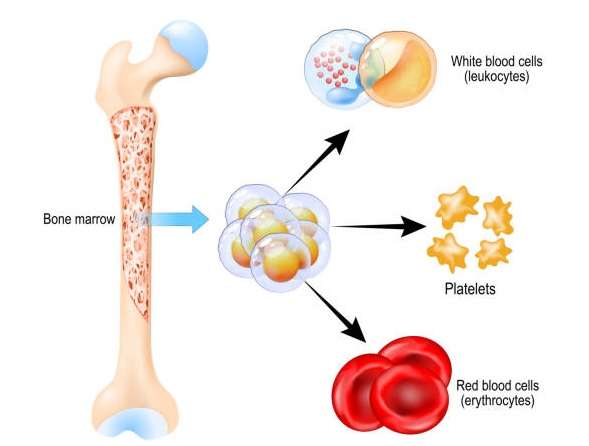
A bone marrow transplant is a complex procedure aimed at replacing damaged or destroyed bone marrow with healthy stem cells from a donor or patient's own body. It's critical in treating certain blood cancers like leukemia and lymphoma.
- Symptoms: Prior indications may involve severe anemia symptoms including fatigue & bruising alongside recurrent infections due weakened immune response prior therapy initiation.
- Diagnosis: Blood tests along with bone marrow aspiration confirm whether it’s possible/necessary prefacing transplant scenarios based upon individual pathology considerations outlined by oncologists evaluating type-severity-previous treatments received prior relative metrics displayed upon assessments made!
- Treatment options: Procedures involve conditioning phases involving chemotherapy/radiation followed by injecting healthy stem cell infusions into bloodstream whereby new stem cells settle within marrows restoring hematopoiesis (blood formation).
This ground-breaking intervention significantly impacts survival rates among patients where standard therapeutic measures have fallen short!
PALLIATIVE CARE
Palliative care focuses on providing relief from symptoms of serious illnesses—including advanced cancers—improving overall quality of life rather than striving for cure alone.
- Symptoms: Patients often face challenges such as pain management, emotional distress, and support needs impacting daily living activities.
- Diagnosis: Initiating palliative care involves an interdisciplinary assessment addressing physical, psychological, social & spiritual dimensions affecting patient health.
- Treatment options: Interventions range from effective pain management strategies (like medications) to counseling services tailored around coping mechanisms suited for different age groups & contexts.
The essence lies in comprehensive support—making tough journeys smoother through symptom alleviation & emotional resilience building!
TARGETED THERAPY

This medical treatment focuses on specific molecular targets associated with cancer. Targeted therapies are designed to interfere with pathways that promote cell growth in tumors.
- Symptoms: Common side effects could involve rash, diarrhea, or liver function changes due to targeted agents' interaction with biological processes.
- Diagnosis: Genetic testing on tumor samples helps ascertain which specific mutations are present before commencing treatment.
- Treatment options: This includes small-molecule drugs that directly affect the pathways producing malignancy or monoclonal antibodies aimed at particular proteins on cancer cells.
The precision nature of this therapy means it can often lead to fewer side effects compared to traditional chemotherapy while maintaining efficacy against aggressive cancers!
IMMUNOTHERAPY
Immunotherapy harnesses the body's immune system to combat cancer by recognizing and destroying malignant cells. It represents a cutting-edge approach in oncology treatment plans.
- Symptoms: Side effects can vary widely but may include flu-like symptoms such as fever or chills post-treatment.
- Diagnosis: Specific tests help identify whether a patient's cancer will respond well to immunotherapy based on biomarkers found in their tumors.
- Treatment options: Types of immunotherapy include checkpoint inhibitors, CAR T-cell therapy, and monoclonal antibodies tailored for individual patient needs.
- What to expect: While some patients achieve long-term remission, responses can vary; regular follow-up visits are essential for monitoring effectiveness.
This innovative technique offers hope for those who may not succeed with conventional therapies alone!
RADIATION THERAPY
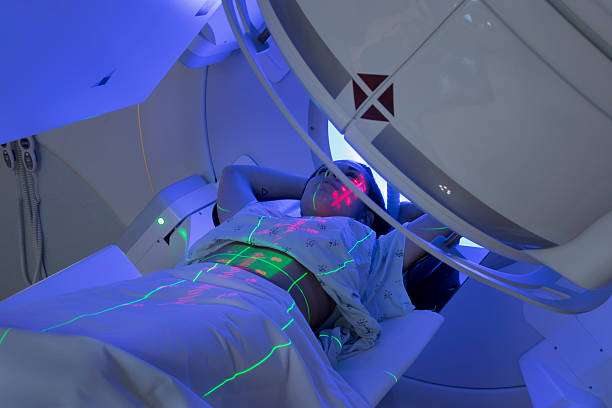
Radiation therapy employs high doses of radiation to destroy cancer cells while minimizing harm to surrounding healthy tissue. This method is frequently used for localized tumors.
- Symptoms: Side effects may include skin irritation, fatigue, and changes in appetite.
- Diagnosis: Before treatment begins, extensive imaging scans help determine the exact location and size of the tumor.
- Treatment options: Radiation can be given externally via machines or internally through implants placed near the cancer site.
- What to expect: Each session typically lasts only a few minutes, but multiple sessions are required over several weeks for optimal effect.
This approach aims not just at treating cancer but also at ensuring that the patient maintains as much normalcy as possible during recovery.
CHEMOTHERAPY
Chemotherapy is a common treatment for various types of cancer. It uses powerful medications to target and kill rapidly dividing cancer cells throughout the body.
- Symptoms: Patients may experience fatigue, nausea, hair loss, and increased susceptibility to infections.
- Diagnosis: Treatment begins after a thorough diagnosis which may include imaging studies and biopsy results confirming the presence of cancer.
- Treatment options: Chemotherapy can be administered intravenously or orally and may be used alone or in combination with other treatments like surgery or radiation.
- What to expect: Patients need regular monitoring during chemotherapy sessions to manage side effects and adjust treatment as necessary.
The goal of chemotherapy is to eliminate cancer cells, reduce tumor size, and improve quality of life for patients facing difficult diagnoses.