
DR Mukesh Choudh
About Me
DR Mukesh Choudh
MD
Oncologist
Biography
My Clinic
OPD Hours
| Monday | Morning | 10:00 AM | - | 02:00 PM |
| Evening | 06:00 PM | - | 09:00 PM | |
| Tuesday | Morning | 10:00 AM | - | 02:00 PM |
| Evening | 06:00 PM | - | 09:00 PM | |
| Wednesday | Morning | 10:00 AM | - | 02:00 PM |
| Evening | 06:00 PM | - | 09:00 PM | |
| Thursday | Morning | 10:00 AM | - | 02:00 PM |
| Evening | 06:00 PM | - | 09:00 PM | |
| Friday | Morning | 10:00 AM | - | 02:00 PM |
| Evening | 06:00 PM | - | 09:00 PM | |
| Saturday | Morning | 10:00 AM | - | 02:00 PM |
| Evening | 06:00 PM | - | 09:00 PM | |
| Sunday | Morning | 10:00 AM | - | 02:00 PM |
| Evening | 06:00 PM | - | 09:00 PM |
Treatments
Specialised care and treatments offered
ENDOSCOPIC PROCEDURES
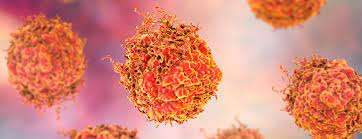
This category encompasses various minimally invasive techniques employed within an endoscopic platform wherein cameras facilitate direct visualization allowing doctors access inside body cavities targeting abnormalities effectively. Such methods are commonly used when dealing with gastrointestinal malignancies among others
- Medical concerns leading toward endoscopy entail significant digestive issues such as bleeding alterations bowel habits requiring immediate professional intervention
- Diagnostic measures frequently utilize preliminary imaging followed by biopsy sampling via endoscope promoting rapid diagnostics confirming conditions facilitating prompt initiation comprehensive plans’ therapeutic strategies
- Endoscopic surgeries generally occur under sedation outpatient ensuring reduced recovery thresholds expediting patients back into their daily lives almost immediately after
- Typical postoperative considerations center around managing discomforts light but manageable limiting requirements for extensive recuperative practices post-treatment
Endoscopic interventions open doors enhancing diagnostic capabilities thereby streamlining therapeutic endeavors reinforcing overall care standards observed across oncology frameworks fostering improved outcomes
RADIOFREQUENCY ABLATION (RFA)
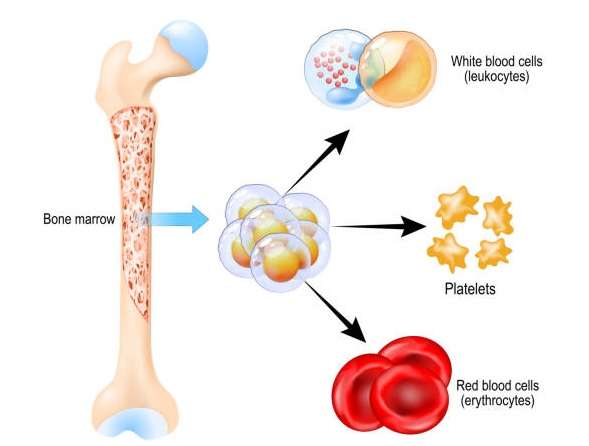
Radiofrequency ablation (RFA) uses heat generated from radio waves to target and destroy cancerous tissue. This method provides a less invasive alternative while maintaining effectiveness in treating certain types of tumors found in organs like the liver and kidneys.
- Symptoms necessitating RFA might include abdominal discomfort or unexplained weight changes prompting medical evaluation
- Imaging tests such as CT scans assist physicians in identifying suitable candidates by locating tumors accurately before RFA procedures commence
- Treatment sessions usually happen on an outpatient basis allowing patients quick discharge following monitoring periods post-ablation
- Common side effects may involve soreness around treated sites yet are generally mild compared with traditional surgical options
RFA represents a promising option blending effectiveness alongside minimal disruption ensuring quicker recoveries enhancing patient convenience moving forward
CRYOABLATION

This minimally invasive technique involves freezing tissue to destroy cancer cells. Cryoablation is particularly effective for certain types of tumors where precise targeting is crucial without extensive damage to surrounding healthy tissues.
- The conditions leading up to cryoablation may present symptoms like localized pain or noticeable masses under the skin that warrant further investigation.
- Diagnostic imaging techniques such as ultrasound or MRI help visualize tumors prior to the procedure ensuring accurate targeting during cryoablation.
- The procedure usually takes place under local anesthesia in an outpatient setting, making recovery times relatively quick compared to traditional surgery.
- Pain near the treated area may occur as a side effect but can typically be managed with over-the-counter medications after the procedure.
Cryoablation presents an excellent option for patients seeking effective treatment without prolonged hospital stays or recovery periods associated with larger surgical interventions.
IMMUNOTHERAPY
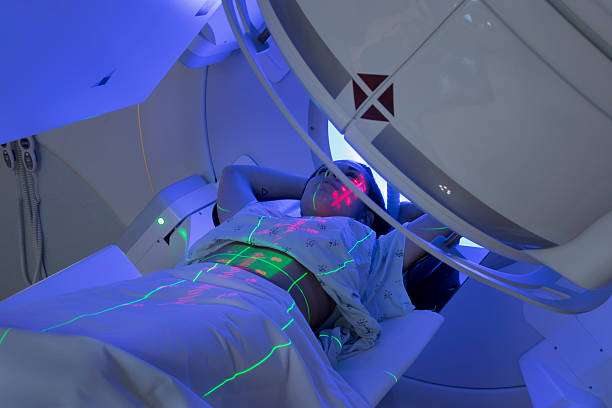
This cutting-edge approach harnesses the body's immune system to fight cancer more effectively. Immunotherapy helps bolster immune responses against tumors by either stimulating the immune system or providing additional components such as antibodies or vaccines.
- Cancer symptoms may include unusual swelling, changes in appetite, or unexplained fevers which should prompt consultation with a physician.
- Diagnosis often relies on blood tests and imaging studies combined with patient history assessments to evaluate immune function and potential benefits from immunological treatments.
- Treatment may be administered in conjunction with other therapies like chemotherapy or radiation for enhanced efficacy against aggressive cancers.
- Potential side effects range from minor flu-like symptoms to more significant autoimmune reactions requiring ongoing medical attention.
Regular follow-ups are vital for assessing both responsiveness to immunotherapy and any adverse effects during the course of treatment.
TARGETED THERAPY
This innovative treatment targets specific molecules involved in the growth and spread of cancer cells. By focusing on precise pathways within cells, targeted therapy aims to minimize damage to healthy cells while maximizing the impact on malignancies.
- Symptoms that might indicate a need for this therapy vary widely but can include abnormal lumps and persistent fatigue.
- A diagnosis typically involves genetic testing of tumors to identify specific mutations or markers that could make patients eligible for targeted therapies.
- Common forms of administration include oral medications or infusions delivered at a clinic.
- Although side effects are usually less severe than traditional chemotherapy, they can still include skin rashes and flu-like symptoms which need monitoring during treatment.
Discussing personalized treatment options with an oncologist can help determine if targeted therapy is suitable for specific cancer types.
CHEMOTHERAPY
Chemotherapy is a treatment that uses powerful medications to target and kill cancer cells. This approach is often part of a comprehensive treatment plan for various cancers, helping to reduce tumor size or eliminate cancerous cells from the body.
- The most common symptoms of cancer requiring chemotherapy include unexplained weight loss, persistent pain, and changes in bodily functions.
- Diagnostic procedures can involve imaging tests like CT scans and PET scans, along with biopsies to confirm cancer presence.
- Chemotherapy can be delivered intravenously, orally, or through injections depending on the specific condition being treated.
- Patients may experience side effects such as nausea, fatigue, and hair loss; however, these can often be managed with supportive therapies.
- Ongoing monitoring through follow-up appointments is critical to assess treatment effectiveness and make necessary adjustments.
It's essential for patients to discuss potential side effects and their management with their healthcare team prior to starting chemotherapy.