
Dr Mukesh Jain As
About Me
Dr Mukesh Jain As
MBBS
General Physician
Biography
My Clinic
OPD Hours
| Monday | Morning | 10:00 AM | - | 02:00 PM |
| Evening | 06:00 PM | - | 09:00 PM | |
| Tuesday | Morning | 10:00 AM | - | 02:00 PM |
| Evening | 06:00 PM | - | 09:00 PM | |
| Wednesday | Morning | 10:00 AM | - | 02:00 PM |
| Evening | 06:00 PM | - | 09:00 PM | |
| Thursday | Morning | 10:00 AM | - | 02:00 PM |
| Evening | 06:00 PM | - | 09:00 PM | |
| Friday | Morning | 10:00 AM | - | 02:00 PM |
| Evening | 06:00 PM | - | 09:00 PM | |
| Saturday | Morning | 10:00 AM | - | 02:00 PM |
| Evening | 06:00 PM | - | 09:00 PM | |
| Sunday | Morning | 10:00 AM | - | 02:00 PM |
| Evening | 06:00 PM | - | 09:00 PM |
Treatments
Specialised care and treatments offered
URINARY TRACT INFECTIONS (UTIS)

A urinary tract infection (UTI) occurs when harmful bacteria enter the urinary system causing inflammation. UTIs can affect any part of the urinary system but are most common in women. Recognizing symptoms early is paramount for effective treatment
- Main symptoms often include frequent urination, cloudy urine, strong-smelling urine, burning sensation during urination, lower abdominal pain.
- A simple urine test known as urinalysis helps diagnose UTIs effectively by detecting bacteria or pus in the urine sample collected during an office visit.
- Treatment primarily involves antibiotics aimed at eradicating the causative bacteria while drinking lots of fluids aids recovery
- Recurrence prevention strategies such as proper hygiene practices are essential in minimizing future infections
Prompt evaluation will ensure relief from symptoms while preventing potential complications associated with severe infections.
DIABETES MELLITUS MANAGEMENT

Diabetes mellitus represents a group of metabolic disorders characterized by high blood glucose levels over prolonged periods. Effective management is crucial in preventing complications associated with this disease.
- The two main types are Type 1 diabetes due to insulin deficiency and Type 2 diabetes resulting from insulin resistance or insufficient insulin production.
- A diagnosis involves measuring blood sugar levels via fasting glucose tests or HbA1c assessments.
- Treatment strategies typically incorporate dietary modifications focused on carbohydrate control along with regular exercise; some patients may require insulin therapy or oral hypoglycemic agents depending on disease severity.
A collaborative approach involving healthcare providers greatly enhances the quality of life for individuals living with diabetes through effective education and personalized care plans.
PNEUMONIA

Pneumonia is an inflammatory condition of the lungs primarily caused by infections. It presents with cough, fever, chills, and difficulty breathing. Prompt diagnosis and treatment are vital for recovery.
- The most common cause includes bacterial pathogens, but viruses can also lead to this infection.
- A healthcare provider will typically conduct a physical examination followed by imaging tests like X-rays to confirm pneumonia's presence.
- Treatment options include antibiotics for bacterial pneumonia while viral pneumonia may require supportive care such as rest and fluids.
- Vaccination against certain types of pneumonia can also help prevent recurrent infections in at-risk populations.
An early intervention often leads to improved outcomes; therefore, it’s essential to seek medical help if pneumonia is suspected.
BRONCHIAL ASTHMA
Bronchial asthma is a chronic respiratory condition characterized by recurrent episodes of wheezing, breathlessness, chest tightness, and coughing. It can vary in severity among individuals and requires careful management for optimal control.
- The main triggers include allergens like pollen and dust mites as well as irritants such as smoke or pollution.
- A detailed history along with pulmonary function tests helps in diagnosing asthma effectively.
- Treatment options range from inhaled corticosteroids, which reduce inflammation, to bronchodilators that relieve airway constriction during an attack.
- A personalized asthma action plan can assist patients in managing their symptoms better and recognizing when to seek immediate care.
Proper management significantly enhances quality of life for those living with asthma while minimizing exacerbations.
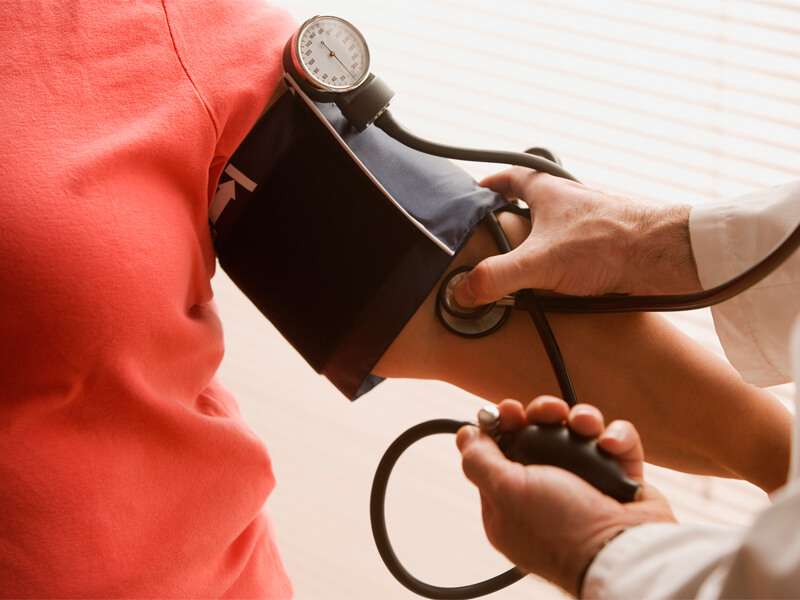
HYPERTENSION MANAGEMENT

Hypertension, or high blood pressure, is a common condition that can lead to serious health complications if left unchecked. Regular monitoring and lifestyle modifications are essential for effective management.
- This condition often presents with headaches, shortness of breath, or nosebleeds but may also occur without any symptoms at all.
- Diagnosis is made through regular blood pressure readings and may involve laboratory tests to assess organ function.
- Treatment can include lifestyle changes such as diet modifications, increased physical activity, and possibly medication like diuretics or ACE inhibitors.
- Regular follow-ups are necessary to monitor blood pressure levels and adjust treatment as needed.
Maintaining healthy lifestyle choices plays a critical role in controlling hypertension and reducing the risk of cardiovascular diseases.
ACUTE GASTROENTERITIS

Acute gastroenteritis, commonly known as stomach flu, is an inflammation of the stomach and intestines, usually caused by viral or bacterial infections. This condition can lead to significant discomfort and dehydration if not managed properly.
- Symptoms often include diarrhea, vomiting, abdominal cramps, and fever.
- The diagnosis typically involves a physical examination and may require stool tests to identify any infectious agents.
- Treatment focuses on rehydration, often using oral rehydration solutions to replenish lost fluids.
- In some cases, medications may be prescribed to manage nausea or diarrhea.
- The recovery process generally lasts from a few days to a week; however, severe cases may necessitate hospitalization for intravenous fluids.
It is crucial to maintain hydration and seek medical attention if symptoms worsen or persist beyond a few days.