
Dr Mukesh Jain Cl
About Me
Dr Mukesh Jain Cl
MBBS
General Physician
Biography
My Clinic
OPD Hours
| Monday | Morning | 10:00 AM | - | 02:00 PM |
| Evening | 06:00 PM | - | 09:00 PM | |
| Tuesday | Morning | 10:00 AM | - | 02:00 PM |
| Evening | 06:00 PM | - | 09:00 PM | |
| Wednesday | Morning | 10:00 AM | - | 02:00 PM |
| Evening | 06:00 PM | - | 09:00 PM | |
| Thursday | Morning | 10:00 AM | - | 02:00 PM |
| Evening | 06:00 PM | - | 09:00 PM | |
| Friday | Morning | 10:00 AM | - | 02:00 PM |
| Evening | 06:00 PM | - | 09:00 PM | |
| Saturday | Morning | 10:00 AM | - | 02:00 PM |
| Evening | 06:00 PM | - | 09:00 PM | |
| Sunday | Morning | 10:00 AM | - | 02:00 PM |
| Evening | 06:00 PM | - | 09:00 PM |
Treatments
Specialised care and treatments offered
GASTROESOPHAGEAL REFLUX DISEASE (GERD)

This chronic digestive disorder occurs when stomach acid frequently flows back into the esophagus causing irritation. GERD can lead to uncomfortable symptoms affecting daily life if not properly managed over time.
.SEASONAL ALLERGIES
Seasonal allergies occur when your immune system reacts to specific allergens such as pollen from trees and grasses. Symptoms often arise during particular seasons when these allergens are prevalent in the environment.
- Main symptoms: Common symptoms include sneezing, itchy eyes/nose/throat, nasal congestion or runny nose which can interfere with daily activities.
- Causative factors: Allergens such as tree pollen in spring or ragweed in fall trigger responses in sensitive individuals leading to discomfort.
ASTHMA CONTROL
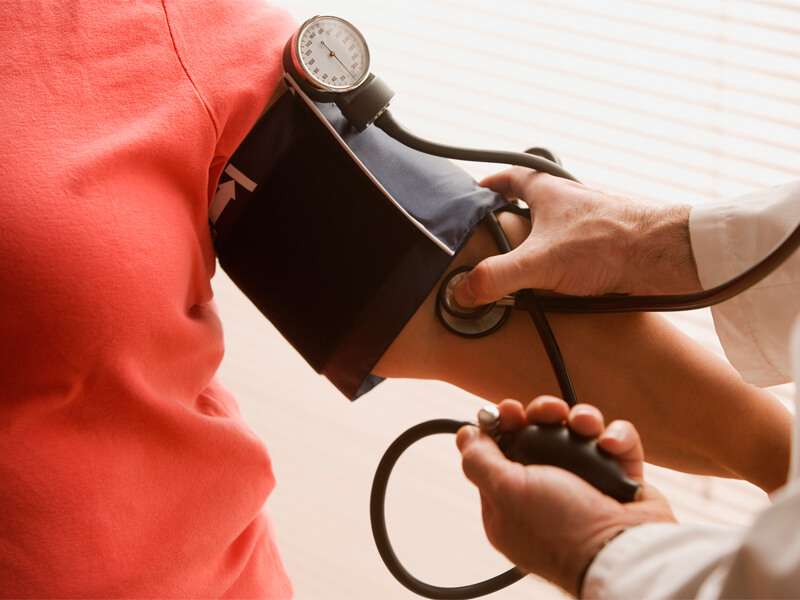
Asthma is a chronic respiratory condition characterized by inflammation of the airway passages. This leads to difficulty in breathing due to recurrent episodes of wheezing, shortness of breath, chest tightness, and coughing.
- Symptoms: Symptoms often worsen at night or during physical activity; individuals may experience coughing fits especially when exposed to allergens or irritants.
- Main causes: Triggers include pollen, dust mites, smoke from tobacco products, pet dander, and cold air.
- Diagnosis methods: Diagnosis typically involves lung function tests such as spirometry alongside evaluation of medical history and symptom patterns.
- Treatment options: Managing asthma revolves around inhalers (both preventers and relievers), avoiding triggers where possible, and following an action plan developed with healthcare professionals.
A clear understanding of asthma management allows individuals to live active lives while minimizing symptoms through effective treatment strategies.
TYPE 2 DIABETES MANAGEMENT
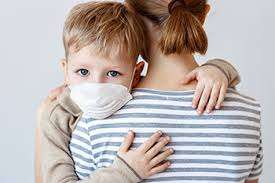
Type 2 diabetes is a chronic condition that affects the way the body metabolizes sugar (glucose). It is becoming increasingly common due to rising obesity rates and sedentary lifestyles.
- Symptoms: Common signs include increased thirst, frequent urination, extreme fatigue, blurred vision, and slow healing of cuts.
- Causes: This condition primarily arises due to insulin resistance or insufficient insulin production by the pancreas.
- Diagnosis: Blood tests including fasting blood glucose levels or HbA1c tests assist in confirming the diagnosis.
- Treatment strategies: Management focuses on dietary changes, regular physical activity, weight management, and in some cases medication or insulin therapy may be prescribed.
- Lifestyle impacts: Engaging in regular exercise significantly helps improve insulin sensitivity and can lead to better overall health outcomes.
Efficacious management can prevent complications associated with diabetes by maintaining stable blood sugar levels through personalized care plans.
HYPERTENSION
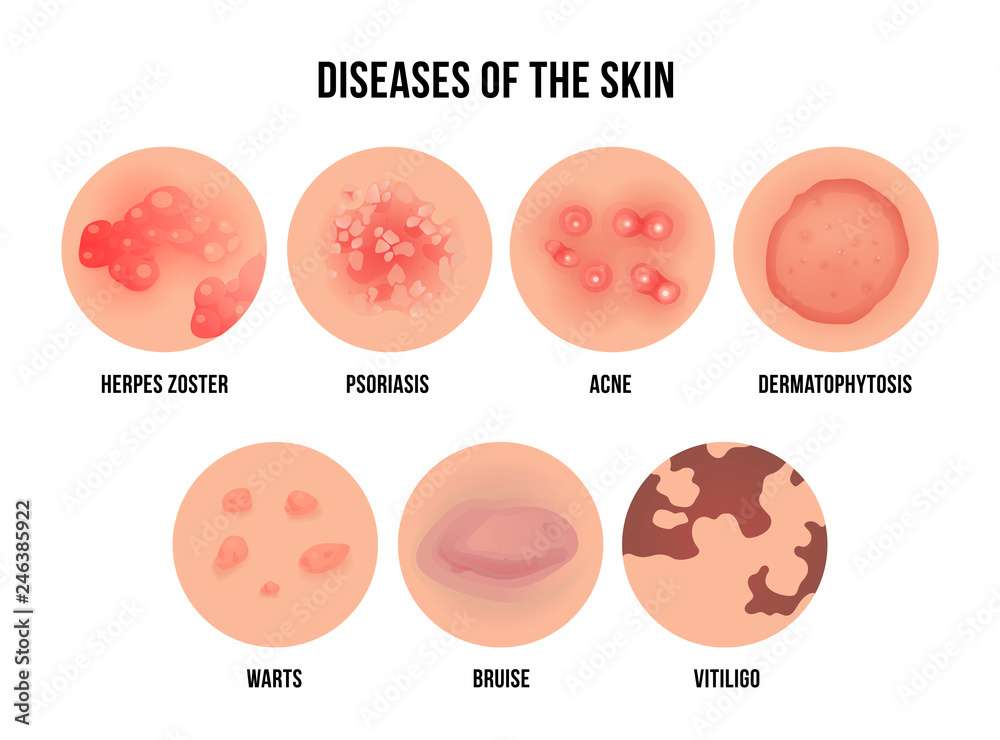
Hypertension, commonly known as high blood pressure, is a condition that affects millions of individuals worldwide. It often develops over many years and can lead to serious health issues if left untreated.
- Symptoms: Many individuals do not experience noticeable symptoms. However, severe cases might present with headaches, shortness of breath, or nosebleeds.
- Causes: Factors include genetics, poor diet, lack of physical activity, obesity, and stress.
- Diagnosis: Blood pressure is measured using a sphygmomanometer during routine check-ups or medical consultations.
- Treatment options: Management includes lifestyle changes such as adopting a healthier diet (e.g., DASH diet), regular exercise, reducing salt intake, and medication when necessary.
- What to expect: Regular monitoring and follow-up visits are essential to managing the condition effectively and preventing complications.
With appropriate interventions and lifestyle modifications, hypertension can be managed successfully for improved health outcomes.