
Dr Mukesh Khande
About Me
Dr Mukesh Khande
MS
Orthopaedic Surgeons
10 Years Experience
Biography
My Clinic
OPD Hours
| Monday | Morning | 10:00 AM | - | 02:00 PM |
| Evening | 06:00 PM | - | 09:00 PM | |
| Tuesday | Morning | 10:00 AM | - | 02:00 PM |
| Evening | 06:00 PM | - | 09:00 PM | |
| Wednesday | Morning | 10:00 AM | - | 02:00 PM |
| Evening | 06:00 PM | - | 09:00 PM | |
| Thursday | Morning | 10:00 AM | - | 02:00 PM |
| Evening | 06:00 PM | - | 09:00 PM | |
| Friday | Morning | 10:00 AM | - | 02:00 PM |
| Evening | 06:00 PM | - | 09:00 PM | |
| Saturday | Morning | 10:00 AM | - | 02:00 PM |
| Evening | 06:00 PM | - | 09:00 PM | |
| Sunday | Morning | 10:00 AM | - | 02:00 PM |
| Evening | 06:00 PM | - | 09:00 PM |
Treatments
Specialised care and treatments offered
IDENTIFICATION OF BONE FRACTURES
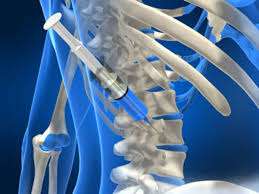
The detection of bone fractures relies on prompt recognition following trauma or injury. Accurate identification helps determine appropriate immobilization or surgical needs for healing support.
ROTATOR CUFF TEAR REPAIR

Tears in the rotator cuff tendons can cause significant shoulder pain and impaired movement. Surgical repair may be necessary when conservative treatments fail or injury is severe enough to disrupt function.
DIAGNOSIS OF OSTEOARTHRITIS

Osteoarthritis is a common joint disorder characterized by gradual cartilage breakdown resulting in pain and stiffness. Accurate diagnosis is critical for effective management planning.
SPINAL FUSION SURGERY

This operation aims to permanently connect two or more vertebrae in the spine, eliminating motion between them. It is commonly used when spinal instability causes pain or neurological symptoms.
- The indications include degenerative disc disease, fractures, or spinal deformities leading to nerve compression or instability.
- A combination of physical examination and advanced imaging like CT scans aids accurate diagnosis before surgery.
- The procedure involves placing bone grafts or implants that encourage vertebrae fusion over time for stability.
- The recovery process can be gradual, requiring activity modification and physical therapy under medical supervision.
This technique helps reduce pain while improving spinal alignment and function in appropriate candidates.
TOTAL HIP REPLACEMENT

This surgical intervention is designed to relieve pain and restore function in patients suffering from severe hip joint damage, often due to arthritis or trauma. It replaces damaged bone and cartilage with artificial components.
- Symptoms guiding this treatment involve chronic hip pain that limits daily activities.
- A thorough clinical evaluation, including X-rays, confirms the extent of joint deterioration.
- The surgery removes damaged sections of the hip joint and implants prosthetic parts to mimic natural movement.
- An essential part of post-operative care includes rehabilitation exercises to regain strength and mobility over several months.
This procedure has high success rates in improving quality of life for individuals impacted by debilitating hip conditions.
ARTHROSCOPIC KNEE SURGERY

Minimally invasive procedures such as arthroscopy have revolutionized the way knee joint issues are diagnosed and treated. This technique allows doctors to view and operate inside the knee with small incisions, providing less pain and quicker recovery.
- Common uses include repairing torn cartilage or ligaments and removing loose debris in the knee joint.
- Diagnosis often involves imaging tests like MRI to pinpoint internal damage before surgery.
- Surgical procedure is performed using a tiny camera and specialized instruments through small keyhole incisions.
- Recovery typically involves physical therapy aimed at restoring mobility and strength post-operation.
With advances in technology, arthroscopic surgery offers a safe, effective treatment option for various knee injuries with minimal disruption to surrounding tissues.