
DR Mukesh Kumar
About Me
DR Mukesh Kumar
MS
Orthopaedic Surgeons
10 Years Experience
Biography
My Clinic
OPD Hours
| Monday | Morning | 10:00 AM | - | 02:00 PM |
| Evening | 06:00 PM | - | 09:00 PM | |
| Tuesday | Morning | 10:00 AM | - | 02:00 PM |
| Evening | 06:00 PM | - | 09:00 PM | |
| Wednesday | Morning | 10:00 AM | - | 02:00 PM |
| Evening | 06:00 PM | - | 09:00 PM | |
| Thursday | Morning | 10:00 AM | - | 02:00 PM |
| Evening | 06:00 PM | - | 09:00 PM | |
| Friday | Morning | 10:00 AM | - | 02:00 PM |
| Evening | 06:00 PM | - | 09:00 PM | |
| Saturday | Morning | 10:00 AM | - | 02:00 PM |
| Evening | 06:00 PM | - | 09:00 PM | |
| Sunday | Morning | 10:00 AM | - | 02:00 PM |
| Evening | 06:00 PM | - | 09:00 PM |
Treatments
Specialised care and treatments offered
SHOULDER IMPINGEMENT
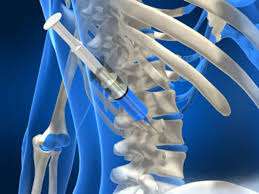
This condition arises when shoulder tendons become irritated or inflamed as they pass through the shoulder joint. Common among athletes as well as individuals engaged in repetitive overhead activities, shoulder impingement significantly limits arm mobility without appropriate care.
- Symptoms typically involve shoulder pain that worsens with overhead movements alongside weakness when lifting objects.
- Diagnostic procedures generally encompass thorough clinical evaluations supplemented by imaging techniques such as X-rays or MRIs aimed at identifying inflammation around rotator cuff tendons.
- Management options include physical therapy targeting strengthening surrounding muscles while promoting flexibility; moreover , corticosteroid injections could aid symptomatic relief too.
- Many patients might benefit from engaging diligently with their prescribed rehabilitation plans enabling them gradually returning back into their day-to-day activities sooner rather than later!
Early recognition combined with comprehensive treatment empowers individuals towards achieving better outcomes overall!
CARPAL TUNNEL SYNDROME
This condition results from pressure on the median nerve as it travels through the wrist. It frequently leads to numbness, tingling, and weakness in the hand due to repetitive motion activities common in many professions today.
- The hallmark symptoms include tingling sensations in fingers, particularly at night; persistent hand weakness also often accompanies this syndrome.
- A healthcare provider will utilize a combination of clinical assessments alongside nerve conduction studies for accurate diagnosis.
- Treatment may involve splinting during sleep periods, anti-inflammatory medications, or corticosteroid injections; surgery might be indicated if conservative measures fail.
HERNIA REPAIR

A hernia occurs when an organ pushes through an opening in the muscle or tissue that holds it in place. Hernias are common conditions requiring surgical intervention for effective resolution.
- Main symptoms include a noticeable bulge in the affected area along with potential discomfort or pain during lifting or straining activities.
- The diagnosis often involves a detailed physical examination, occasionally supplemented by imaging tests such as ultrasounds or CT scans.
- Surgical options involve repairing the defect either through open surgery or laparoscopically, both aiming for minimal recovery time.
- Pain management post-surgery is critical for patient comfort during healing phases.
Surgery offers excellent outcomes, allowing patients to return quickly to their daily routines without significant limitations.
TENDON INJURIES

Tendon injuries can significantly impact physical activity by causing pain and limiting movement. These injuries often occur due to overuse or sudden trauma during sports activities.
- The most common symptoms are localized pain, swelling, and tenderness around the affected tendon.
- A medical professional typically diagnoses tendon injuries through physical exams and may use ultrasound or MRI for confirmation.
- Treatment strategies range from rest and ice application to targeted physical therapy; surgery may be necessary for severe cases.
- After treatment, patients usually undergo rehabilitation exercises designed to restore functionality safely.
An early diagnosis paired with appropriate treatment increases the chances of full recovery without lasting effects.
FRACTURE MANAGEMENT

A fracture occurs when a bone breaks due to trauma or stress. Proper management is essential for healing and restoring function. Delayed or improper treatment can lead to complications.
- Common signs include severe pain at the site of injury, swelling, and inability to use the affected limb.
- A thorough clinical assessment, often including imaging studies like X-rays, is crucial for diagnosis.
- Treatment varies from immobilization with casts to surgical intervention for more complicated fractures.
- Rehabilitation exercises are vital for regaining strength following recovery.
Prompt attention to fractures aids in quicker recovery and minimizes long-term issues.
OSTEOARTHRITIS

Osteoarthritis is a degenerative joint disease that commonly affects older adults, leading to pain and stiffness. As the cartilage between bones wears away, individuals may experience reduced mobility and increased discomfort.
- Symptoms include joint pain, swelling, and difficulty in movement.
- The condition is diagnosed through a combination of physical examinations, X-rays, or MRI scans.
- Treatment options focus on symphom management and can include physical therapy, medications, and in severe cases, surgery.
- Patients can expect gradual improvement with adherence to recommended therapies.
Early intervention can help manage symptoms effectively and improve quality of life.