
Dr Mukesh Parikh
About Me
Dr Mukesh Parikh
General Physician
Biography
My Clinic
OPD Hours
| Tuesday | Morning | 10:00 AM | - | 02:00 PM |
| Evening | 06:00 PM | - | 09:00 PM | |
| Wednesday | Morning | 10:00 AM | - | 02:00 PM |
| Evening | 06:00 PM | - | 09:00 PM | |
| Thursday | Morning | 10:00 AM | - | 02:00 PM |
| Evening | 06:00 PM | - | 09:00 PM | |
| Friday | Morning | 10:00 AM | - | 02:00 PM |
| Evening | 06:00 PM | - | 09:00 PM | |
| Saturday | Morning | 10:00 AM | - | 02:00 PM |
| Evening | 06:00 PM | - | 09:00 PM | |
| Sunday | Morning | 10:00 AM | - | 02:00 PM |
| Evening | 06:00 PM | - | 09:00 PM | |
| Thursday | Morning | 10:00 AM | - | 02:00 PM |
| Evening | 06:00 PM | - | 09:00 PM |
Treatments
Specialised care and treatments offered
GASTROINTESTINAL HEALTH MANAGEMENT
The digestive system plays a vital role in overall health. Gastrointestinal issues can impact daily life significantly; thus managing conditions affecting it becomes critical for well-being.
INFECTIOUS DISEASE MANAGEMENT

The management of infectious diseases requires understanding various pathogens that cause illness in humans. This field encompasses preventive measures along with therapeutic interventions tailored to specific infections.
@- @
@@@@ @
ASTHMA CONTROL
A chronic respiratory condition known as asthma affects airways by causing inflammation and narrowing. Its effective control is essential for maintaining optimal lung function and quality of life.
- Main Symptoms: Symptoms often include wheezing, coughing, chest tightness, and shortness of breath that may vary in severity over time.
- Causative Triggers: Allergens such as pollen or dust mites; irritants including tobacco smoke; physical activity; respiratory infections; and weather changes can trigger asthma symptoms.
A comprehensive management plan enables those with asthma to lead fulfilling lives despite their condition...
CHOLESTEROL MANAGEMENT
Elevated cholesterol levels pose significant health risks including cardiovascular disease. Understanding how to manage cholesterol effectively is crucial for long-term heart health.
- Causative Factors: High cholesterol can result from poor diet, lack of physical activity, obesity, smoking habits, and genetic predispositions.
- Symptoms: Often asymptomatic; however, it may lead to serious health events like heart attacks if left unmanaged.
- Diagnosis Methods: A lipid panel test measures total cholesterol levels along with LDL (bad) and HDL (good) cholesterol in the bloodstream.
- Treatment Methods: Approaches include lifestyle changes such as exercising regularly, adopting a low-fat diet rich in fruits and vegetables, and medications like statins where necessary.
A proactive approach to managing cholesterol can contribute significantly to reducing the risk of serious health conditions over time.
DIABETES MANAGEMENT

Diabetes is a metabolic disorder characterized by elevated blood glucose levels. Effective management is essential to mitigate complications such as cardiovascular diseases and neuropathy.
- Causes: Factors include genetics, obesity, sedentary lifestyle, and poor dietary choices.
- Symptoms: Common signs include excessive thirst, frequent urination, fatigue, and blurred vision.
- Diagnosis: Blood tests measuring glucose levels are primarily used for diagnosing diabetes or prediabetes conditions.
- Treatment Strategies: Manage diabetes through a balanced diet, regular physical activity, insulin therapy (if needed), and oral medications aimed at controlling blood sugar levels.
- Lifestyle Modifications: Regular monitoring of blood sugar levels and making healthy lifestyle choices can significantly improve overall health outcomes for diabetic patients.
An integrated approach helps manage diabetes effectively while enhancing quality of life for those affected by this condition.
HYPERTENSION MANAGEMENT
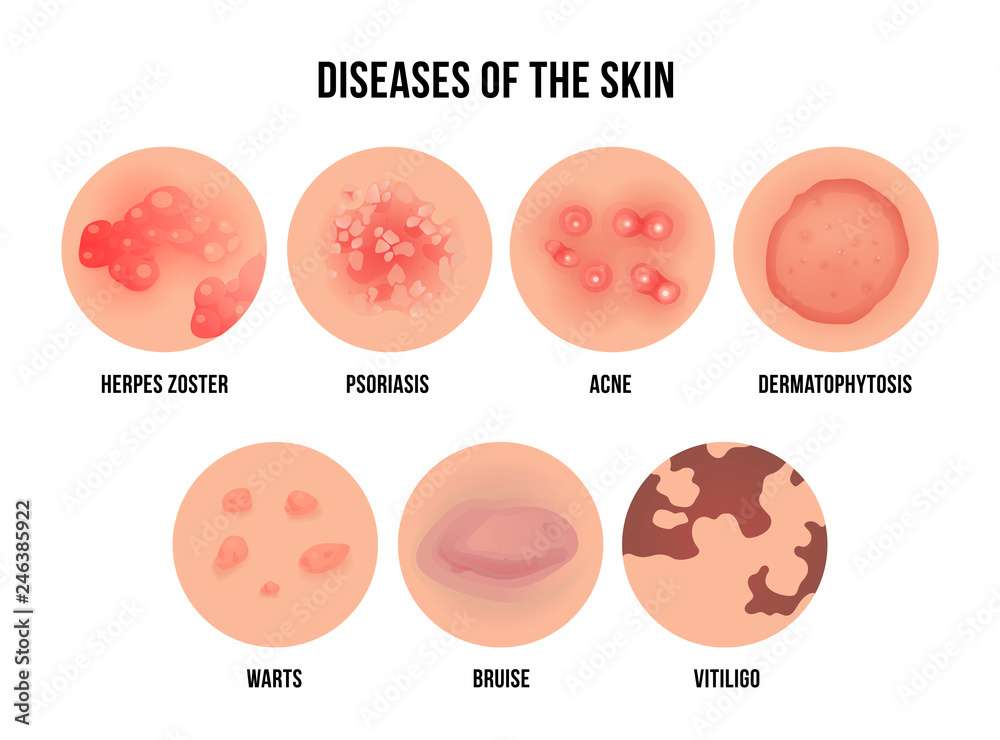
Hypertension, commonly known as high blood pressure, is a prevalent condition that significantly increases the risk of heart disease and stroke. Managing hypertension effectively is crucial to prevent complications.
- Symptoms: Many individuals may not exhibit noticeable symptoms; however, some might experience headaches, shortness of breath, or nosebleeds.
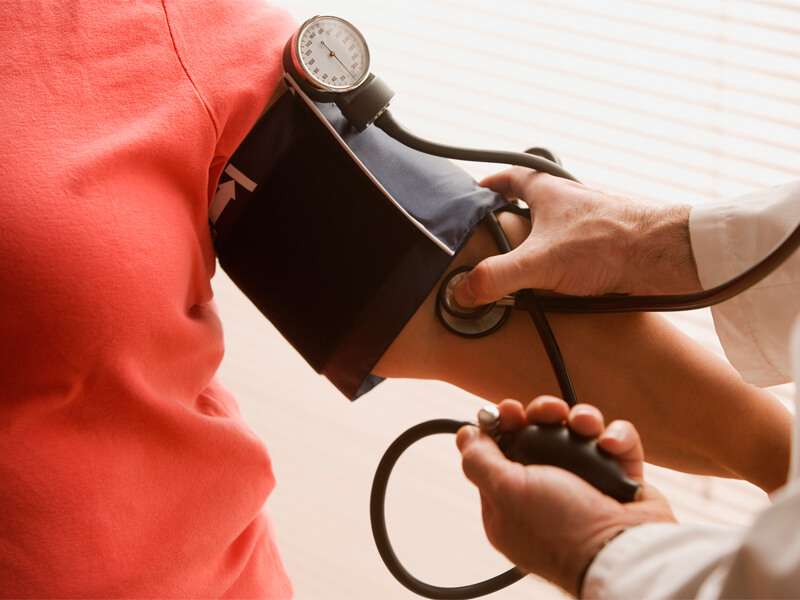
- Diagnosis: A healthcare provider measures blood pressure using a sphygmomanometer during routine check-ups or when patients report symptoms.
- Treatment Options: Management typically involves lifestyle modifications such as dietary changes, regular exercise, and medications like diuretics or ACE inhibitors.
- Regular Monitoring: Patients should regularly monitor their blood pressure at home to ensure effective control and adjust treatments as necessary.
- What to Expect: With proper management, many can maintain normal blood pressure levels and reduce the risk of severe health issues.
By following a comprehensive treatment plan, individuals with hypertension can lead healthier lives while minimizing risks associated with this condition.