
Dr Mukesh Shah
About Me
Dr Mukesh Shah
MBBS,MS
Urologists
40 Years Experience
Biography
My Clinic
OPD Hours
| Monday | Morning | 09:00 AM | ||
| Evening | 09:00 PM | |||
| Tuesday | Morning | 09:00 AM | ||
| Evening | 09:00 PM |
Treatments
Specialised care and treatments offered
OVERACTIVE BLADDER
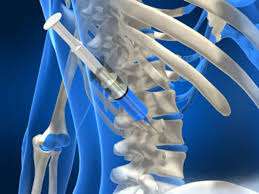
An Overactive Bladder (OAB) is characterized by a sudden urge to urinate that may be difficult to control. This condition affects many individuals impacting daily activities significantly.
- Symptoms: Common signs involve frequent urges throughout day/night resulting in possible involuntary incidents leading toward distressful situations occurring outside home environments too.
- Diagnosis: Doctor visits usually commence with providing patient histories combined alongside specialized studies assessing bladder function via diaries kept tracking voiding patterns observed regularly prior consultation dates too!'< + '}
ERECTILE DYSFUNCTION

Erectile Dysfunction (ED) is characterized by the inability to achieve or maintain an erection suitable for sexual intercourse. This common issue has various underlying causes ranging from psychological factors to medical conditions.
- Symptoms: Difficulty achieving an erection consistently over time can significantly impact self-esteem and relationships.
- Diagnosis: Diagnosis typically involves a comprehensive evaluation that includes medical history assessment alongside physical examinations aimed at identifying potential contributors.
- Treatment Options: Various therapies exist ranging from oral medications like phosphodiesterase type 5 inhibitors (e.g., Viagra) to hormonal treatments or counseling based on underlying causes identified.
- What to Expect: Understanding ED opens doors for discussions about options available enabling many patients reclaim fulfilling sexual experiences once again.
Open communication regarding sexual health promotes confidence while enhancing intimacy within relationships over time.
PROSTATITIS

Prostatitis refers to inflammation of the prostate gland that can occur due to various causes including infection. It affects men often leading to discomfort and urinary symptoms.
- Symptoms: Painful urination, pelvic pain that might radiate towards the lower back or genital areas are common signs associated with this condition.
- Diagnosis: To confirm prostatitis, doctors generally conduct a physical exam along with testing urine samples for infection indicators.
- Treatment Options: Antibiotics are frequently prescribed if an infection is present; other treatments may include anti-inflammatory medications or muscle relaxants for symptom relief.
KIDNEY STONES

Kidney stones are hard deposits made of minerals and salts that form inside the kidneys. These stones can vary in size and often cause severe pain as they travel through the urinary tract.
- Symptoms: Severe back pain, blood in urine, nausea, vomiting, and frequent urination can indicate kidney stones.
- Diagnosis: Imaging tests such as ultrasound or CT scans play a vital role in identifying the presence and size of stones.
- Treatment Options: Depending on size and type, treatment may involve hydration therapy, medication for pain management or procedures like lithotripsy for stone removal.
- What to Expect: Follow-up care is crucial as kidney stones can recur without proper management strategies.
The prevention strategies emphasize dietary changes tailored to reduce stone formation risks.
URINARY INCONTINENCE

Urinary Incontinence is the involuntary loss of urine control, affecting both men and women. It can range from occasional leakage to complete loss of bladder control.
- Symptoms: Leaking during sneezing, coughing, or laughing; sudden urge to urinate; and frequent urination may also be noted.
- Diagnosis: A healthcare provider will evaluate your medical history, perform a physical exam, and might suggest urodynamic tests.
- Treatment Options: Treatment includes pelvic floor exercises, bladder training techniques, medications, or even surgical options if necessary.
- What to Expect: Many individuals see improvement with appropriate treatment plans tailored for their specific needs.
Easing daily challenges associated with incontinence can greatly enhance one’s emotional well-being and social interactions.
BENIGN PROSTATIC HYPERPLASIA

Benign Prostatic Hyperplasia (BPH) is a common condition in older men, characterized by an enlargement of the prostate gland. This can lead to various urinary symptoms that may significantly affect quality of life.
- Symptoms: Frequent urination, nocturia (waking at night to urinate), weak urine stream, and difficulty initiating urination.
- Diagnosis: A thorough history, physical examination, and tests such as a prostate-specific antigen (PSA) blood test are used.
- Treatment Options: Management varies from lifestyle changes and medications to surgical interventions like transurethral resection of the prostate (TURP).
- What to Expect: Regular follow-up is essential to monitor symptoms and treatment effectiveness.
The goal of managing BPH is to alleviate symptoms and improve quality of life.