
Dr Mukesh Yadav
About Me
Dr Mukesh Yadav
MD
Internal Medicine
10 Years Experience
Biography
My Clinic
OPD Hours
| Monday | Morning | 10:00 AM | - | 02:00 PM |
| Evening | 06:00 PM | - | 09:00 PM | |
| Tuesday | Morning | 10:00 AM | - | 02:00 PM |
| Evening | 06:00 PM | - | 09:00 PM | |
| Wednesday | Morning | 10:00 AM | - | 02:00 PM |
| Evening | 06:00 PM | - | 09:00 PM | |
| Thursday | Morning | 10:00 AM | - | 02:00 PM |
| Evening | 06:00 PM | - | 09:00 PM | |
| Friday | Morning | 10:00 AM | - | 02:00 PM |
| Evening | 06:00 PM | - | 09:00 PM | |
| Saturday | Morning | 10:00 AM | - | 02:00 PM |
| Evening | 06:00 PM | - | 09:00 PM | |
| Sunday | Morning | 10:00 AM | - | 02:00 PM |
| Evening | 06:00 PM | - | 09:00 PM |
Treatments
Specialised care and treatments offered
THYROID DYSFUNCTION MONITORING
The thyroid gland regulates metabolism through hormone secretion. Imbalances can cause varied symptoms requiring accurate diagnosis for effective treatment interventions.
- Main presentations: Hypothyroidism may cause fatigue & weight gain while hyperthyroidism leads to nervousness & increased heart rate.
- The diagnostic process: Blood tests measure levels of thyroid hormones (T3,T4 )and thyroid stimulating hormone (TSH).
- Treatment modalities: Hormone replacement therapy corrects underactivity whereas antithyroid drugs manage overactive states.
- Lifelong monitoring: Periodic testing ensures stable hormone levels preventing symptom recurrence.
ANEMIA EVALUATION AND MANAGEMENT
Anemia results from a decrease in red blood cells or hemoglobin which impairs oxygen delivery throughout the body. Identifying its cause precisely allows targeted treatment to restore energy levels.
- Causative factors & symptoms: Fatigue, paleness, shortness of breath on exertion; causes may include nutritional deficiencies or chronic diseases.
- Diagnostic workup: Complete blood count tests complemented by iron studies or vitamin level assessments guide diagnosis.
- You might receive supplements like iron or B12 depending on deficiency type; sometimes addressing underlying chronic illness is required.
- A gradual improvement with treatment helps patients regain vitality while regular monitoring tracks response.
A systematic approach ensures anemia is properly treated thus preventing complications related to oxygen insufficiency in tissues over time.
GASTROESOPHAGEAL REFLUX DISEASE (GERD) TREATMENT
This condition occurs when stomach acid frequently flows back into the tube connecting your mouth and stomach (esophagus), causing irritation. It affects people’s comfort significantly but can be well controlled with proper care.
- Main symptoms: Heartburn, regurgitation of acid taste in the mouth, chest discomfort after meals.
- How it’s diagnosed: Diagnosis often involves clinical evaluation supported by endoscopy or pH monitoring if needed.
- Treatment options: Lifestyle modifications such as avoiding trigger foods plus medications like antacids or proton pump inhibitors help reduce acidity.
- Lifestyle advice: Eating smaller meals & elevating the head during sleep prevent reflux episodes effectively.
Easing GERD symptoms enhances digestive comfort & prevents potential esophageal damage when managed appropriately over time.
CHRONIC OBSTRUCTIVE PULMONARY DISEASE (COPD) MANAGEMENT
COPD is a progressive lung disease often caused by smoking or environmental pollutants, leading to breathing difficulties. Early intervention is key to slowing progression.
- Causes and symptoms: Persistent cough with mucus, shortness of breath especially with exertion, and history of tobacco use are typical indicators.
- Diagnostic methods: Spirometry testing evaluates lung function; imaging may also be utilized for assessment.
- Treatment approach: Includes bronchodilators, inhaled steroids, pulmonary rehabilitation, and oxygen therapy if necessary.
- Lifestyle changes: Smoking cessation is critical; avoiding irritants reduces flare-ups.
An individualized COPD management plan aims to improve breathing comfort and enhance daily activity tolerance for better living standards.
TYPE 2 DIABETES MELLITUS CARE
Type 2 diabetes occurs when the body becomes resistant to insulin or doesn’t produce enough. Proper care helps in preventing serious health issues such as nerve damage or kidney disease.
- Symptoms and causes: Common signs include increased thirst, frequent urination, fatigue; lifestyle factors like diet and inactivity contribute largely.
- Diagnosis: Blood sugar tests such as fasting glucose and HbA1c are essential diagnostic tools.
- Treatment strategies: Management includes lifestyle adjustments, oral hypoglycemics, or insulin therapy tailored to patient needs.
- Lifestyle emphasis: Nutritional guidance and physical activity form cornerstones alongside medication adherence.
A comprehensive plan targeting glucose regulation ensures better quality of life and minimizes complications over time.
HYPERTENSION MANAGEMENT
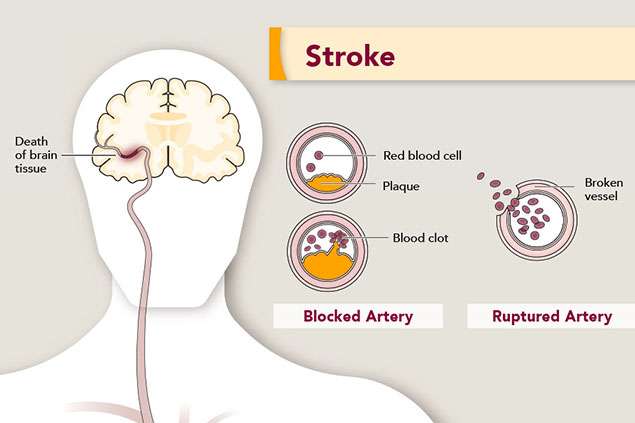
High blood pressure is a common yet serious condition that can lead to heart disease and stroke if left uncontrolled. Managing hypertension effectively is crucial for maintaining overall health and preventing complications.
- Symptoms and causes: Often called the "silent killer," hypertension usually has no symptoms but can be triggered by factors such as obesity, stress, high salt intake, and genetics.
- Diagnosis: Blood pressure readings taken during office visits or ambulatory monitoring help establish the diagnosis.
- Treatment options: Lifestyle changes like diet modification and exercise, along with prescribed medications including ACE inhibitors or beta-blockers, are commonly used.
- Monitoring: Regular follow-up and home blood pressure monitoring ensure effective control of levels.
Timely diagnosis and consistent management of high blood pressure significantly reduce the risk of cardiovascular events, improving long-term health outcomes.