
Dr N K Agarwal
About Me
Dr N K Agarwal
MBBS
General Physician
Biography
My Clinic
OPD Hours
| Monday | Morning | 10:00 AM | - | 02:00 PM |
| Evening | 06:00 PM | - | 09:00 PM | |
| Tuesday | Morning | 10:00 AM | - | 02:00 PM |
| Evening | 06:00 PM | - | 09:00 PM | |
| Wednesday | Morning | 10:00 AM | - | 02:00 PM |
| Evening | 06:00 PM | - | 09:00 PM | |
| Thursday | Morning | 10:00 AM | - | 02:00 PM |
| Evening | 06:00 PM | - | 09:00 PM | |
| Friday | Morning | 10:00 AM | - | 02:00 PM |
| Evening | 06:00 PM | - | 09:00 PM | |
| Saturday | Morning | 10:00 AM | - | 02:00 PM |
| Evening | 06:00 PM | - | 09:00 PM | |
| Sunday | Morning | 10:00 AM | - | 02:00 PM |
| Evening | 06:00 PM | - | 09:00 PM |
Treatments
Specialised care and treatments offered
THYROID FUNCTION TESTS
An important aspect of metabolic health involves evaluating thyroid function. Thyroid disorders can disrupt metabolism significantly if left untreated; hence testing is critical for early diagnosis and management.
- Symptoms: Symptoms may vary widely from fatigue and weight changes to mood swings depending on whether there is overactive or underactive thyroid function.
- Causes: Autoimmune diseases such as Hashimoto's or Graves' disease are common culprits affecting thyroid function in individuals.
CHOLESTEROL MANAGEMENT
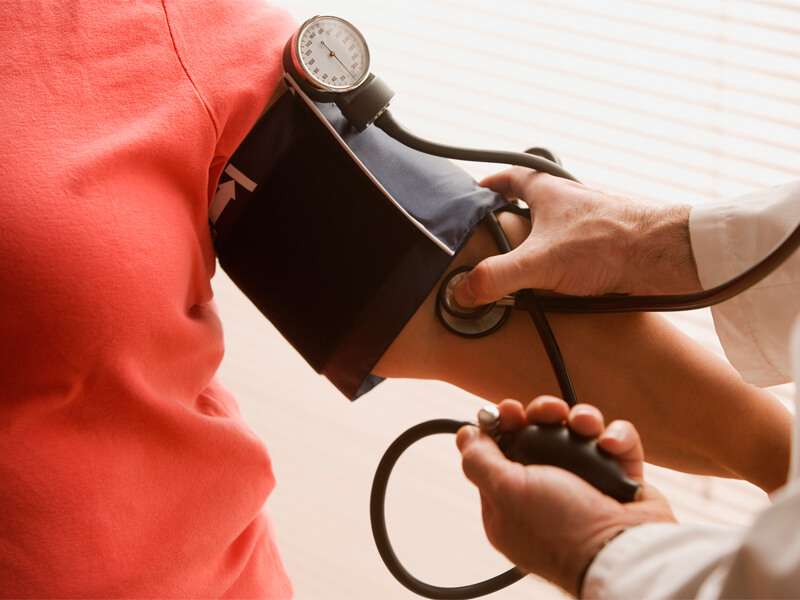
The management of cholesterol levels is vital for reducing the risk of heart disease and stroke. High cholesterol often presents no symptoms but has far-reaching implications on cardiovascular health if not addressed early on.
- Symptoms: Typically asymptomatic; however, it may lead to chest pain or heart attacks if levels become dangerously high.
- Causes: Factors include unhealthy diet, lack of exercise, smoking habits, and genetic predisposition.
- Diagnosis: A lipid panel blood test helps determine total cholesterol levels along with LDL (bad) and HDL (good) cholesterol ratios.
- Treatment: Treatment strategies focus on dietary modifications alongside statin medications when necessary to lower LDL levels effectively.
- What to expect: Lifestyle changes combined with possible medication use will be monitored over time through regular check-ups to ensure optimal cholesterol levels are maintained.
A proactive approach toward cholesterol management can provide significant protection against cardiovascular disease!
DIABETES SCREENING

Diabetes screening is an essential preventive measure aimed at identifying individuals at risk for diabetes or those already living with the condition. Early detection is key to managing diabetes effectively and preventing complications.
- Symptoms: Common signs include increased thirst, frequent urination, extreme fatigue, and blurred vision.
- Causes: Factors influencing diabetes risk involve obesity, family history, sedentary lifestyle, and age.
- Diagnosis: A fasting blood glucose test or an A1C test can reveal elevated glucose levels indicative of diabetes.
- Treatment: Management includes dietary changes, exercise regimes, blood sugar monitoring, and possibly insulin therapy for those diagnosed with diabetes.
- What to expect: Regular follow-ups are crucial for continuous management of the condition and adjustment of treatment plans as needed.
Your proactive approach toward diabetes screening can significantly improve your long-term health outcomes!
HYPERTENSION

Hypertension, commonly known as high blood pressure, is a chronic condition that can lead to serious health complications if left untreated. This condition often develops over many years and may not present noticeable symptoms until significant damage has occurred.
- Symptoms: Many individuals are asymptomatic, but some may experience headaches, shortness of breath, or nosebleeds.
- Causes: Factors contributing to hypertension include obesity, high sodium intake, lack of physical activity, and genetics.
- Diagnosis: Blood pressure readings taken during routine check-ups or at home using a monitor can confirm the condition.
- Treatment: Management might involve lifestyle changes such as diet and exercise, along with medications like diuretics and ACE inhibitors if necessary.
- What to expect: Regular monitoring and follow-up visits will help manage the condition effectively.
If managed appropriately with lifestyle adjustments and medications, individuals with hypertension can lead a healthy life without serious complications.