
Dr N K Agarwal
About Me
Dr N K Agarwal
MS
Orthopaedic Surgeons
10 Years Experience
Biography
My Clinic
OPD Hours
| Monday | Morning | 10:00 AM | - | 02:00 PM |
| Evening | 06:00 PM | - | 09:00 PM | |
| Tuesday | Morning | 10:00 AM | - | 02:00 PM |
| Evening | 06:00 PM | - | 09:00 PM | |
| Wednesday | Morning | 10:00 AM | - | 02:00 PM |
| Evening | 06:00 PM | - | 09:00 PM | |
| Thursday | Morning | 10:00 AM | - | 02:00 PM |
| Evening | 06:00 PM | - | 09:00 PM | |
| Friday | Morning | 10:00 AM | - | 02:00 PM |
| Evening | 06:00 PM | - | 09:00 PM | |
| Saturday | Morning | 10:00 AM | - | 02:00 PM |
| Evening | 06:00 PM | - | 09:00 PM | |
| Sunday | Morning | 10:00 AM | - | 02:00 PM |
| Evening | 06:00 PM | - | 09:00 PM |
Treatments
Specialised care and treatments offered
BURSITIS
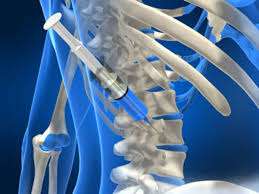
Bursitis occurs when small fluid-filled sacs called bursae become inflamed due typically from repetitive motions or prolonged pressure on specific joints like shoulders or hips resulting thereby causing discomfort therein!
- Symptoms generally present as local swelling paired together soreness during movement alongside possible tenderness about affected areas.
- Diagnosing bursitis relies heavily upon evaluating patient history alongside conducting hands-on assessments checking range mobility coupled confirmation via suitable imaging modalities being key factors too!
- Initial management leverages resting period followed closely by applying ice packs easing existing inflammatory response complemented adequately through oral anti-inflammatories prescribed accordingly whenever indicated whilst awaiting functional improvement!
- Engaging familiar rehabilitative exercises targeting surrounding muscles works wonders speeding up recovery timeline aiding return daily activities reducing recurrence probability later down line significantly!
Timely intervention prevents further exacerbation making appropriate lifestyle alterations critical ensuring smooth transition back into usual routines faster positively impacting overall health status immensely during this phase!
FROZEN SHOULDER (ADHESIVE CAPSULITIS)

This condition results in stiffness and pain in one shoulder due to inflammation around its capsule. Frozen shoulder usually develops gradually before reaching a peak intensity with restricted mobility over time—making simple tasks challenging!
- The primary symptoms comprise persistent shoulder discomfort along with limited range of motion when lifting arms overhead or behind back.
- A thorough examination combined with physical assessments helps determine severity—and imaging tests may be used where necessary for clarification purposes too!
- An effective management plan often centers on therapeutic exercises intended for gentle stretching and gradual mobilization coupled with anti-inflammatory medication.
- Consistency is crucial since healing takes time—implementing small lifestyle adjustments complements treatment efforts greatly!
With appropriate care approaches including patience throughout rehabilitation routines will yield positive outcomes restoring functionality back efficiently!
CARPAL TUNNEL SYNDROME

This condition occurs when the median nerve becomes compressed as it travels through the wrist’s carpal tunnel. Carpal tunnel syndrome often manifests in people who perform repetitive wrist motions or have underlying health conditions like diabetes or hypothyroidism.
- The hallmark symptoms include tingling sensations in fingers (especially thumb index), hand weakness during gripping tasks,soreness in wrist, especially at night.
- A comprehensive assessment including clinical evaluations paired with nerve conduction studies helps confirm this diagnosis effectively.
- Treatment options initially focus on nonsurgical methods such as splinting at night,wrist ergonomics revisions, steroid injections for inflammation control if needed.
- Cognitive retraining therapies often compliment management strategies effectively if symptoms persist over several months.
Nurturing proper wrist posture during daily tasks can mitigate further development while enhancing recovery chances significantly.
PLANTAR FASCIITIS

This common foot condition involves inflammation of the plantar fascia—a thick band of tissue that runs across the bottom of your foot. Plantar fasciitis often leads to heel pain that worsens with activity or after long periods of sitting.
- Pain associated with plantar fasciitis is typically sharp and localized at the heel or arch of the foot.
- A physical examination is usually sufficient for diagnosis; however,x-rays might be utilized to rule out other conditions causing similar symptoms.
- Treatment focuses on relieving pressure off the plantar fascia through stretching exercises,custom orthotics, anti-inflammatory medications, or physiotherapy sessions.
- A gradual return to normal activities is crucial as complete rest can lead to stiffness in surrounding tissues.
If managed early with self-care strategies and professional guidance, plantar fasciitis often improves significantly over time.
TENDONITIS

Tendonitis refers to the inflammation of tendons caused by repetitive motion or overuse. It commonly affects areas such as shoulders, elbows, wrists, knees, and heels.
- The most common symptoms include pain, tenderness near the affected tendon, and restricted movement in the joint involved.
- A thorough evaluation including patient history, physical examination, and sometimes imaging studies can help confirm the diagnosis.
- Treatment often involves rest, ice application to reduce swelling, anti-inflammatory medications, and rehabilitation exercises tailored to improve flexibility.
- This condition may benefit from modifying activities that cause strain on the tendon for optimal recovery.
If managed appropriately with rest and therapy, tendonitis typically resolves within weeks to months without requiring surgery.
OSTEOARTHRITIS

Osteoarthritis is a degenerative joint disease characterized by the breakdown of cartilage, leading to pain, stiffness, and swelling. It typically affects weight-bearing joints such as the knees, hips, and spine.
- Symptoms may include joint pain during movement, stiffness after resting, and swelling around the affected joint.
- The condition is diagnosed through a combination of medical history, physical examinations, and imaging tests like X-rays or MRIs.
- Treatment options focus on managing symptoms and may include physical therapy, weight management, medications like NSAIDs, and lifestyle modifications.
- Regular exercise can help maintain joint function; low-impact activities are recommended.
With appropriate care and lifestyle changes, individuals can manage osteoarthritis effectively and enhance their quality of life.