
Dr N K Goyal
About Me
Dr N K Goyal
MBBS
General Physician
Biography
My Clinic
OPD Hours
| Monday | Morning | 10:00 AM | - | 02:00 PM |
| Evening | 06:00 PM | - | 09:00 PM | |
| Tuesday | Morning | 10:00 AM | - | 02:00 PM |
| Evening | 06:00 PM | - | 09:00 PM | |
| Wednesday | Morning | 10:00 AM | - | 02:00 PM |
| Evening | 06:00 PM | - | 09:00 PM | |
| Thursday | Morning | 10:00 AM | - | 02:00 PM |
| Evening | 06:00 PM | - | 09:00 PM | |
| Friday | Morning | 10:00 AM | - | 02:00 PM |
| Evening | 06:00 PM | - | 09:00 PM | |
| Saturday | Morning | 10:00 AM | - | 02:00 PM |
| Evening | 06:00 PM | - | 09:00 PM | |
| Sunday | Morning | 10:00 AM | - | 02:00 PM |
| Evening | 06:00 PM | - | 09:00 PM |
Treatments
Specialised care and treatments offered
ALLERGIC RHINITIS
Allergic rhinitis occurs when the immune system overreacts to allergens like pollen or dust mites leading to inflammation in nasal passages. This condition affects people across various age groups especially during allergy seasons.
- Common symptoms include sneezing, itchy nose/eyes/throat,
nasal congestion,
and runny nose. - Diagnosis typically involves a detailed history taking followed by allergy tests if indicated.
- Management options range from avoidance of known allergens,
use of antihistamines,
to corticosteroids for inflammation control. - Many patients respond positively,
noticing significant improvements after initiating treatment periods tailored specifically< br />to their triggers.
Properly managing allergic rhinitis leads
to improved sleep quality
and better overall daily functioning.
ANEMIA

Anemia is a condition where you lack enough healthy red blood cells to carry adequate oxygen to your body's tissues. This deficiency can have multiple causes ranging from nutritional deficiencies to chronic diseases affecting bone marrow function.
- The most common symptoms are fatigue, weakness, pale skin color, shortness of breath during exertion, and dizziness or lightheadedness.
- A complete blood count (CBC) test is used primarily for diagnosis along with additional tests tailored to determine the underlying cause such as iron studies or vitamin B12 levels.
- Treatment varies widely: it could involve dietary changes like increasing iron intake through foods or supplements or addressing underlying medical conditions when applicable.
Persistent management under medical supervision enhances recovery prospects while improving overall energy levels in affected individuals.
GASTROESOPHAGEAL REFLUX DISEASE (GERD)

Gastroesophageal reflux disease (GERD) occurs when stomach acids frequently flow back into the esophagus causing irritation. This condition can affect individuals of all ages but is increasingly common among adults.
- The hallmark symptom is persistent heartburn; additional signs may include regurgitation of food or sour liquid and difficulty swallowing.
- A physician will typically diagnose GERD based on patient history along with physical examinations that may include an endoscopy for further investigation if necessary.
- Lifestyle modifications such as weight loss and dietary changes are essential components of treatment; over-the-counter antacids or prescription medications might also be prescribed for symptom relief.
With proper management strategies in place, many individuals find significant relief from their symptoms leading to enhanced daily functioning.
RESPIRATORY INFECTIONS
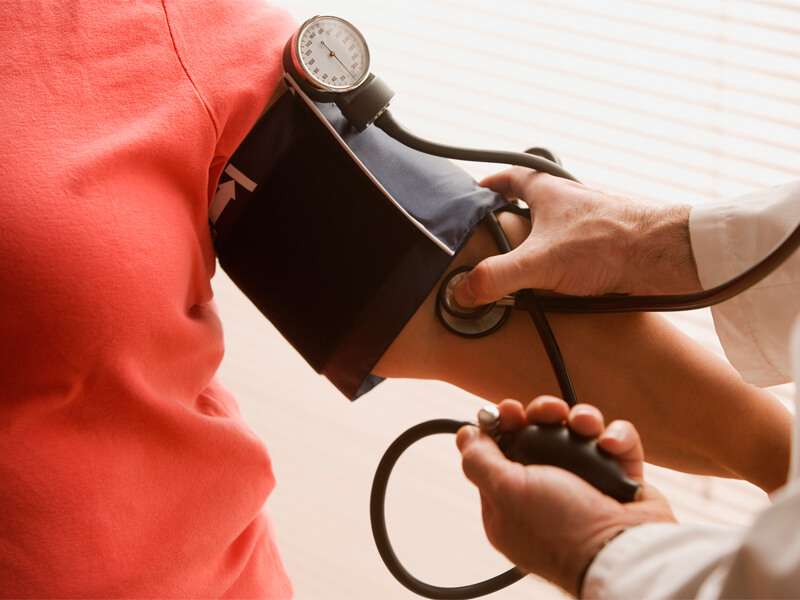
Respiratory infections encompass a wide range of conditions affecting the airways and lungs. These infections can be caused by viruses or bacteria and are prevalent particularly during colder months.
- Common symptoms include coughing, difficulty breathing, chest discomfort, and fever. It's crucial to monitor these symptoms closely as they can indicate more severe illnesses.
- Diseases like bronchitis or pneumonia may require specific diagnostic tests such as chest X-rays or sputum cultures to identify the causative agent.
- Treatment options vary depending on the type of infection but might include antibiotics for bacterial infections or supportive care for viral infections.
Most individuals recover with appropriate care; however, those with weakened immune systems should seek prompt medical attention to avoid complications.
DIABETES MELLITUS

Diabetes mellitus is a chronic condition characterized by elevated levels of glucose in the bloodstream. It primarily results from either insufficient insulin production or ineffective use of insulin by the body.
- The main types are Type 1 diabetes, often seen in children and young adults, and Type 2 diabetes, which typically develops later in life due to lifestyle factors.
- Symptoms may include increased thirst, frequent urination, extreme fatigue, and blurred vision.
- Diagnosis is generally made through blood tests measuring glucose levels or hemoglobin A1c levels.
- Treatment often encompasses dietary modifications, regular exercise, monitoring blood sugar levels, and potentially insulin therapy for some patients.
A structured approach to managing diabetes can significantly enhance quality of life and prevent long-term complications.
HYPERTENSION
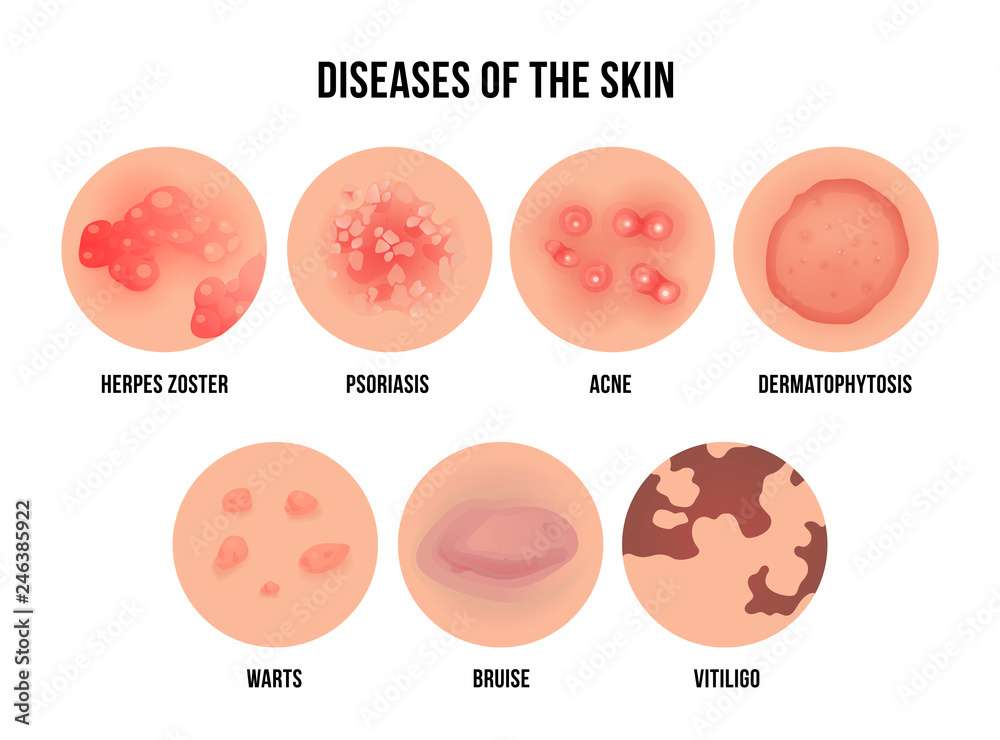
Hypertension, or high blood pressure, is a common condition where the force of blood against artery walls is consistently too high. This can lead to serious health issues, including heart disease and stroke.
- Symptoms often include headaches, shortness of breath, and nosebleeds, though many individuals may not experience any symptoms at all.
- It is usually diagnosed through regular blood pressure measurements taken during routine check-ups.
- Treatment and management options may involve lifestyle changes such as diet modifications, increased physical activity, and medications if necessary.
- Patients can expect regular monitoring of their blood pressure and potential adjustments in treatment based on their responses.
Effective management of hypertension can significantly reduce the risk of complications and improve overall health outcomes.