
Dr N Kamal Chowdh
About Me
Dr N Kamal Chowdh
MD
Diabetologist
10 Years Experience
Biography
My Clinic
OPD Hours
| Monday | Morning | 10:00 AM | - | 02:00 PM |
| Evening | 06:00 PM | - | 09:00 PM | |
| Tuesday | Morning | 10:00 AM | - | 02:00 PM |
| Evening | 06:00 PM | - | 09:00 PM | |
| Wednesday | Morning | 10:00 AM | - | 02:00 PM |
| Evening | 06:00 PM | - | 09:00 PM | |
| Thursday | Morning | 10:00 AM | - | 02:00 PM |
| Evening | 06:00 PM | - | 09:00 PM | |
| Friday | Morning | 10:00 AM | - | 02:00 PM |
| Evening | 06:00 PM | - | 09:00 PM | |
| Saturday | Morning | 10:00 AM | - | 02:00 PM |
| Evening | 06:00 PM | - | 09:00 PM | |
| Sunday | Morning | 10:00 AM | - | 02:00 PM |
| Evening | 06:00 PM | - | 09:00 PM |
Treatments
Specialised care and treatments offered
CONTINUOUS GLUCOSE MONITORING (CGM)
This innovative technology involves using a small sensor placed under the skin providing real-time data on glucose trends throughout the day and night. CGM offers dynamic insights beyond single finger-prick measurements facilitating proactive diabetes management strategies.
- Technology overview : Sensor measures interstitial glucose every few minutes transmitting data wirelessly to display devices like smartphones;
- Advantages : Alerts users about impending hypoglycemia or hyperglycemia enabling timely interventions minimizing risks ; also supports optimizing insulin dosing ; better long-term control reduces complications risks ; helpful during sleep when undetected lows are dangerous ; patient empowerment increases adherence ;
- Candidates : Particularly useful in Type 1 diabetes & some difficult-to-control Type 2 cases interested in tight glycemic targets ;
- Limitations : Calibration requirements vary per device type ; costs & accessibility may be concerns impacting usage frequency ; not standalone replacement for traditional monitoring yet enhances it significantly ;
Continuous Glucose Monitoring revolutionizes personalized care allowing earlier recognition patterns improving safety & outcomes effectively .
INSULIN PUMP THERAPY
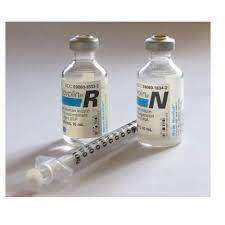
An advanced method for delivering insulin continuously beneath the skin allows more precise blood sugar control compared to multiple daily injections. This device-based therapy improves quality of life for many people managing diabetes actively.
- How it works: A small computerized pump delivers rapid-acting insulin through a catheter inserted subcutaneously throughout the day based on individual needs;
- Benefits : Provides steady basal insulin levels plus adjustable bolus doses at meal times enhancing flexibility & better mimics natural insulin release;
- Suitable candidates : Generally recommended for patients struggling with hypoglycemia unawareness or significant glucose variability despite optimized injections;
- Monitoring requirements : Frequent glucose measurements remain necessary along with periodic follow-ups ensuring proper settings adjustments;
- Potential drawbacks : Device malfunction risk mandates continuous vigilance; skin site infections possible if hygiene not maintained properly;
Overall this technology represents a valuable tool improving metabolic control while offering lifestyle adaptability when used correctly under medical supervision.
DIABETIC FOOT ULCERS
A frequent yet damaging consequence of chronic diabetes is the development of foot ulcers – wounds that heal poorly due to nerve damage and poor circulation. Understanding prevention and treatment can reduce risks significantly.
- Main causes include: Peripheral neuropathy causing loss of sensation leading to unnoticed injuries; peripheral arterial disease reducing blood flow impairing wound healing;
- Description: Ulcers often form on pressure points or areas exposed to repetitive trauma;
- Evolving problem: If untreated these ulcers risk infection progressing into deeper tissues risking amputation;
- Management : Regular foot inspection self-care; offloading pressure using special footwear; wound cleaning & dressings coupled with antibiotics for infections;
- Advanced strategies : May involve surgical intervention & vascular procedures;
Prevention remains paramount incorporating glycemic control alongside expert podiatric evaluations contributing toward limb preservation & improved quality of life.
HYPEROSMOLAR HYPERGLYCEMIC STATE (HHS)
This acute diabetic emergency predominantly affects individuals with Type 2 diabetes and is marked by extreme hyperglycemia without significant ketoacidosis. It develops over days to weeks due to inadequate insulin action combined with dehydration.
- Symptoms: Severe thirst, frequent urination leading to dehydration symptoms like dry mouth and weakness; neurological impairments such as confusion or seizures may appear later.
- Causative factors: Infections or other stressors causing increased glucose production alongside inadequate fluid intake are common triggers.
- Diagnostic criteria: Very high blood sugar readings typically exceeding 600 mg/dL along with elevated plasma osmolality without ketoacidosis presence on lab tests.
- Treatment approach: Requires intensive care management involving aggressive intravenous fluids correction followed by insulin administration once circulation stabilizes; also addressing underlying causes like infections carefully monitored through labs.
The gravity of HHS emphasizes timely recognition as well as thorough ongoing management for optimal recovery chances.
HYPOGLYCEMIA IN DIABETES
Hypoglycemia refers to abnormally low blood sugar levels which can occur unexpectedly in people managing diabetes. It is important to recognize and treat it promptly to avoid serious consequences.
- Symptoms: Shakiness, sweating, dizziness, hunger, irritability, confusion or even loss of consciousness.
- Causes: Excessive insulin administration, skipped meals, increased physical activity without adjusted medication or food intake.
- Diagnosis: Confirmed by measuring blood glucose levels typically below 70 mg/dL during symptomatic episodes.
- Treatment: Immediate intake of fast-acting carbohydrates such as glucose tablets or juice; severe cases may require glucagon injections or emergency care.
- Prevention: Consistent monitoring of blood sugar levels and careful adjustment of medications in consultation with healthcare providers are key steps.
A clear understanding of hypoglycemia empowers patients to manage their condition safely every day.
DIABETIC KETOACIDOSIS (DKA)
Diabetic Ketoacidosis is a serious and potentially life-threatening complication primarily seen in individuals with diabetes, particularly Type 1. It occurs when the body starts breaking down fats at an excessive rate, leading to the accumulation of ketones in the blood.
- Causes: Often triggered by infection, missed insulin doses, or severe illness.
- Symptoms: Include nausea, vomiting, abdominal pain, rapid breathing, fruity-scented breath, and confusion.
- Diagnosis: Blood tests revealing high blood glucose levels, presence of ketones in blood and urine, and acid-base imbalance.
- Treatment: Immediate hospitalization for fluid replacement, insulin therapy to reduce glucose and ketone levels, and correction of electrolyte imbalances.
- Prognosis: With prompt medical care, recovery is achievable; delays can lead to serious complications including coma.
This condition requires urgent attention but understanding its signs can facilitate timely intervention and better outcomes.