
Dr N R Hingorani
About Me
Dr N R Hingorani
General Physician
Biography
My Clinic
OPD Hours
| Tuesday | Morning | 10:00 AM | - | 02:00 PM |
| Evening | 06:00 PM | - | 09:00 PM | |
| Wednesday | Morning | 10:00 AM | - | 02:00 PM |
| Evening | 06:00 PM | - | 09:00 PM | |
| Thursday | Morning | 10:00 AM | - | 02:00 PM |
| Evening | 06:00 PM | - | 09:00 PM | |
| Friday | Morning | 10:00 AM | - | 02:00 PM |
| Evening | 06:00 PM | - | 09:00 PM | |
| Saturday | Morning | 10:00 AM | - | 02:00 PM |
| Evening | 06:00 PM | - | 09:00 PM | |
| Sunday | Morning | 10:00 AM | - | 02:00 PM |
| Evening | 06:00 PM | - | 09:00 PM | |
| Thursday | Morning | 10:00 AM | - | 02:00 PM |
| Evening | 06:00 PM | - | 09:00 PM |
Treatments
Specialised care and treatments offered
ANEMIA
Anemia is a condition characterized by a deficiency of red blood cells or hemoglobin in the blood. It can lead to fatigue and weakness among other symptoms. Understanding anemia types is vital for appropriate diagnosis and treatment options tailored to individual needs。
- Common symptoms include excessive fatigue,dizziness,or pale skin。
- Anemia diagnosis often requires complete blood count (CBC) tests alongside further assessments based on suspected causes。
- Treatment depends largely upon underlying causes; iron supplements might suffice while others require vitamin B12 injections or even transfusions。如果严重的话。
- Dietary adjustments focusing on iron-rich foods like meat、beans、and leafy greens assist in recovery periods。
With timely intervention,以及tailored therapies,many people overcome anemia相关问题并恢复活力。
COMMON COLD

The common cold is a viral infection affecting the upper respiratory tract. Although mild and self-limiting typically lasts about a week or two. Being aware of its symptoms helps individuals manage their health proactively during colder months when colds are more prevalent。
- Main symptoms() include nasal congestion,sore throat,coughing,and general malaise。
- Diagnosis generally relies on clinical evaluations based on reported symptoms rather than complex testing。
- Management focuses primarily on symptomatic relief through rest,hydration,and over-the-counter medications for pain或fever relief。
- Preventive measures like hand washing regularly和avoiding close contact with infected individuals help reduce transmission risk。
Though annoying,the common cold usually resolves without requiring extensive medical intervention。
GASTROESOPHAGEAL REFLUX DISEASE (GERD)
Gastroesophageal reflux disease (GERD) occurs when stomach acid frequently flows back into the esophagus. This reflux can cause irritation and discomfort over time if not treated adequately. Understanding GERD is essential for effective symptom management and improving quality of life.
- The primary symptom includes persistent heartburn accompanied by regurgitation of food or sour liquid in some cases.
- A healthcare provider may diagnose GERD through symptom evaluation alongside endoscopy or pH monitoring tests.
- Treatment often involves lifestyle changes such as diet modifications along with medications aimed at reducing stomach acid production。
- Surgery may be considered for severe cases where other treatments are ineffective or not tolerated well by the patient。
Catching GERD early allows individuals to make necessary adjustments before it leads to more serious complications like esophagitis or Barrett's esophagus。
SEASONAL ALLERGIES
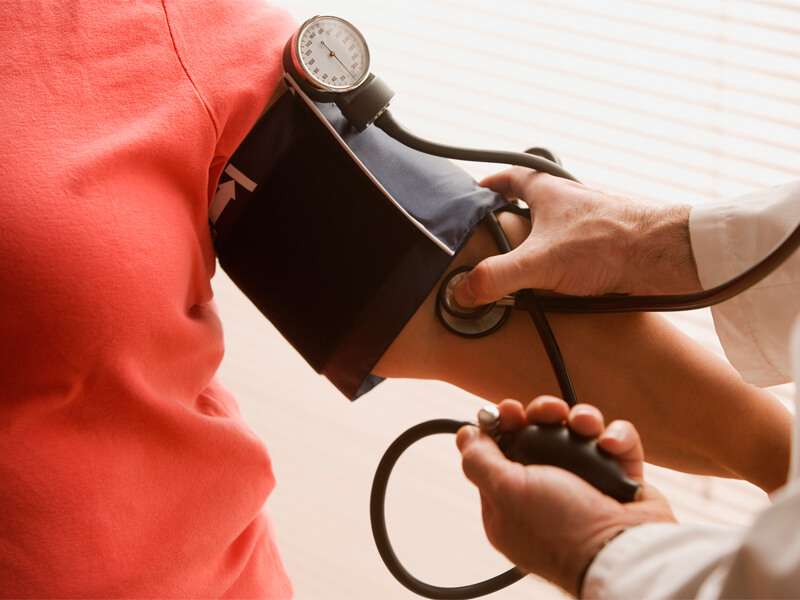
Seasonal allergies occur when the immune system overreacts to allergens like pollen from trees, grasses, and weeds. These allergies can significantly impact daily activities during certain times of the year. Understanding potential triggers is key for effective prevention and management.
- The most common symptoms include sneezing, itchy eyes, runny nose, and congestion.
- An accurate diagnosis often involves a physical exam along with allergy testing to identify specific allergens.
- Treatment options may range from antihistamines and nasal sprays to immunotherapy for long-term relief.
- Avoiding known allergens whenever possible plays an important role in managing symptoms effectively.
By proactively addressing these allergic reactions, individuals can enjoy their days without suffering from discomfort caused by seasonal allergies.
DIABETES MANAGEMENT
Diabetes is a chronic condition that affects how your body processes blood sugar (glucose). Effective management is crucial to prevent complications such as heart disease or nerve damage. Learning about diabetes helps empower individuals in their journey toward better health.
- Symptoms include increased thirst, frequent urination, extreme fatigue, and blurred vision.
- A diagnosis is usually confirmed through blood tests that check glucose levels.
- Treatment may involve dietary adjustments, regular physical activity, and insulin therapy as needed.
- A continuous glucose monitor (CGM) can aid in tracking blood sugar fluctuations throughout the day.
- Engaging with healthcare professionals regularly ensures personalized care tailored to individual needs.
With proper management strategies in place, those with diabetes can maintain good health and quality of life.
HYPERTENSION
Hypertension, or high blood pressure, is a common condition that can lead to serious health issues if left unmanaged. It often develops over many years and can affect nearly everyone eventually. Understanding its implications is essential for effective management.
- Symptoms may include headaches, shortness of breath, or nosebleeds, but often there are no noticeable signs.
- Diagnosis typically involves measuring blood pressure readings on multiple occasions to confirm the condition.
- Treatment options include lifestyle changes such as a healthier diet, regular exercise, and medication if necessary.
- Managing hypertension can significantly reduce the risk of heart disease, stroke, and kidney problems.
- Regular monitoring and follow-ups are crucial for adjusting treatment plans.
With proper care and adherence to treatment plans, individuals can lead healthy lives despite having hypertension.