
Dr Nagendra Shek
About Me
Dr Nagendra Shek
DO
Ophthalmologist
10 Years Experience
Biography
My Clinic
OPD Hours
| Monday | Morning | 10:00 AM | - | 02:00 PM |
| Evening | 06:00 PM | - | 09:00 PM | |
| Tuesday | Morning | 10:00 AM | - | 02:00 PM |
| Evening | 06:00 PM | - | 09:00 PM | |
| Wednesday | Morning | 10:00 AM | - | 02:00 PM |
| Evening | 06:00 PM | - | 09:00 PM | |
| Thursday | Morning | 10:00 AM | - | 02:00 PM |
| Evening | 06:00 PM | - | 09:00 PM | |
| Friday | Morning | 10:00 AM | - | 02:00 PM |
| Evening | 06:00 PM | - | 09:00 PM | |
| Saturday | Morning | 10:00 AM | - | 02:00 PM |
| Evening | 06:00 PM | - | 09:00 PM | |
| Sunday | Morning | 10:00 AM | - | 02:00 PM |
| Evening | 06:00 PM | - | 09:00 PM |
Treatments
Specialised care and treatments offered
REFRACTIVE ERROR CORRECTION
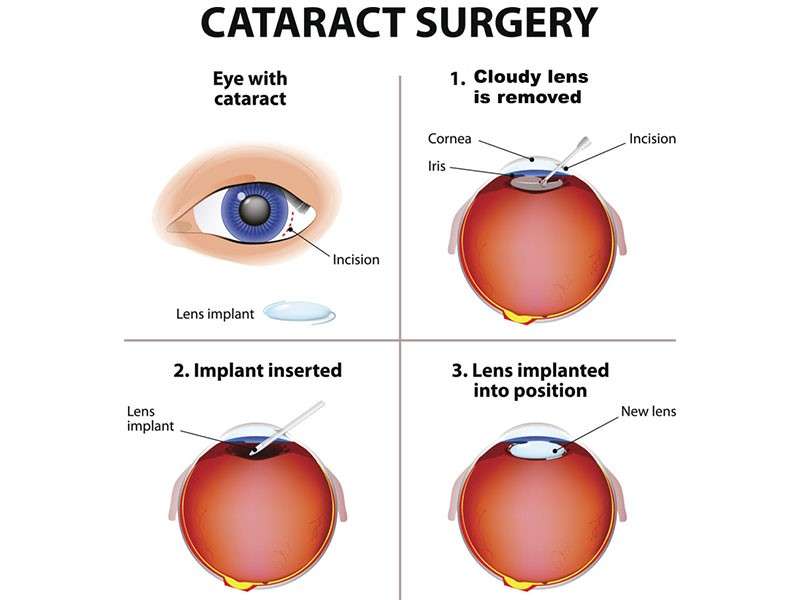
The eyes’ ability to focus images clearly depends on proper refraction. Refractive errors occur when this process falters resulting in blurred vision that impacts daily functioning. Addressing these errors improves overall quality of life substantially through non-surgical means initially.
AGE-RELATED MACULAR DEGENERATION (ARMD) PREVENTION
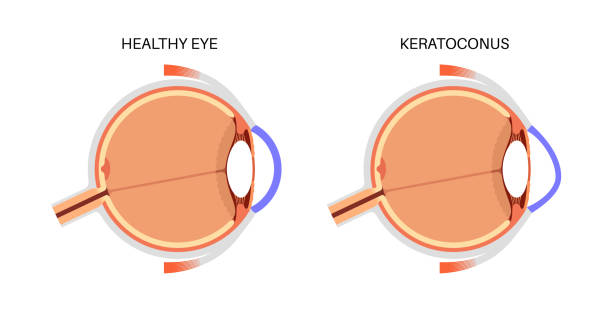
This condition affects central vision due to deterioration of the macula part of the retina primarily in older adults. Although there is no cure for ARMD currently available, preventive strategies play a vital role in reducing risk and slowing progression.
- The at-risk populations: Individuals over 50 years old with family history are especially vulnerable; smoking significantly increases risk as well.
- Lifestyle modifications: A diet rich in leafy greens and antioxidants coupled with regular exercise supports retinal health;
COMPUTER VISION SYNDROME

The growing use of digital devices has increased cases of Computer Vision Syndrome (CVS), causing visual discomfort related to prolonged screen exposure. Symptoms can significantly impact work productivity and quality of life.
- Main symptoms include: eye strain, blurred vision, dry eyes, headaches, neck or shoulder pain after extended device use.
- Causative factors: poor lighting conditions, improper viewing distances or angles, uncorrected vision problems exacerbate CVS effects.
- Treatment & prevention: Frequent breaks following the 20-20-20 rule (looking 20 feet away every 20 minutes for 20 seconds), ergonomic adjustments at workstations along with lubricating drops help alleviate symptoms effectively.
- User expectations: Most patients experience relief within days after adopting lifestyle modifications combined with any prescribed optical corrections like anti-reflective lenses.
Caring for your eyes during digital device usage can greatly minimize discomfort associated with computer vision strain preventing long-term issues.
GLAUCOMA SCREENING
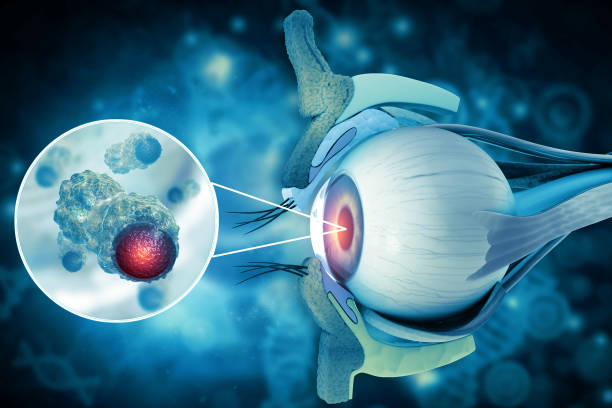
Glaucoma encompasses a group of eye diseases that damage the optic nerve and can lead to vision loss if untreated. Early detection through screening is crucial since symptoms often appear late.
- Risk factors & signs: Increased intraocular pressure, family history, age over 40 are common risks; vision changes usually occur in advanced stages.
- Screening methods: Comprehensive eye exams including tonometry (eye pressure measurement), optic nerve assessment via ophthalmoscopy, and visual field testing help identify glaucoma early.
- Treatment options: Initial management includes prescription eye drops or oral medications aimed at reducing pressure; laser therapy or surgery is reserved for advanced cases.
- The importance of monitoring: Regular follow-up exams enable timely adjustments in treatment plans preventing progression towards blindness.
A proactive approach with scheduled screenings offers the best chance for preserving sight against this silent yet potentially serious condition.
CONJUNCTIVITIS (PINK EYE)
Conjunctivitis refers to inflammation of the conjunctiva – the transparent membrane covering the white of the eye. It commonly presents as a red or pink discoloration accompanied by discharge or itching.
- Causes & symptoms: It can be caused by viral infections, bacteria, allergies or irritants; patients notice redness, swelling, and sometimes watery or sticky discharge.
- Diagnosis: Clinical examination is usually sufficient; swabs may be taken if bacterial infection is suspected for targeted treatment.
- Treatment approaches: Depending on cause - bacterial types may require antibiotic drops while viral forms usually resolve without medication; allergy-related cases benefit from antihistamines.
- Patient advice: Maintaining hygiene such as avoiding touching eyes and frequent hand washing helps prevent spread; recovery typically occurs within one to two weeks.
This condition is generally mild but should be evaluated promptly to determine appropriate care and avoid complications or transmission to others.
DRY EYE SYNDROME
Dry Eye Syndrome is a common condition where the eyes do not produce enough tears or the tears evaporate too quickly, leading to discomfort. It often results in irritation and redness that can affect daily activities.
- Symptoms and causes: Patients may experience burning sensations, scratchiness, or a feeling of something in the eye; causes include aging, environmental factors, and prolonged screen use.
- Diagnosis: An eye specialist evaluates tear production and quality through tests like Schirmer's test or tear film break-up time.
- Treatment options: Management generally involves artificial tears, lifestyle adjustments such as reducing screen time, humidifying indoor air, and occasionally prescription medications.
- What to expect: With proper care, symptoms often improve significantly; however, ongoing management may be necessary to prevent flare-ups.
The syndrome is manageable with consistent care and attention to environmental triggers. Prompt diagnosis helps maintain eye comfort and visual clarity over time.