
Dr Nagendra Sing
About Me
Dr Nagendra Sing
DO
Ophthalmologist
Biography
My Clinic
OPD Hours
| Monday | Morning | 10:00 AM | - | 02:00 PM |
| Evening | 06:00 PM | - | 09:00 PM | |
| Tuesday | Morning | 10:00 AM | - | 02:00 PM |
| Evening | 06:00 PM | - | 09:00 PM | |
| Wednesday | Morning | 10:00 AM | - | 02:00 PM |
| Evening | 06:00 PM | - | 09:00 PM | |
| Thursday | Morning | 10:00 AM | - | 02:00 PM |
| Evening | 06:00 PM | - | 09:00 PM | |
| Friday | Morning | 10:00 AM | - | 02:00 PM |
| Evening | 06:00 PM | - | 09:00 PM | |
| Saturday | Morning | 10:00 AM | - | 02:00 PM |
| Evening | 06:00 PM | - | 09:00 PM | |
| Sunday | Morning | 10:00 AM | - | 02:00 PM |
| Evening | 06:00 PM | - | 09:00 PM |
Treatments
Specialised care and treatments offered
DRY EYE SYNDROME TREATMENT
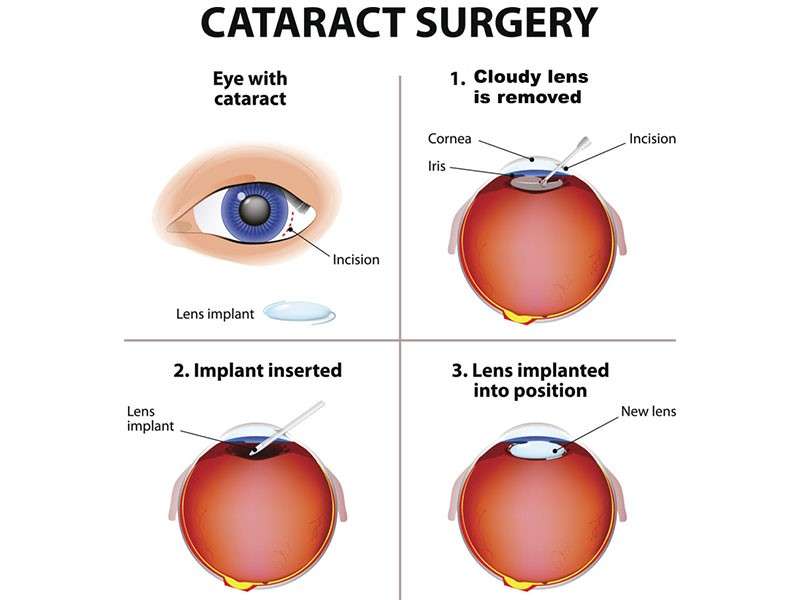
This widespread condition causes discomfort due to insufficient lubrication on the surface of the eyes. Chronic dry eyes can lead to irritation and more severe complications if untreated.
- Symptoms often manifest as a gritty sensation within the eyes along with redness or frequent tearing despite dryness
- Diagnosis involves evaluation through patient history alongside tear production tests during comprehensive examinations
- Management options vary; they range from over-the-counter artificial tears to prescription medications targeting inflammation
- Lifestyle adjustments such as increased humidity at home or protective eyewear can significantly alleviate symptoms too
With proactive management tailored per individual needs, many find considerable relief from dry eyes enhancing their daily comfort levels .
RETINAL DETACHMENT REPAIR
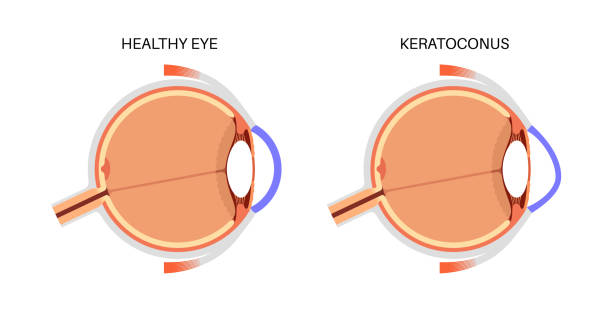
A retinal detachment occurs when the retina peels away from its underlying support tissue. This condition demands immediate medical attention to prevent permanent blindness
- Symptoms commonly reported include sudden flashes of light, floaters, or a shadow-like curtain over one’s visual field
- A thorough examination using fundus photography helps confirm diagnosis through visualization of the retina's position
- Treatment strategies generally involve either laser therapy or surgical procedures aimed at reattaching the retina securely
- Following repair procedures entails specific post-operative care instructions which are critical for full recovery
Timely intervention significantly enhances both functional outcomes and long-term prognosis after retinal detachment.
AGE-RELATED MACULAR DEGENERATION (AMD) CARE
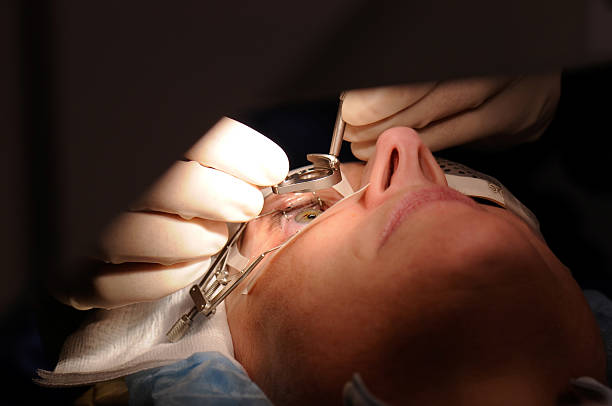
This progressive condition primarily affects older adults and leads to deterioration of the macula—the part of the eye responsible for sharp central vision. Recognizing AMD early is vital for effective management.
- Main symptoms include a gradual loss of central vision while peripheral vision remains intact; some may notice distortion or blurriness in their field of view.
- A comprehensive dilated eye exam aids in diagnosing AMD by assessing retinal health and identifying any changes characteristic of this condition.
- Treatments may include lifestyle modifications, nutritional supplements, or advanced therapies like injections depending on severity type (dry or wet AMD).
Although AMD can be challenging, ongoing research continues to offer new hope for maintaining quality eyesight as one ages.
DIABETIC RETINOPATHY TREATMENT
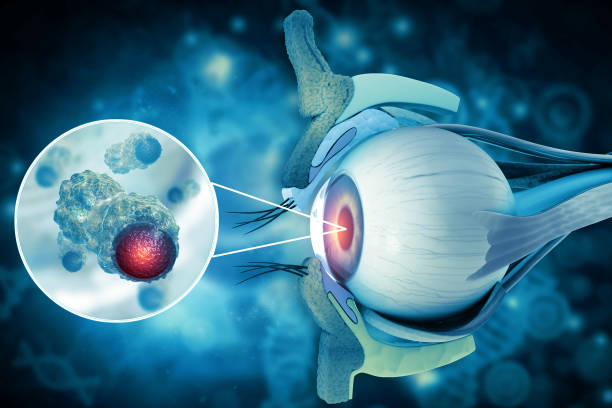
This condition arises from diabetes and affects the blood vessels in the retina. Over time, it can lead to serious vision issues if not appropriately addressed.
- Common symptoms include blurred vision, floaters, and sudden changes in sight; however, many individuals may initially be asymptomatic.
- A thorough eye exam including retinal imaging helps determine the presence and extent of retinopathy.
- Treatment approaches may involve laser therapy to prevent further damage or injections of medications into the eye for more severe cases.
- Controlling blood sugar levels is also crucial in managing this condition effectively over time.
With timely diagnosis and appropriate treatment interventions, preserving vision is possible for those affected by diabetic retinopathy.
GLAUCOMA MANAGEMENT
Glaucoma refers to a group of eye diseases that damage the optic nerve, often associated with elevated intraocular pressure. Early detection is crucial to prevent irreversible vision loss.
- Signs can include peripheral vision loss or tunnel vision; some patients experience no symptoms until significant damage has occurred.
- Diagnosis usually involves measuring intraocular pressure as well as examining the optic nerve's appearance through dilated eye examinations.
- Treatment options range from prescription eye drops to lower eye pressure to surgical procedures for advanced cases.
- Regular monitoring and compliance with treatment plans are essential for managing this chronic condition effectively.
With proper management, many individuals with glaucoma can maintain their vision for years without significant deterioration.
CATARACT SURGERY
Cataracts are a common condition that leads to clouding of the lens in the eye, often resulting in blurred vision. They can develop gradually and may affect daily activities such as reading and driving.
- The main symptoms include blurry or dim vision, glare from lights, and fading colors.
- Diagnosis typically involves a comprehensive eye examination, including visual acuity tests and examination of the lens with a slit lamp.
- Surgical intervention is the most effective treatment, wherein the cloudy lens is removed and replaced with an artificial intraocular lens.
- Post-operative care includes using prescribed eye drops and regular follow-up visits to monitor healing.
- Most patients notice significant improvement in vision soon after surgery, with minimal discomfort expected.
Cataract surgery is highly successful, allowing many individuals to regain their quality of life by improving their eyesight.