
Dr Nagesh Binjoo
About Me
Dr Nagesh Binjoo
MBBS
General Physician
10 Years Experience
Biography
My Clinic
OPD Hours
| Monday | Morning | 10:00 AM | - | 02:00 PM |
| Evening | 06:00 PM | - | 09:00 PM | |
| Tuesday | Morning | 10:00 AM | - | 02:00 PM |
| Evening | 06:00 PM | - | 09:00 PM | |
| Wednesday | Morning | 10:00 AM | - | 02:00 PM |
| Evening | 06:00 PM | - | 09:00 PM | |
| Thursday | Morning | 10:00 AM | - | 02:00 PM |
| Evening | 06:00 PM | - | 09:00 PM | |
| Friday | Morning | 10:00 AM | - | 02:00 PM |
| Evening | 06:00 PM | - | 09:00 PM | |
| Saturday | Morning | 10:00 AM | - | 02:00 PM |
| Evening | 06:00 PM | - | 09:00 PM | |
| Sunday | Morning | 10:00 AM | - | 02:00 PM |
| Evening | 06:00 PM | - | 09:00 PM |
Treatments
Specialised care and treatments offered
THYROID DISORDER SCREENING AND TREATMENT
The thyroid gland regulates many body functions through hormone secretion. Disorders can manifest as either underactive or overactive thyroid states affecting overall metabolism balance significantly.
- Symptoms & Causes : Fatigue , weight changes , mood fluctuations ; caused by autoimmune diseases , iodine imbalance or nodules .
- Diagnostic Evaluation : Blood tests measuring TSH , T3 , T4 levels aid diagnosis ; ultrasound imaging sometimes required .
- Treatment Modalities : Medication adjusts hormone levels depending on whether hypothyroidism or hyperthyroidism is present ; surgery rare .
- Follow-up Care : Regular monitoring ensures hormones remain balanced preventing symptom recurrence .
Early identification through screening allows timely intervention minimizing long-term impacts on health related to thyroid dysfunctions .
CHRONIC OBSTRUCTIVE PULMONARY DISEASE (COPD) SUPPORT

COPD is a progressive lung disease that obstructs airflow making breathing difficult. Early recognition and ongoing support improve patient comfort and slow progression rates.
- Common Manifestations : Chronic cough , sputum production , shortness of breath ; primarily linked to smoking history .
- Diagnostic Tools : Spirometry confirms airflow obstruction ; chest X-rays might be used to exclude other conditions .
- Management Plans : Smoking cessation , inhaled bronchodilators , pulmonary rehabilitation , oxygen therapy if required .
- Prognosis Expectations : While irreversible , symptoms can be managed well allowing better daily functioning .
Committing to treatments prescribed along with lifestyle adjustments helps reduce flare-ups improving quality of life despite COPD’s chronic nature .
ANEMIA EVALUATION AND MANAGEMENT

Anemia results from a deficiency in red blood cells or hemoglobin causing reduced oxygen delivery in the body. Identifying the cause helps guide effective treatment plans.
- Syndrome Overview: Symptoms include fatigue, pallor, shortness of breath; causes vary from nutritional deficiencies to chronic diseases or bleeding disorders.
- Diagnostic Workup: Complete blood count (CBC), iron studies, vitamin B12 levels among others assist in pinpointing etiology.
- Treatment Options: Iron supplements for iron-deficiency anemia; vitamin replacement or treating underlying causes accordingly.
- Description of Outcome: Response to therapy can take weeks but usually leads to symptom improvement when appropriate measures are taken timely.
Anemia is manageable once its roots are identified through comprehensive evaluation followed by targeted intervention maintaining patient wellbeing effectively over time.
ACUTE RESPIRATORY INFECTION (ARI) TREATMENT
The common cold and other acute respiratory infections frequently affect people worldwide. Most cases resolve without complication but may need supportive care depending on severity.
- Symptoms & Causes: Typical symptoms include cough, sore throat, nasal congestion; viral infections are the most usual cause.
- Assessment Methods: Clinical evaluation primarily; laboratory tests rarely needed unless bacterial infection suspected.
- Therapeutic Approach: Symptomatic relief with fluids, rest, analgesics; antibiotics only if bacterial infection confirmed.
- Precautions & Follow-up: Watch for worsening symptoms such as high fever or difficulty breathing which might require further intervention.
Mild acute respiratory infections generally improve within a week with proper home care and medical guidance as needed to avoid complications.
DIABETES MELLITUS TYPE 2 CARE

Type 2 diabetes involves the body's ineffective use of insulin leading to elevated blood sugar levels. Proper management reduces the risk of severe complications over time.
- Indicators & Causes: May present with increased thirst, frequent urination, fatigue; commonly related to obesity and sedentary lifestyle.
- Diagnostic Criteria: Blood tests such as fasting glucose and HbA1c help confirm diagnosis.
- Treatment Strategies: Focus on lifestyle improvements including weight loss and diet regulation; medications like metformin are often prescribed.
- Disease Monitoring: Regular examination of blood glucose levels and screening for complications like neuropathy or retinopathy are crucial.
A collaborative approach involving diet adjustment, physical activity, medication adherence, and frequent check-ups offers the best outcomes for managing Type 2 diabetes effectively.
HYPERTENSION MANAGEMENT
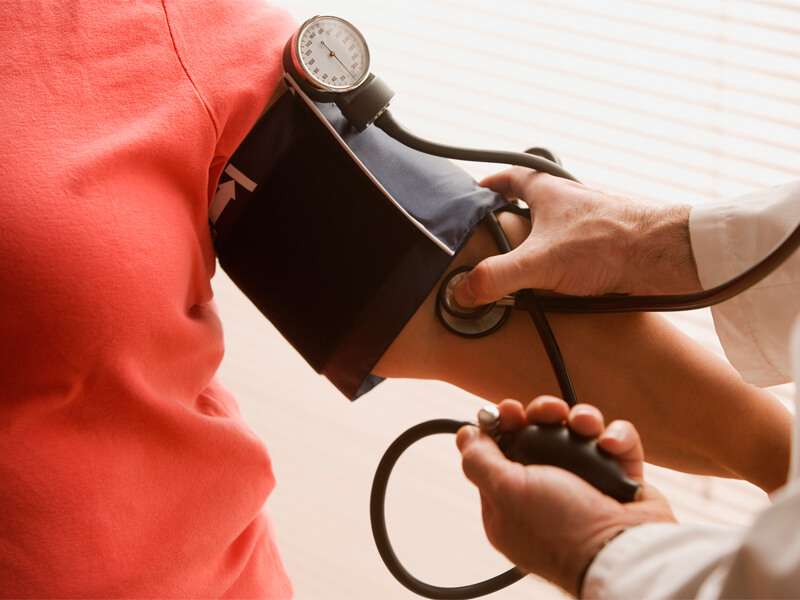
High blood pressure, or hypertension, is a common condition that can lead to serious health problems if left untreated. Managing hypertension effectively involves lifestyle changes and sometimes medication.
- Symptoms & Causes: Often asymptomatic but may cause headaches or dizziness; caused by genetics, diet, stress, or other medical conditions.
- Diagnosis: Measured repeatedly with a blood pressure cuff; sometimes ambulatory monitoring is used for accuracy.
- Treatment: Includes dietary adjustments like reducing salt intake, regular exercise, stress management, and antihypertensive medications when necessary.
- Management: Regular monitoring is key to prevent complications such as heart disease or stroke.
- Expectations: With consistent care, blood pressure can be controlled to reduce long-term risks significantly.
Taking proactive steps towards controlling high blood pressure greatly improves overall heart health and quality of life.