
Dr Nair Chandrashekar C
About Me
Dr Nair Chandrashekar C
Cardiologist
Biography
My Clinic
OPD Hours
| Tuesday | Morning | 10:00 AM | - | 02:00 PM |
| Evening | 06:00 PM | - | 09:00 PM | |
| Wednesday | Morning | 10:00 AM | - | 02:00 PM |
| Evening | 06:00 PM | - | 09:00 PM | |
| Thursday | Morning | 10:00 AM | - | 02:00 PM |
| Evening | 06:00 PM | - | 09:00 PM | |
| Friday | Morning | 10:00 AM | - | 02:00 PM |
| Evening | 06:00 PM | - | 09:00 PM | |
| Saturday | Morning | 10:00 AM | - | 02:00 PM |
| Evening | 06:00 PM | - | 09:00 PM | |
| Sunday | Morning | 10:00 AM | - | 02:00 PM |
| Evening | 06:00 PM | - | 09:00 PM | |
| Thursday | Morning | 10:00 AM | - | 02:00 PM |
| Evening | 06:00 PM | - | 09:00 PM |
Treatments
Specialised care and treatments offered
CARDIAC CATHETERIZATION

Cardiac catheterization is a critical procedure that facilitates direct access to coronary arteries through catheter insertion. It serves both diagnostic and interventional purposes in managing various cardiovascular ailments effectively.
- Symptoms : Typically recommended for those exhibiting severe cardiac symptoms such as persistent angina or unusual shortness of breath that isn't resolved with conservative management approaches.
- Diagnosis : Using fluoroscopy guidance alongside contrast media injection assists clinicians by offering clear images indicating occluded areas requiring intervention based on findings captured during examination across multiple arterial segments assessed simultaneously throughout one session without additional surgery needed unless necessary thereafter decision made collectively amongst specialists involved afterwards accordingly!
- Treatment options : Potentially entails performing angioplasty/stenting if significant narrowing exists after thorough evaluation takes place prior utilizing these approaches responsibly amid ongoing adjustments from there onward consistently until optimal outcomes attained over time span necessary achieving desired levels each respective individual’s care plan crafted strategically tailored making progress towards improved wellness overall!
The entire process lasts approximately several hours depending upon complexity level obtained initially beforehand confirmed beforehand beforehand undergone while being monitored closely throughout recovery phase afterwards ensuring all goes smoothly afterward!
ANGIOGRAM
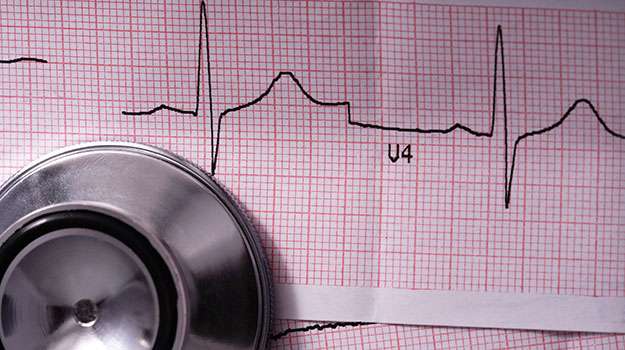
An angiogram is a specialized X-ray technique used primarily for visualizing blood vessels in detail. This test helps identify blockages or abnormalities in blood flow that could lead to serious cardiovascular conditions.
- Symptoms: Individuals who present with chest pain or have known risk factors may be advised to undergo this investigation after initial assessments suggest possible arterial blockages.
- Diagnosis : A catheter is inserted through an artery in your groin or wrist and guided toward the target area where contrast dye is injected—highlighting blood vessels on X-ray images.
- Treatment options : Results can lead directly into treatment procedures such as stenting if significant obstructions are noted during imaging sessions.
- What to expect : Patients receive local anesthesia at insertion sites; recovery time varies but typically involves close monitoring post-procedure for any potential complications arising from catheter insertion.
Overall, angiograms deliver invaluable insight regarding vascular health tied closely with cardiovascular diseases’ management strategies moving forward.
CARDIAC MRI
A cardiac MRI (Magnetic Resonance Imaging) offers detailed images of the heart's structures using magnetic fields and radio waves. This advanced imaging technique helps diagnose various cardiac conditions with high precision.
- Symptoms: It's particularly beneficial for detecting issues related to congenital defects or assessing areas of damage post-myocardial infarction (heart attack).
- Diagnosis: The process does not involve radiation; instead, it captures comprehensive views of both blood vessels and tissues within the heart structure through multiple angles.
- Treatment options: Based on MRI findings, recommendations may include close monitoring or specific therapies tailored to address identified abnormalities.
- What to expect : During this outpatient procedure lasting about an hour, patients must remain still inside a tube-like machine; ear protection is provided due to noise generated by scanning equipment.
This imaging technique greatly enhances diagnostic accuracy while minimizing patient risk factors compared with traditional methods involving radiation exposure.
STRESS TEST
A stress test evaluates how well your heart functions under physical stress. It typically involves walking on a treadmill while heart rate and rhythm are monitored. This assessment is vital for diagnosing various cardiovascular issues.
- Symptoms: Physicians recommend this test when patients exhibit symptoms such as angina or unexplained fatigue during physical exertion.
- Diagnosis: The test monitors heart performance through EKG readings during increased activity levels and helps identify ischemic changes that may occur under strain.
- Treatment options: Depending on results from the stress test, treatment might range from lifestyle changes to interventions like angioplasty if significant blockages are detected.
- What to expect: Patients should prepare for a light meal before the test and wear comfortable clothing; they will be closely monitored throughout the testing procedure for safety.
HOLTER MONITOR
A Holter monitor is an essential device for continuous monitoring of the heart’s electrical activity over an extended period, usually 24 to 48 hours. This portable ECG allows doctors to capture irregularities that may not be evident during a standard examination.
- Symptoms: It is commonly used for patients reporting intermittent symptoms like dizziness or unexplained fainting episodes.
- Diagnosis: Patients wear the monitor attached to electrodes placed on their chest; it records every heartbeat throughout their daily activities.
- Treatment options: Based on findings from the data collected, healthcare providers may recommend specific treatments such as medication or lifestyle modifications.
- What to expect: Wearing the device is generally comfortable; however, patients are advised to maintain normal activities while avoiding bathing until it is removed.
This diagnostic test aids significantly in understanding arrhythmias or other cardiac conditions more comprehensively.
ECHOCARDIOGRAM
An echocardiogram is a crucial diagnostic tool used to visualize the heart's structure and function. This non-invasive test utilizes sound waves to create detailed images of the heart, allowing healthcare providers to assess its size, shape, and motion.
- Symptoms: Echocardiograms are often recommended for patients experiencing symptoms like chest pain, shortness of breath, or palpitations.
- Diagnosis: The procedure involves placing a transducer on the chest that emits sound waves, which bounce off the heart and produce live images.
- Treatment options: Depending on the findings, further management may include medication adjustments, lifestyle changes, or referrals to specialists.
- What to expect: Patients can anticipate a painless experience lasting approximately 30-60 minutes, with results typically discussed shortly after.
This examination plays a vital role in diagnosing various heart conditions and guiding treatment plans effectively.