
Dr Nand Lal Tiwar
About Me
Dr Nand Lal Tiwar
MBBS
General Physician
Biography
My Clinic
OPD Hours
| Monday | Morning | 10:00 AM | - | 02:00 PM |
| Evening | 06:00 PM | - | 09:00 PM | |
| Tuesday | Morning | 10:00 AM | - | 02:00 PM |
| Evening | 06:00 PM | - | 09:00 PM | |
| Wednesday | Morning | 10:00 AM | - | 02:00 PM |
| Evening | 06:00 PM | - | 09:00 PM | |
| Thursday | Morning | 10:00 AM | - | 02:00 PM |
| Evening | 06:00 PM | - | 09:00 PM | |
| Friday | Morning | 10:00 AM | - | 02:00 PM |
| Evening | 06:00 PM | - | 09:00 PM | |
| Saturday | Morning | 10:00 AM | - | 02:00 PM |
| Evening | 06:00 PM | - | 09:00 PM | |
| Sunday | Morning | 10:00 AM | - | 02:00 PM |
| Evening | 06:00 PM | - | 09:00 PM |
Treatments
Specialised care and treatments offered
GASTROESOPHAGEAL REFLUX DISEASE (GERD)
This chronic digestive condition arises when stomach acid flows back into the esophagus causing irritation resulting multiple troublesome symptoms requiring attention! Recognizing early signs helps ensure proper diagnosis & prompts timely intervention before complications arise affecting quality living routines potentially knowledge gain through understanding treatment principles underlying GERD!
SEASONAL ALLERGIES

An increasingly common concern for many individuals are seasonal allergies triggered by pollen from plants during certain times of the year. Effectively addressing these allergies is essential for maintaining comfort during peak seasons when symptoms might intensify further impacting daily activities or productivity inside/outside homes/offices alike!
CHOLESTEROL MANAGEMENT

Elevated cholesterol levels can significantly increase the risk of cardiovascular diseases. Understanding cholesterol management is vital for maintaining heart health. This often involves lifestyle adjustments along with possible medical interventions when necessary.
- Symptoms: High cholesterol usually has no clear symptoms but may lead to serious complications like heart attacks or strokes if untreated over time;
OBESITY MANAGEMENT
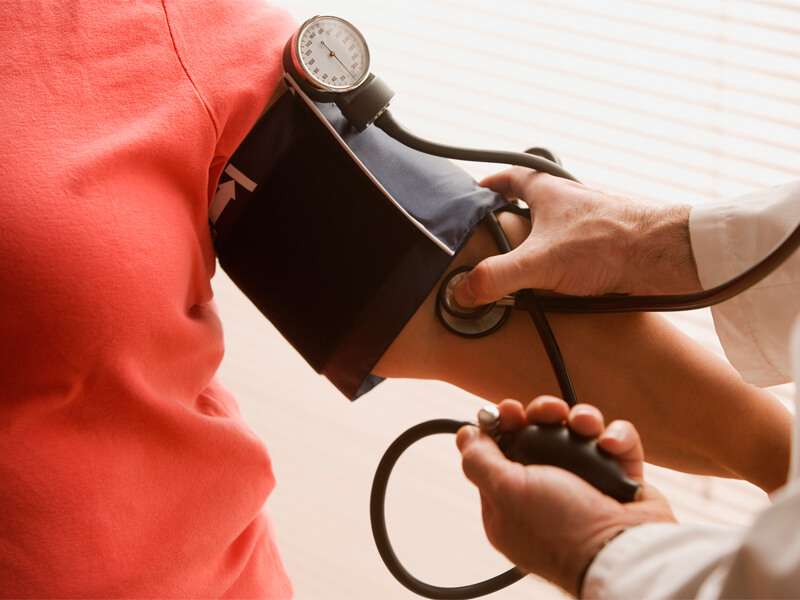
Obesity is identified by an excess accumulation of fat that may impair health. It poses significant risks such as heart disease and diabetes. Understanding effective weight management strategies is crucial for individuals facing this challenge.
- Symptoms: A body mass index (BMI) over 30 categorizes someone as obese; associated symptoms might include joint pain or fatigue due to excess weight burden on the body.
- Causes: A combination of genetic predisposition, sedentary lifestyle choices, and unhealthy eating habits contribute significantly to obesity's development.
- Diagnosis: Diagnosis typically involves calculating BMI alongside a health assessment regarding diet and physical activity levels.
- Treatment options: Programs focusing on nutritional education, structured exercise regimes, behavioral therapy techniques are all beneficial in promoting sustainable weight loss.
- What to expect: Continuous support from healthcare providers aids individuals in achieving personal goals while fostering healthier lifestyles over time.
The right approach can yield positive results in both physical well-being and overall quality of life when tackling obesity.
TYPE 2 DIABETES MANAGEMENT

Type 2 diabetes is a long-term metabolic disorder that affects how your body processes glucose. It is often associated with obesity and can be influenced by lifestyle factors. Understanding this condition is vital for effective management.
- Symptoms: Common symptoms include increased thirst, frequent urination, hunger pangs, fatigue, and blurred vision.
- Causes: Insulin resistance along with various genetic and environmental factors contribute to its onset. Poor diet and inactivity are significant modifiable risk factors.
- Diagnosis: Blood tests measuring glucose levels serve as critical diagnostic tools for identifying diabetes.
- Treatment options: Lifestyle changes such as improved diet and increased physical activity are essential; medications may also be prescribed if necessary.
- What to expect: With diligent management including regular monitoring of blood glucose levels, individuals can lead healthy lives while managing their diabetes effectively.
The journey requires commitment but can lead to better health outcomes through informed choices and regular follow-ups.
HYPERTENSION

Hypertension, commonly known as high blood pressure, is a prevalent condition that can lead to severe health issues if left unmanaged. It occurs when the force of blood against the artery walls is consistently too high. Lifestyle factors play a significant role in its management.
- Symptoms: Often, hypertension does not present obvious symptoms; however, some may experience headaches, shortness of breath, or nosebleeds.
- Causes: Factors contributing to hypertension include obesity, lack of physical activity, excessive salt intake, and chronic stress.
- Diagnosis: Blood pressure readings taken with a sphygmomanometer during routine checkups help diagnose this condition.
- Treatment options: Management typically involves lifestyle modifications such as dietary changes, regular exercise, and in some cases, medication to help lower blood pressure.
- What to expect: Regular monitoring and adherence to treatment are pivotal for effective management and reducing the risk of complications like heart disease.
The key to managing hypertension lies in recognizing it early and adopting healthy lifestyle choices to maintain optimal blood pressure levels.