
Dr Nandkumar Suryakant Chonkar
About Me
Dr Nandkumar Suryakant Chonkar
Cardiologist
Biography
My Clinic
OPD Hours
| Tuesday | Morning | 10:00 AM | - | 02:00 PM |
| Evening | 06:00 PM | - | 09:00 PM | |
| Wednesday | Morning | 10:00 AM | - | 02:00 PM |
| Evening | 06:00 PM | - | 09:00 PM | |
| Thursday | Morning | 10:00 AM | - | 02:00 PM |
| Evening | 06:00 PM | - | 09:00 PM | |
| Friday | Morning | 10:00 AM | - | 02:00 PM |
| Evening | 06:00 PM | - | 09:00 PM | |
| Saturday | Morning | 10:00 AM | - | 02:00 PM |
| Evening | 06:00 PM | - | 09:00 PM | |
| Sunday | Morning | 10:00 AM | - | 02:00 PM |
| Evening | 06:00 PM | - | 09:00 PM | |
| Thursday | Morning | 10:00 AM | - | 02:00 PM |
| Evening | 06:00 PM | - | 09:00 PM |
Treatments
Specialised care and treatments offered
CONGESTIVE HEART FAILURE

Congestive heart failure occurs when the heart muscle is unable to pump sufficiently to maintain adequate blood flow throughout the body. This condition leads to fluid accumulation in lungs and other tissues causing discomfort among affected individuals。
- The most common symptoms include shortness of breath during exertion, persistent coughing, fatigue, and swelling in legs or abdomen due to fluid retention。
- A thorough evaluation by healthcare professionals along with diagnostic imaging techniques aids in confirming this condition's presence。
- Management focuses on both pharmacological therapies—like ACE inhibitors—and non-pharmacological strategies involving diet modifications targeting sodium reduction。
Continuous monitoring allows adjustments ensuring optimal control over symptoms thus enhancing quality-of-life!
CHOLESTEROL MANAGEMENT
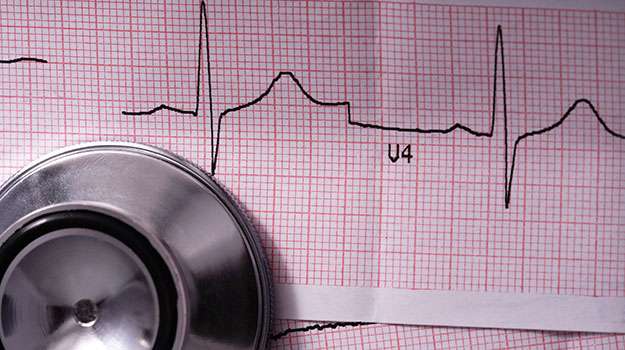
Managing cholesterol levels is essential for maintaining cardiovascular health. Elevated cholesterol can lead to the development of plaque in arteries, increasing the risk of various heart diseases over time.
- The main concern arises from high levels of low-density lipoprotein (LDL), known as 'bad' cholesterol; however, symptoms are often non-specific until serious conditions develop.
- A lipid panel test helps diagnose cholesterol levels accurately through a simple blood test conducted during routine check-ups.
- Treatment primarily involves dietary changes aimed at reducing saturated fats coupled with possible medication prescriptions like statins if lifestyle changes are inadequate alone.
- Your healthcare provider will work closely with you to tailor a management plan that considers personal risk factors and lifestyle preferences for optimal results over time.
Taking charge of your cholesterol levels today plays a vital role in safeguarding against future cardiac events while promoting overall well-being!
ATRIAL FIBRILLATION
Atrial fibrillation is a common type of irregular heartbeat that affects millions worldwide. It can result in inefficient pumping of blood and increase the risk of stroke if not adequately managed.
- This condition often leads to symptoms such as a rapid heartbeat, dizziness, or weakness after physical activity.
- An accurate diagnosis is achieved through an electrocardiogram (ECG) which monitors electrical activity in the heart.
- Treatment strategies might involve medications for rate control and rhythm restoration alongside lifestyle adaptations like avoiding stimulants.
- Your doctor may also suggest approaches like cardioversion if medication alone is insufficient for managing your symptoms effectively.
A proactive strategy towards managing atrial fibrillation can greatly enhance your quality of life while minimizing associated health risks.
HEART VALVE DISORDERS
Heart valve disorders involve problems with one or more of the four valves in the heart that regulate blood flow. This can result in insufficient or excessive blood flow within the heart chambers.
- The symptoms vary widely but may include palpitations, fatigue, and swelling in extremities.
- A healthcare provider usually confirms a diagnosis through echocardiograms or chest X-rays.
- Treatment options may consist of medications for symptom relief or surgical interventions such as valve repair or replacement when necessary.
- Persistent monitoring is essential to manage symptoms effectively and assess for any changes in valve function over time.
A timely approach to treating heart valve disorders can lead to improved cardiac function and overall health outcomes for patients.
HYPERTENSION
Hypertension, commonly referred to as high blood pressure, often develops over many years and can lead to severe health issues if left untreated. It places significant strain on the heart and arteries.
- Common symptoms might not be apparent; some individuals experience headaches or nosebleeds.
- A diagnosis can be made through regular blood pressure readings taken with a sphygmomanometer.
- Treatment focuses on lifestyle modifications, such as diet and exercise, along with medications that help control blood pressure levels.
- Regular follow-up consultations are important for adjusting treatment plans based on your individual response.
Effective management of hypertension can significantly enhance quality of life and reduce the risk of serious conditions like stroke or heart attack.
CORONARY ARTERY DISEASE
Coronary artery disease (CAD) is a condition that occurs when the coronary arteries become narrowed or blocked, often due to plaque buildup. This restricts blood flow to the heart and can lead to serious complications like heart attacks.
- Symptoms may include chest pain (angina), shortness of breath, and fatigue.
- Diagnosis typically involves tests such as electrocardiograms (ECG), stress tests, or angiography.
- Treatment options vary and may include lifestyle changes, medication, or procedures such as angioplasty or coronary artery bypass surgery.
- Managing CAD often requires ongoing care and regular monitoring to prevent progression.
Understanding CAD is crucial for effective management and reducing risks associated with heart disease.