
Dr Narayan Jayashankar
About Me
Dr Narayan Jayashankar
Cardiologist
Biography
My Clinic
OPD Hours
| Tuesday | Morning | 10:00 AM | - | 02:00 PM |
| Evening | 06:00 PM | - | 09:00 PM | |
| Wednesday | Morning | 10:00 AM | - | 02:00 PM |
| Evening | 06:00 PM | - | 09:00 PM | |
| Thursday | Morning | 10:00 AM | - | 02:00 PM |
| Evening | 06:00 PM | - | 09:00 PM | |
| Friday | Morning | 10:00 AM | - | 02:00 PM |
| Evening | 06:00 PM | - | 09:00 PM | |
| Saturday | Morning | 10:00 AM | - | 02:00 PM |
| Evening | 06:00 PM | - | 09:00 PM | |
| Sunday | Morning | 10:00 AM | - | 02:00 PM |
| Evening | 06:00 PM | - | 09:00 PM | |
| Thursday | Morning | 10:00 AM | - | 02:00 PM |
| Evening | 06:00 PM | - | 09:00 PM |
Treatments
Specialised care and treatments offered
HEART VALVE DISORDERS

Your heart valves play a key role in directing blood flow through the chambers. Disorders affecting these valves can lead to various complications ranging from mild discomforts to severe implications.
- You might experience symptoms including fatigue after exertion, difficulty breathing during daily activities or at rest depending on severity level - pay attention!
- The doctor generally recommends tests like echocardiograms for at-risk patients who exhibit worrying signs suggesting valve dysfunctions should be monitored closely enough.
- Treatments vary widely; they may encompass strict monitoring combined with medication management through diuretics – but surgical interventions might also be necessary if deemed fit after evaluations.
This highlights how crucial it is that one stays informed about any evolving concerns regarding their health status related directly concerning cardiovascular functioning!
CHOLESTEROL MANAGEMENT
Managing cholesterol levels is vital for maintaining cardiovascular health. High cholesterol increases the risk of coronary artery disease and other heart-related problems.
- No obvious symptoms are often present until significant issues arise; hence regular screenings are important for early detection based on age and risk factors.
- Diets high in saturated fat can contribute significantly; thus living a balanced lifestyle rich in fruits, vegetables, whole grains helps maintain healthy levels.
- If dietary changes alone aren't enough, medications such as statins may be recommended by your healthcare provider following comprehensive assessment procedures.
A commitment to monitoring your cholesterol regularly empowers you to take charge of your health proactively over time!
ARRHYTHMIA
An arrhythmia refers to an irregular heartbeat that can disrupt normal blood flow. While some arrhythmias are harmless, others can be life-threatening if unattended.
- Sufferers may feel symptoms ranging from palpitations, dizziness, fainting spells, or even a sense of impending doom in severe cases.
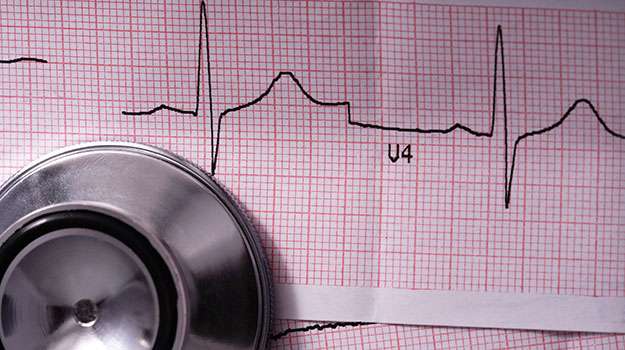
- The diagnosis generally includes an ECG (electrocardiogram) to monitor electrical activity in the heart over time through Holter monitoring if needed.
- Treatment options might range from lifestyle recommendations to medications that regulate heart rate; procedures like catheter ablation could also be advised for specific types of arrhythmias.
Understanding your unique situation can empower you towards effective management of arrhythmias with appropriate medical support.
HEART FAILURE
Heart failure happens when the heart cannot pump blood effectively to meet the body's needs. This serious condition requires ongoing management and care from healthcare professionals.
- You may experience symptoms such as wheezing, persistent cough, fatigue, fluid retention leading to swelling in your legs or abdomen, and difficulty breathing during activities or while lying down.
- The diagnosis often includes a physical examination, along with imaging tests like echocardiography or chest X-rays to evaluate heart function.
- Treatment strategies may involve a combination of lifestyle modifications, medications like beta-blockers or ACE inhibitors, along with possible surgical interventions if necessary.
- A focus on managing underlying conditions like hypertension or diabetes is also critical in managing heart failure effectively.
Caring for heart failure involves working closely with healthcare providers for optimal results over time.
CORONARY ARTERY DISEASE (CAD)
Coronary artery disease occurs when the blood vessels supplying the heart become narrowed or blocked. This condition can lead to chest pain and heart attacks if not addressed appropriately.
- The primary symptoms include chest pain (angina), fatigue, and shortness of breath during physical activity.
- CAD is commonly diagnosed using tests such as stress tests, angiograms, or echocardiograms to assess blood flow to the heart.
- Treatment typically involves lifestyle changes, medications to manage cholesterol levels, and in some cases, procedures like angioplasty or bypass surgery.
- A comprehensive approach focusing on diet, exercise, and regular medical checkups will support long-term heart health.
Awareness and proactive management can greatly enhance outcomes for individuals with CAD.
HYPERTENSION (HIGH BLOOD PRESSURE)
Hypertension is a common condition where the force of blood against the artery walls is consistently too high. It can lead to serious health complications if not managed properly.
- Symptoms may include headaches, shortness of breath, and nosebleeds, although many people experience no symptoms until significant damage has occurred.
- Diagnosis typically involves blood pressure readings taken during routine check-ups or through home monitoring.
- Treatment options often include lifestyle changes, such as diet modification and increased physical activity, alongside medications like diuretics or ACE inhibitors.
- Regular follow-ups with your healthcare provider are essential for monitoring and adjusting treatment plans accordingly.
- Long-term management is crucial to prevent complications such as heart disease and stroke.
Effective control of hypertension can significantly improve quality of life and reduce the risk of serious ailments.