
Dr Narayan Singh
About Me
Dr Narayan Singh
MS
Orthopaedic Surgeons
10 Years Experience
Biography
My Clinic
OPD Hours
| Monday | Morning | 10:00 AM | - | 02:00 PM |
| Evening | 06:00 PM | - | 09:00 PM | |
| Tuesday | Morning | 10:00 AM | - | 02:00 PM |
| Evening | 06:00 PM | - | 09:00 PM | |
| Wednesday | Morning | 10:00 AM | - | 02:00 PM |
| Evening | 06:00 PM | - | 09:00 PM | |
| Thursday | Morning | 10:00 AM | - | 02:00 PM |
| Evening | 06:00 PM | - | 09:00 PM | |
| Friday | Morning | 10:00 AM | - | 02:00 PM |
| Evening | 06:00 PM | - | 09:00 PM | |
| Saturday | Morning | 10:00 AM | - | 02:00 PM |
| Evening | 06:00 PM | - | 09:00 PM | |
| Sunday | Morning | 10:00 AM | - | 02:00 PM |
| Evening | 06:00 PM | - | 09:00 PM |
Treatments
Specialised care and treatments offered
FRACTURE FIXATION SURGERY
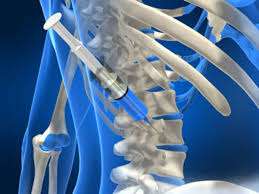
Surgical fixation stabilizes broken bones using hardware such as plates, screws or rods. This approach ensures proper alignment facilitating quicker healing especially for complex fractures where casting alone is insufficient.
CARPAL TUNNEL RELEASE SURGERY

This surgical procedure targets compression of the median nerve at the wrist that causes carpal tunnel syndrome—characterized by numbness, tingling, and hand weakness. The goal is nerve decompression relieving symptoms effectively when conservative management fails.
- Causal Factors & Signs: Repetitive wrist movements, swelling from injury or systemic illness contribute; symptoms include nighttime hand numbness and grip difficulty.
- Evolving Diagnostics: Electromyography (EMG) tests combined with physical exam confirm severity before surgery consideration. Treatment Mechanics: The transverse carpal ligament is cut carefully releasing pressure from the median nerve without compromising wrist function permanently.
The operation typically yields significant symptom relief enabling return to daily activities efficiently after rehabilitation completes successfully.
OSTEOPOROSIS SCREENING

An important preventive measure involves assessing bone density to detect osteoporosis early—a disease marked by weakened bones prone to fractures. Screening helps identify individuals at risk before serious complications occur.
- Syndromes & Risks: Postmenopausal women, elderly patients, or those with a family history face higher risks of bone loss leading to fragility fractures.
- Screening Methods: Dual-energy X-ray absorptiometry (DEXA) scanning measures bone mineral density precisely at key sites like hips and spine.
- Treatment Addressed By Screening Results: Lifestyle changes including diet rich in calcium/vitamin D plus medications can strengthen bones once low density is confirmed.
- Lifestyle & Monitoring Advice: Regular follow-up scans monitor treatment effectiveness while physical activity reduces fall risk over time.
This proactive approach facilitates timely intervention preventing fractures and maintaining mobility in later life stages.
SPINAL FUSION SURGERY

This operation aims to permanently join two or more vertebrae in the spine to stop painful motion caused by conditions like degenerative disc disease or spinal instability. It stabilizes the spine and relieves nerve irritation.
- Causation & Symptoms: Patients often report chronic back pain radiating into limbs along with weakness or numbness due to nerve compression.
- Diagnostic Tests: MRI scans alongside X-rays assess spinal structure, alignment, and nerve involvement prior to deciding on fusion surgery.
- Surgical Details: Bone grafts may be used along with screws or rods to promote permanent fusion between affected vertebrae.
- Recovery Timeline: Healing can take several months; physiotherapy helps restore movement while avoiding strain on the spine during recovery.
The goal is long-term relief from debilitating symptoms by mechanically supporting compromised spinal segments.
TOTAL HIP REPLACEMENT

Total hip replacement is performed when severe arthritis or injury causes irreversible damage to the hip joint, resulting in debilitating pain and impaired function. This surgery replaces the worn parts with artificial implants to restore mobility.
- Symptoms/Contributing Factors: Chronic hip pain, stiffness, and difficulty walking are common signs necessitating this intervention; osteoarthritis is a frequent cause.
- Evaluation Process: X-rays and health assessments determine the extent of joint damage and patient suitability for surgery.
- Surgical Approach: Diseased bone and cartilage are removed and replaced with prosthetic components tailored for durability and fit.
- Post-Op Care: Physical therapy plays a crucial role in regaining strength, flexibility, and normal motion after surgery.
This procedure effectively alleviates pain and significantly improves quality of life for those with advanced hip disease.
ARTHROSCOPIC KNEE SURGERY

Arthroscopic knee surgery is a minimally invasive procedure used to diagnose and treat joint problems within the knee. It allows physicians to view the inside of the joint using a small camera inserted through tiny incisions, providing a clearer understanding of knee conditions without large surgical wounds.
- Causes/Symptoms: Persistent knee pain, swelling, locking, or instability often indicate issues such as meniscal tears or ligament injuries.
- Diagnosis: Imaging studies like MRI complement arthroscopic evaluation to pinpoint cartilage damage or loose bodies in the joint.
- Treatment Options: The surgeon can trim damaged cartilage, repair ligaments, or remove debris during the procedure.
- Recovery Expectations: Recovery is usually quicker than open surgery with less post-operative pain and faster return to mobility.
This technique offers an effective way to address various knee disorders with reduced trauma and improved precision compared to traditional methods.