
Dr Narender Saini
About Me
Dr Narender Saini
MS
Orthopaedic Surgeons
10 Years Experience
Biography
My Clinic
OPD Hours
| Monday | Morning | 10:00 AM | - | 02:00 PM |
| Evening | 06:00 PM | - | 09:00 PM | |
| Tuesday | Morning | 10:00 AM | - | 02:00 PM |
| Evening | 06:00 PM | - | 09:00 PM | |
| Wednesday | Morning | 10:00 AM | - | 02:00 PM |
| Evening | 06:00 PM | - | 09:00 PM | |
| Thursday | Morning | 10:00 AM | - | 02:00 PM |
| Evening | 06:00 PM | - | 09:00 PM | |
| Friday | Morning | 10:00 AM | - | 02:00 PM |
| Evening | 06:00 PM | - | 09:00 PM | |
| Saturday | Morning | 10:00 AM | - | 02:00 PM |
| Evening | 06:00 PM | - | 09:00 PM | |
| Sunday | Morning | 10:00 AM | - | 02:00 PM |
| Evening | 06:00 PM | - | 09:00 PM |
Treatments
Specialised care and treatments offered
KNEE PAIN MANAGEMENT
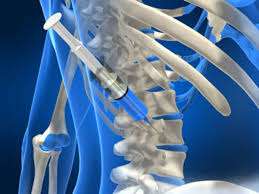
Knee pain can stem from various causes including arthritis injuries tendon issues resulting discomfort that limits everyday functionality. Effective management hinges understanding root causes enabling personalized approach resolving underlying factors optimally successfully!
FRACTURE CARE
A fracture refers to a break in a bone due to trauma or stress. Prompt medical attention is critical as untreated fractures can lead to complications like improper healing or infection, greatly affecting mobility eventually if severe enough.
- Symptoms typically manifest as immediate pain at injury site along with visible swelling bruising inability move affected area normally.
- Diagnosis involves diagnostic imaging such as X-rays CT scans depending complexity fracture type presenting chief concerns observed during assessments available options further clarifying extent damage incurred safely sustained structures realizing outcomes anticipated thereafter repairs prospective too .
- Treatment commonly entails immobilization employing casts splints protect healing compartments though surgical intervention may arise necessary complex breaks aiming restore alignment integrity structural solidification once arrangements expressed necessity before proceeding .
- Aftercare monitoring facilitating regular checkups follow-up within outpatient settings ensures optimal healing path carefully guided rehabilitation instructions provided effectively throughout phases determined .
- Patients generally witness satisfactory advancements gain regained strength restoring mobility returning daily activities functional levels nearing previous states eventually attainable making remarkable adjustments coupled support envisioned benefits colliding smoothly living based ideals fulfilled joyous manner overall!
Ensuring proper fracture care promotes longevity enables active engagement fulfilling lifestyle priorities cherished deeply throughout life journey wise pursuits undertaken together united intentions successful growth stories unfolded everywhere!
PLANTAR FASCIITIS

This condition arises from inflammation of the plantar fascia—the thick band of tissue that runs across the bottom of your foot. Plantar fasciitis commonly results in sharp heel pain, particularly noticeable in the morning or after prolonged sitting periods.
- The primary symptoms include localized heel pain which intensifies during movement after rest or upon awakening each day.
- A diagnosis often involves evaluating symptoms through clinical assessment coupled with imaging studies like X-rays if fractures need ruling out.
- Treatment generally consists of stretching exercises, custom orthotics for footwear support, anti-inflammatory medications, or physical therapy interventions aimed at reducing strain on the fascia.
- Surgery remains an option only when conservative measures fail after extensive duration without improvement.
- Long-term management entails understanding factors contributing to foot mechanics while modifying activities accordingly.
With diligent care practices implemented early on plantar fasciitis resolves effectively without long-term complications in most instances.
TENNIS ELBOW (LATERAL EPICONDYLITIS)

Tennis elbow is an overuse injury affecting the tendons around the elbow joint. It commonly occurs due to repetitive motions and can lead to significant discomfort during daily activities.
- This condition typically presents as pain on the outer part of the elbow that may radiate down the forearm when gripping or lifting objects.
- A detailed physical exam coupled with patient history helps establish a diagnosis; imaging tests may be used if needed.
- Management strategies include rest from aggravating activities, ice application, and nonsteroidal anti-inflammatory drugs for pain control. Physical therapy is also recommended for strength building.
- If conservative treatments fail, corticosteroid injections or surgical intervention might be considered for more persistent cases.
- Most patients experience a full recovery with appropriate treatment plans tailored to their specific needs and lifestyles.
Caring for tennis elbow effectively requires commitment to therapeutic strategies for optimal healing outcomes over time.
ROTATOR CUFF INJURIES

A rotator cuff injury involves damage to any of the four muscles and tendons that stabilize the shoulder joint. These injuries can result from acute trauma or chronic wear-and-tear over time.
- The main symptoms often consist of shoulder pain, especially when lifting overhead, along with weakness in arm movements.
- Diagnosis usually requires a thorough examination alongside imaging tests like ultrasound or MRI to assess the extent of the injury.
- Treatment may include physical therapy focusing on strengthening exercises and inflammation reduction techniques; surgery might be necessary in serious cases.
- Resting the affected area plays a crucial role in recovery stages in conjunction with rehabilitation exercises.
- Patients can expect gradual improvements in pain relief and mobility with adherence to treatment protocols.
A proper diagnosis and tailored management plan are essential for effective recovery from rotator cuff injuries.
OSTEOARTHRITIS

Osteoarthritis is a degenerative joint disease characterized by the breakdown of cartilage in the joints. This condition often leads to pain and stiffness, significantly affecting mobility and quality of life.
- Symptoms include joint pain that worsens with activity, tenderness, swelling, and reduced range of motion.
- Diagnosis is usually made through a thorough physical examination, patient history, and imaging tests like X-rays or MRIs.
- Treatment options may involve lifestyle changes such as weight management, physical therapy, and in some cases, medications or injections to alleviate symptoms.
- Surgical options like arthroscopy or joint replacement are considered for severe cases.
- Post-treatment expectations can include improved function and reduced pain levels over time with adherence to prescribed rehabilitation exercises.
Management of osteoarthritis focuses on maintaining joint health while minimizing discomfort through a combination of therapies.