
Dr Narendra D Mehta
About Me
Dr Narendra D Mehta
Cardiologist
Biography
My Clinic
OPD Hours
| Tuesday | Morning | 10:00 AM | - | 02:00 PM |
| Evening | 06:00 PM | - | 09:00 PM | |
| Wednesday | Morning | 10:00 AM | - | 02:00 PM |
| Evening | 06:00 PM | - | 09:00 PM | |
| Thursday | Morning | 10:00 AM | - | 02:00 PM |
| Evening | 06:00 PM | - | 09:00 PM | |
| Friday | Morning | 10:00 AM | - | 02:00 PM |
| Evening | 06:00 PM | - | 09:00 PM | |
| Saturday | Morning | 10:00 AM | - | 02:00 PM |
| Evening | 06:00 PM | - | 09:00 PM | |
| Sunday | Morning | 10:00 AM | - | 02:00 PM |
| Evening | 06:00 PM | - | 09:00 PM | |
| Thursday | Morning | 10:00 AM | - | 02:00 PM |
| Evening | 06:00 PM | - | 09:00 PM |
Treatments
Specialised care and treatments offered
VALVULAR HEART DISEASE

This condition occurs when one or more valves of the heart do not function properly. Recognizing its features helps ensure timely intervention before severe consequences arise.
- Signs: Patients may report symptoms like breathlessness during exertion swelling & fatigue among others depending on how severely each valve affected
- Underlying issues: Often caused by rheumatic fever congenital defects aging processes amongst others leading deterioration valve structures over time
- Diagnostic evaluation: < / strong /> Non-invasive imaging techniques echocardiography utilized routinely confirming inadequacies detected efficiently& reinsuring patient comfortability throughout
- Treatment avenues available often entails either surgical replacements balloon valvulotomy therapies provided by expert cardiologists accordingly per necessity < / spaniard/li >
The earlier aware initiation treatment alleviates discomfort enables improved transactions hence fostering raised living standards overall
CHOLESTEROL MANAGEMENT
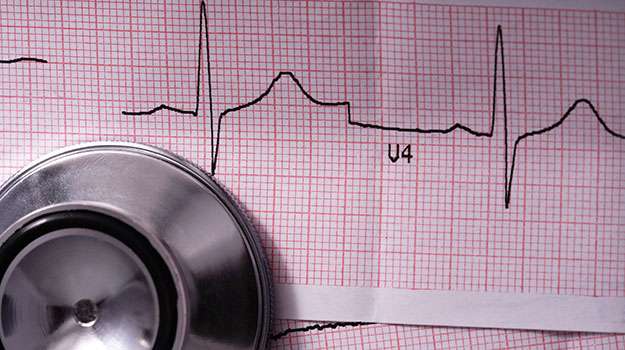
An important aspect of cardiovascular health involves maintaining optimal cholesterol levels. High cholesterol can lead to artery blockage over time and increases the risk for heart disease.
- Symptoms: Typically there are no visible symptoms; however elevated cholesterol levels pose a significant health hazard over years if left unchecked
- Common causes: Primary factors include poor dietary choices rich in saturated fats along with obesity & sedentary lifestyles
- Clinical diagnosis: Blood tests measuring lipid profiles are utilized by clinicians for identifying overall risk status
- Management options: Incorporating healthier foods exercising more frequently fiber supplements potentially paired alongside prescribed medication regimens could be beneficial ways forward further discussing these pathways will aid long-term endeavors towards better wellness practices
Regular check-ups provide critical opportunities enabling patients stay proactive regarding their overall cardiovascular wellbeing
HEART FAILURE
This chronic condition occurs when the heart cannot pump sufficiently to maintain blood flow. It is important to recognize its symptoms early for better outcomes.
- Main symptoms: Symptoms often include persistent coughing or wheezing, swollen legs or abdomen, fatigue, and increased heart rate during rest periods.
- Plausible causes: Common causes encompass previous heart attacks, hypertension, and certain infections affecting the heart muscle.
ATRIAL FIBRILLATION
Atrial fibrillation (AFib) is an irregular heartbeat that can increase the risk of stroke and other heart-related complications. Understanding this condition is vital for effective management.
- Symptoms: Common signs include palpitations, dizziness, fatigue, and sometimes chest pain.
- Causes: High blood pressure, heart valve disease, or even thyroid problems could trigger AFib in susceptible individuals.
- Diagnostic procedures: An electrocardiogram (ECG) is often used to identify abnormal electrical signals in the heart.
- Treatment strategies: Depending on severity, treatments may range from lifestyle changes and medications to electrical cardioversion or catheter ablation procedures.
Please consult your healthcare professional if you experience any symptoms related to AFib for optimal care management.
CORONARY ARTERY DISEASE
This condition occurs when the coronary arteries become narrowed or blocked due to plaque buildup. It can lead to serious issues like chest pain or heart attacks if not properly managed.
- Symptoms: Chest discomfort, shortness of breath, and fatigue during physical activities are common indicators.
- Causes: Key contributors include high cholesterol levels, high blood pressure, smoking, and diabetes.
- Diagnosis: A healthcare provider may use stress tests or angiograms to assess the condition of the arteries.
- Treatment methods: Treatment options may include lifestyle modifications, medications such as statins, or invasive procedures like angioplasty.
- Coping strategies: Engaging in a heart-healthy diet and regular exercise can improve overall heart function.
Timely diagnosis allows for effective management strategies that can enhance quality of life.
HYPERTENSION
Hypertension, commonly referred to as high blood pressure, is a chronic condition that can lead to serious health complications if left untreated. It often has no noticeable symptoms, which makes regular monitoring essential.
- Symptoms: Most individuals with hypertension do not experience any symptoms; however, some may have headaches or nosebleeds in extreme cases.
- Causes: Factors include genetics, poor diet, lack of physical activity, and excessive alcohol consumption.
- Diagnosis: Blood pressure readings are taken using a sphygmomanometer. Additional tests may be conducted to check for underlying conditions.
- Treatment options: Management may involve lifestyle changes such as diet and exercise, along with medications like diuretics or ACE inhibitors.
- What to expect: Regular follow-up appointments and monitoring help ensure your blood pressure remains within a healthy range.
By managing hypertension proactively, you can significantly reduce your risk of heart disease and stroke.