
Dr Narendra Josh
About Me
Dr Narendra Josh
MS
Orthopaedic Surgeons
Biography
My Clinic
OPD Hours
| Monday | Morning | 10:00 AM | - | 02:00 PM |
| Evening | 06:00 PM | - | 09:00 PM | |
| Tuesday | Morning | 10:00 AM | - | 02:00 PM |
| Evening | 06:00 PM | - | 09:00 PM | |
| Wednesday | Morning | 10:00 AM | - | 02:00 PM |
| Evening | 06:00 PM | - | 09:00 PM | |
| Thursday | Morning | 10:00 AM | - | 02:00 PM |
| Evening | 06:00 PM | - | 09:00 PM | |
| Friday | Morning | 10:00 AM | - | 02:00 PM |
| Evening | 06:00 PM | - | 09:00 PM | |
| Saturday | Morning | 10:00 AM | - | 02:00 PM |
| Evening | 06:00 PM | - | 09:00 PM | |
| Sunday | Morning | 10:00 AM | - | 02:00 PM |
| Evening | 06:00 PM | - | 09:00 PM |
Treatments
Specialised care and treatments offered
PLANTAR FASCIITIS
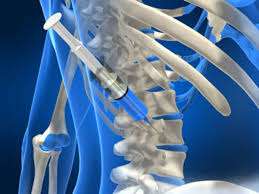
This condition involves inflammation of the plantar fascia—a thick band of tissue that runs along the bottom of your foot connecting your heel bone to your toes. It commonly presents as heel pain particularly noticeable after long periods of rest or first thing in the morning upon waking up.
- Symptoms include localized heel tenderness worsening with activity followed by significant discomfort upon rising.
- Diagnosis is usually made through clinical evaluations where doctors assess foot mechanics plus medical history combined with possible imaging tests if warranted.
- Treatment consists mainly of rest coupled with icing routines immobilization through supportive footwear orthotics usage alongside targeted physiotherapy regimes aimed at improving flexibility strength ultimately enabling full recovery without frequent relapses.
- While requiring patience clinical interventions commonly yield positive results enabling patients return back towards their active lifestyles comfortably again!
Understanding this ailment encourages proactive measures ensuring fewer hurdles towards holistic healing journeys resulting improved overall well-being!
HIP REPLACEMENT
A hip replacement is often necessary when arthritis causes significant damage to the hip joint affecting mobility and quality of life. This procedure involves replacing damaged bone with artificial components designed to mimic natural joint function effectively.
- The typical symptoms warranting surgery include severe hip pain during daily activities like walking or climbing stairs alongside reduced motion range.
- An assessment through physical exams along with imaging studies leads physicians toward confirming hip joint issues requiring surgical intervention.
- Surgical options vary from total hip replacements involving complete removal of damaged parts while preserving surrounding structures versus partial replacements depending upon individual needs; rehabilitation follows surgery aimed at restoring normal functioning levels.
Post-operative care focuses on monitoring recovery timelines for successful reintegration into routine movements post-surgery.
CARPAL TUNNEL SYNDROME

This condition arises when pressure builds up on the median nerve as it passes through the wrist. Carpal tunnel syndrome is prevalent among those who perform repetitive hand movements regularly.
- The primary symptoms include numbness or tingling in fingers, weakness when gripping objects or lifting items closely associated with finger movement patterns.
- A medical examination complemented by nerve conduction studies helps confirm this disease.
- Management options consist of wrist splints during nighttime hours or corticosteroid injections; surgical release may be recommended in severe cases where conservative approaches fail to bring relief.
- Pacing activities that lead to stress on wrists can further aid symptom management post-treatment.
If you suspect carpal tunnel syndrome early detection leads to more effective interventions for lasting relief from symptoms!
TENDON INJURIES

Tendon injuries involve damage to the fibrous cords that connect muscles to bones. These injuries can occur acutely due to sports activities or develop gradually over time from repetitive use.
- The main symptoms of tendon injuries include sharp pain at the injury site, swelling, and limited range of motion.
- A thorough clinical evaluation along with imaging techniques like ultrasound may be needed for accurate detection.
- Treatment typically includes rest, ice application, physical therapy focusing on stretching and strengthening exercises; surgery may be considered in chronic cases where conservative methods fail.
- Recovery time varies based on severity but generally involves a comprehensive rehabilitation program for best outcomes.
Understanding your tendon injury can help you take proactive steps toward recovery and prevention of future incidents.
FRACTURES

Fractures are common injuries that can occur at any age due to falls, sports accidents, or other traumatic events. They involve a break in the bone structure which can range from hairline cracks to complete breaks.
- The most common symptoms include sudden pain, swelling, bruising around the injury site, and difficulty using the injured limb.
- X-rays or CT scans are often used for detection, aiding in assessing the severity of the fracture.
- Treatment may involve immobilization with casts or braces, pain management therapies, and surgical procedures if necessary.
- Rehabilitation exercises play a vital role in restoring function after healing occurs.
A timely diagnosis and appropriate treatment are essential for optimal recovery from fractures.
OSTEOARTHRITIS

Osteoarthritis is a degenerative joint disease that commonly affects older adults, but it can occur in younger individuals as well. This condition results from the wear and tear of cartilage, leading to pain and stiffness in the affected joints.
- Symptoms include joint pain during movement, swelling, and decreased flexibility.
- A diagnosis is usually made based on a physical examination and imaging tests such as X-rays or MRIs.
- Treatment options may involve lifestyle modifications, physical therapy, medications for pain relief, or in severe cases, surgical interventions like joint replacement.
- It's important to maintain a healthy weight and stay active to alleviate symptoms.
Managing osteoarthritis effectively can significantly improve quality of life and mobility.