
Dr Narendra Joshi
About Me
Dr Narendra Joshi
MBBS
General Physician
10 Years Experience
Biography
My Clinic
OPD Hours
| Monday | Morning | 10:00 AM | - | 02:00 PM |
| Evening | 06:00 PM | - | 09:00 PM | |
| Tuesday | Morning | 10:00 AM | - | 02:00 PM |
| Evening | 06:00 PM | - | 09:00 PM | |
| Wednesday | Morning | 10:00 AM | - | 02:00 PM |
| Evening | 06:00 PM | - | 09:00 PM | |
| Thursday | Morning | 10:00 AM | - | 02:00 PM |
| Evening | 06:00 PM | - | 09:00 PM | |
| Friday | Morning | 10:00 AM | - | 02:00 PM |
| Evening | 06:00 PM | - | 09:00 PM | |
| Saturday | Morning | 10:00 AM | - | 02:00 PM |
| Evening | 06:00 PM | - | 09:00 PM | |
| Sunday | Morning | 10:00 AM | - | 02:00 PM |
| Evening | 06:00 PM | - | 09:00 PM |
Treatments
Specialised care and treatments offered
SEASONAL ALLERGIES
Seasonal allergies occur when your immune system reacts strongly to allergens in your environment during certain times of the year. They are common among people varying from children to adults in all walks of life!
- Sneezing, runny nose, itchy eyes or throat are typical symptoms triggered by outdoor pollen exposure during springtime or fall seasons among others!
- A healthcare professional evaluates allergic reactions typically through detailed medical histories and allergy testing methods such as skin prick tests or blood assays predicting allergic sensitivities!
Treatment usually integrates avoiding known allergens alongside over-the-counter antihistamines introducing nasal corticosteroids while providing symptomatic relief throughout each allergy season! Regular communication helps ensure successful management!
ANEMIA

Anemia is a condition characterized by a lack of sufficient red blood cells to carry adequate oxygen throughout the body. It’s essential to identify its cause for effective treatment planning as it can stem from various underlying issues.
- Common symptoms often include fatigue, weakness, pale skin, dizziness, and shortness of breath during exertion
- The diagnosis usually involves a complete blood count (CBC) test alongside further evaluations based on suspected causes like iron deficiency or vitamin deficiencies.
- Treatment approaches often vary but may include dietary changes incorporating iron-rich foods along with supplements to address specific nutrient deficiencies as needed.
Properly managing anemia not only improves energy levels but also enhances overall health status in affected individuals!
GASTROESOPHAGEAL REFLUX DISEASE (GERD)

Gastroesophageal reflux disease (GERD) is a chronic digestive condition where stomach acid frequently flows back into the esophagus. This backwash can irritate the lining of the esophagus leading to uncomfortable symptoms.
- If you experience frequent heartburn, regurgitation of food or sour liquid, or difficulty swallowing, these may signal GERD's presence.
- A healthcare provider diagnoses GERD through symptom evaluation and may recommend endoscopy or pH monitoring tests for confirmation.
- Treatment might involve lifestyle changes such as dietary adjustments alongside medications that reduce stomach acid production or aid in digestion.
- Persistent or severe cases may necessitate surgical interventions aimed at strengthening the esophageal sphincter.
Timely diagnosis and management of GERD can significantly enhance your quality of life by alleviating discomfort associated with this condition.
RESPIRATORY INFECTIONS
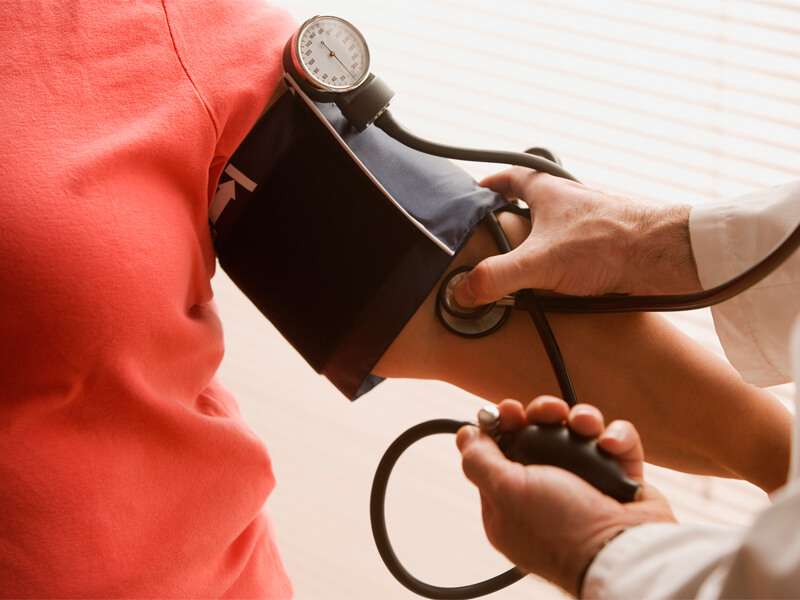
Respiratory infections range from mild colds to more severe conditions like pneumonia. They can affect anyone at any age and require prompt attention for effective treatment.
- Common symptoms include cough, fever, fatigue, and difficulty breathing depending on the severity of the infection.
- A diagnosis is established through physical examinations and possibly chest X-rays or sputum tests for respiratory infections like pneumonia.
- Treatment generally consists of rest, hydration, antibiotics for bacterial infections, or antiviral medications for viral infections when necessary.
- Patients should anticipate gradual improvement in symptoms with proper care but may need follow-up appointments if severe symptoms persist.
Most respiratory infections resolve successfully with the right approach to treatment and care.
DIABETES MANAGEMENT

Diabetes is a chronic condition characterized by elevated blood sugar levels. It requires careful management to maintain health and prevent complications.
- The common types include Type 1 and Type 2 diabetes; each has different causes ranging from genetic factors to lifestyle choices.
- Diagnosis typically involves blood tests to measure glucose levels and hemoglobin A1c for long-term control assessment.
- Treatment strategies often incorporate dietary modifications, regular physical activity, and sometimes insulin or oral medications as required.
- Patients can expect regular follow-ups to monitor their progress and adjust treatment plans accordingly.
With appropriate management, individuals with diabetes can lead healthy lives without significant limitations.
HYPERTENSION
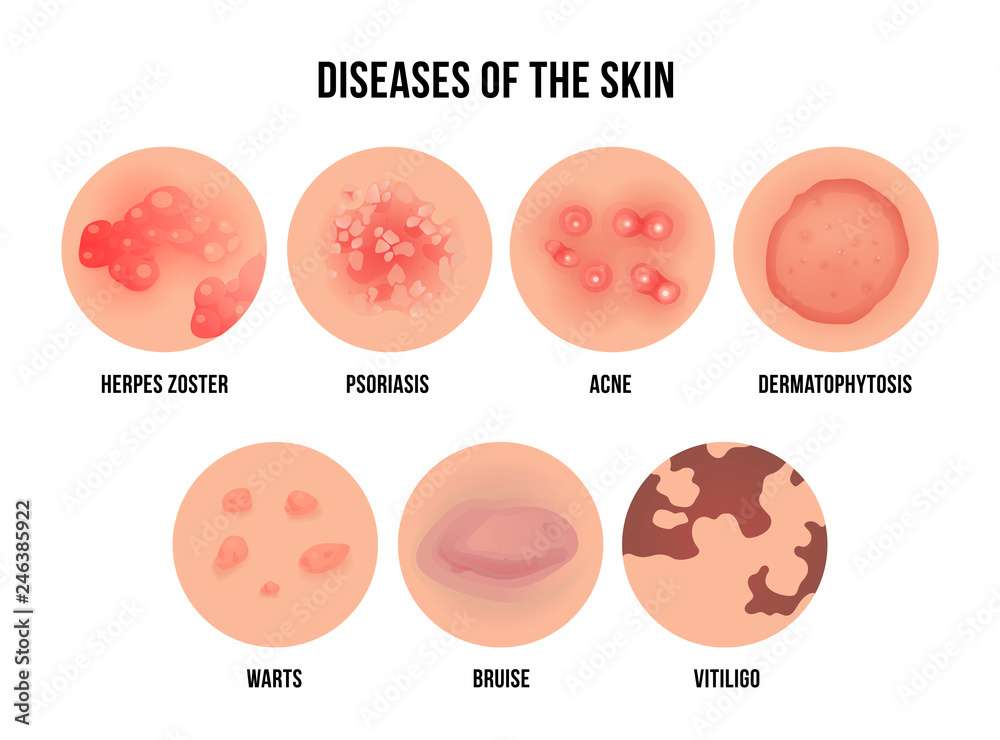
Hypertension, commonly known as high blood pressure, is a prevalent condition affecting millions of individuals worldwide. It can significantly impact overall health if left unmanaged.
- Symptoms may include headaches, shortness of breath, and nosebleeds, but often there are no noticeable symptoms until severe damage occurs.
- The condition is diagnosed through regular blood pressure monitoring over time.
- Treatment options typically include lifestyle changes such as diet and exercise along with medications to help control blood pressure levels.
- Patients should expect ongoing monitoring and adjustments to their treatment plan based on their individual responses.
Managing hypertension effectively can prevent serious complications like heart disease and stroke.