
Dr Narendra Kumar C Parmar
About Me
Dr Narendra Kumar C Parmar
Cardiologist
Biography
My Clinic
OPD Hours
| Tuesday | Morning | 10:00 AM | - | 02:00 PM |
| Evening | 06:00 PM | - | 09:00 PM | |
| Wednesday | Morning | 10:00 AM | - | 02:00 PM |
| Evening | 06:00 PM | - | 09:00 PM | |
| Thursday | Morning | 10:00 AM | - | 02:00 PM |
| Evening | 06:00 PM | - | 09:00 PM | |
| Friday | Morning | 10:00 AM | - | 02:00 PM |
| Evening | 06:00 PM | - | 09:00 PM | |
| Saturday | Morning | 10:00 AM | - | 02:00 PM |
| Evening | 06:00 PM | - | 09:00 PM | |
| Sunday | Morning | 10:00 AM | - | 02:00 PM |
| Evening | 06:00 PM | - | 09:00 PM | |
| Thursday | Morning | 10:00 AM | - | 02:00 PM |
| Evening | 06:00 PM | - | 09:00 PM |
Treatments
Specialised care and treatments offered
CORONARY ARTERY DISEASE MANAGEMENT

The management of coronary artery disease (CAD) focuses on reducing symptoms and improving overall cardiovascular health. CAD occurs when plaque builds up within coronary arteries leading to reduced blood flow affecting cardiac function significantly over time if left untreated.
}HOLTER MONITORING
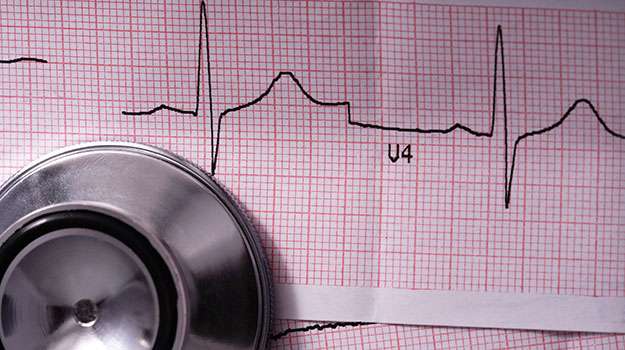
Holter monitoring is an ambulatory electrocardiogram test that records your heart's rhythm continuously over 24-48 hours. This non-invasive method allows physicians to detect irregularities outside of conventional clinical settings when symptoms may be less apparent during routine office visits.
- The key purpose is identifying sudden changes in heartbeat patterns which may suggest underlying cardiac issues not evident during short-term ECG readings;
TRANSESOPHAGEAL ECHOCARDIOGRAM (TEE)
A transesophageal echocardiogram is a specialized imaging technique that provides detailed pictures of the heart through the esophagus. TEE allows healthcare providers to gain deeper insight into structures not easily visualized through traditional echocardiography methods.
- This procedure is particularly useful in diagnosing conditions like valvular heart disease, blood clots in the heart, or congenital anomalies that might go undetected initially.
- A standard echocardiogram may precede this study; however, TEE can offer enhanced images due to its proximity to the heart contents during assessment.
- If abnormalities are detected during TEE, management could range from monitoring to surgical interventions depending on severity and patient health status;
- The process typically involves minimal discomfort with sedation administered for patient comfort throughout this quick procedure that usually lasts under an hour;
This technology continues elevating diagnostic capabilities within cardiology practices nationwide, emphasizing precision in patient care methods.
ELECTROPHYSIOLOGY STUDY
An electrophysiology study (EPS) assesses the electrical system of the heart to investigate arrhythmias or abnormal heart rhythms. Understanding these issues is crucial for effective treatment and management strategies.
- The primary symptoms prompting an EPS include palpitations, dizziness, or fainting spells associated with irregular heartbeat patterns.
- Your doctor may recommend tests like Holter monitoring before an EPS is conducted for a clearer picture of your heart rhythm over time.
- Select treatment options following an EPS could include medications or catheter ablation aimed at correcting the arrhythmia while minimizing risks associated with surgical interventions.
- A significant advantage is that patients usually stay overnight for monitoring but experience a prompt return to regular activities the next day if all is well post-procedure.
This tailored approach helps in determining personalized care based on individual cardiac needs and risks.
CARDIAC CATHETERIZATION
This procedure entails threading a thin tube through blood vessels to examine the heart's function and blood flow. Cardiac catheterization can help diagnose various heart conditions by providing detailed images of the heart's structure.
- Common indications for this test include unexplained chest pain or symptoms suggesting coronary artery disease.
- The process often begins with non-invasive imaging techniques followed by catheterization for more precise assessments.
- Treatment decisions such as angioplasty or stenting can occur during this procedure if blockages are discovered.
- Patients generally receive local anesthesia and minimal sedation, ensuring comfort throughout the experience.
- Recovery may include monitoring for several hours post-procedure before going home with specific instructions provided by healthcare professionals.
Cath procedures empower cardiologists with essential information for effective management of heart health issues.
ANGIOPLASTY
Angioplasty is a minimally invasive procedure used to open narrowed or blocked coronary arteries. This condition often results from the buildup of plaque, which can restrict blood flow to the heart. By restoring proper circulation, angioplasty can significantly reduce the risk of heart attacks.
- Symptoms that may indicate the need for angioplasty include chest pain, shortness of breath, and fatigue during physical activity.
- The diagnosis typically involves tests such as an electrocardiogram (ECG), stress tests, and coronary angiography.
- Treatment options include balloon dilation of the artery and stent placement to keep the artery open.
- Post-procedure care may involve medication to prevent clotting and lifestyle changes for heart health.
- Patients can expect a shorter recovery time compared to more invasive surgeries, allowing them to return to daily activities relatively quickly.
This procedure represents a critical advancement in cardiac care, emphasizing patient improvement and quality of life.