
Dr Narendra S Y
About Me
Dr Narendra S Y
BDS
Dentist
10 Years Experience
Biography
My Clinic
OPD Hours
| Monday | Morning | 10:00 AM | - | 02:00 PM |
| Evening | 06:00 PM | - | 09:00 PM | |
| Tuesday | Morning | 10:00 AM | - | 02:00 PM |
| Evening | 06:00 PM | - | 09:00 PM | |
| Wednesday | Morning | 10:00 AM | - | 02:00 PM |
| Evening | 06:00 PM | - | 09:00 PM | |
| Thursday | Morning | 10:00 AM | - | 02:00 PM |
| Evening | 06:00 PM | - | 09:00 PM | |
| Friday | Morning | 10:00 AM | - | 02:00 PM |
| Evening | 06:00 PM | - | 09:00 PM | |
| Saturday | Morning | 10:00 AM | - | 02:00 PM |
| Evening | 06:00 PM | - | 09:00 PM | |
| Sunday | Morning | 10:00 AM | - | 02:00 PM |
| Evening | 06:00 PM | - | 09:00 PM |
Treatments
Specialised care and treatments offered
ROOT CANAL THERAPY
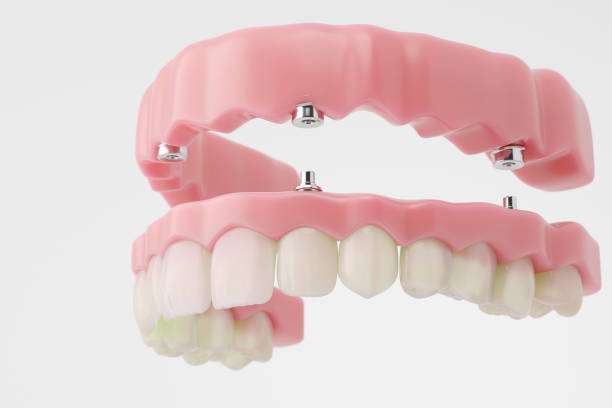
An essential procedure designed to save a tooth that has developed infection within its pulp due to deep decay or trauma. It eliminates pain while preserving natural dentition where possible.
TEETH WHITENING PROCEDURES
A bright smile often boosts self-confidence. Teeth whitening treatments aim at reducing discoloration caused by staining from food, drinks, smoking, or aging effects.
PEDIATRIC DENTAL CARE
Caring for children's teeth involves special attention tailored to their developmental stages ensuring proper growth of teeth and jaws.
- Main Concerns: Common issues include early childhood caries caused by prolonged bottle feeding and habits like thumb sucking affecting alignment.
- Preventive Measures: Regular fluoride treatments, sealants on molars to prevent decay, plus education about diet play vital roles in prevention.
- Dentist Visits: Initial dental visits are recommended by age one or when first tooth erupts; this helps acclimate children to dental care environments early on.
GINGIVITIS AND PERIODONTAL DISEASE
Gingivitis represents the initial stage of gum disease characterized by inflammation of the gums. If untreated, it can progress into periodontitis which affects deeper supporting structures of teeth.
- Signs & Symptoms: Swollen, red gums that bleed easily when brushing or flossing typically indicate gingivitis; persistent bad breath may accompany more advanced disease.
- Diagnosis Techniques: Clinical evaluation along with periodontal probing depth measurements help determine disease extent and severity.
- Treatment Strategies: Professional cleaning to remove plaque and tartar is essential; advanced cases might need scaling and root planing or surgery.
- Lifestyle Recommendations: Stopping tobacco use and maintaining consistent oral hygiene routines support successful treatment outcomes.
Catching gum disease early prevents irreversible damage such as tooth mobility or loss while promoting overall oral wellbeing.
ORTHODONTIC TREATMENT (BRACES)
Crowded or misaligned teeth can affect not only appearance but also oral health. Orthodontic treatment uses specialized devices to correct these irregularities over time.
- Indicators for Treatment: Common signs include crooked teeth, bite problems such as overbite or underbite, and difficulty chewing.
- Evaluation Process: A thorough orthodontic assessment including photographs, X-rays, and dental impressions helps plan effective treatment.
- Treatment Modalities: Traditional braces with metal brackets and wires remain popular; alternatives include ceramic braces or clear aligners depending on individual needs.
- Treatment Duration & Care: Therapy usually spans 1-3 years with periodic adjustments. Patients must maintain excellent oral hygiene during this period.
The goal is a healthy, functional bite paired with an improved smile that enhances confidence and long-term dental health.
DENTAL CARIES (TOOTH DECAY)
Dental caries, commonly known as tooth decay, is one of the most prevalent oral health issues affecting people of all ages. It results from the gradual destruction of tooth enamel due to acids produced by bacteria in the mouth.
- Causes and Symptoms: Frequent consumption of sugary foods and poor oral hygiene lead to plaque buildup that harbors acid-producing bacteria. Early signs include tooth sensitivity and discomfort.
- Diagnosis: Dentists diagnose dental caries via visual examination, dental probes, and X-rays to detect hidden decay.
- Treatment Options: Depending on severity, treatment ranges from fluoride applications for early lesions, to fillings or crowns for more advanced decay. Severe cases might require root canal therapy.
- Management: Maintaining good oral hygiene practices and regular dental check-ups are key to preventing recurrence.
Addressing dental caries promptly helps protect overall tooth structure and prevents complications like infection or tooth loss.