
Dr Naresh Goyal O
About Me
Dr Naresh Goyal O
MS
Orthopaedic Surgeons
10 Years Experience
Biography
My Clinic
OPD Hours
| Monday | Morning | 10:00 AM | - | 02:00 PM |
| Evening | 06:00 PM | - | 09:00 PM | |
| Tuesday | Morning | 10:00 AM | - | 02:00 PM |
| Evening | 06:00 PM | - | 09:00 PM | |
| Wednesday | Morning | 10:00 AM | - | 02:00 PM |
| Evening | 06:00 PM | - | 09:00 PM | |
| Thursday | Morning | 10:00 AM | - | 02:00 PM |
| Evening | 06:00 PM | - | 09:00 PM | |
| Friday | Morning | 10:00 AM | - | 02:00 PM |
| Evening | 06:00 PM | - | 09:00 PM | |
| Saturday | Morning | 10:00 AM | - | 02:00 PM |
| Evening | 06:00 PM | - | 09:00 PM | |
| Sunday | Morning | 10:00 AM | - | 02:00 PM |
| Evening | 06:00 PM | - | 09:00 PM |
Treatments
Specialised care and treatments offered
PREVENTIVE ORTHOPAEDICS
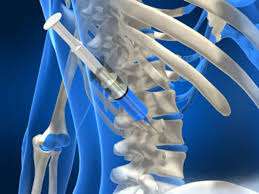
This approach focuses on preventing musculoskeletal disorders before they arise through education on proper techniques during activities. Education promotes overall skeletal health for patients across various demographics!
- Routine Assessments: Regular assessments help identify early signs of potential disorders enabling timely preventive measures .
- Exercise Recommendations: Creating tailored exercise regimens strengthens muscles around joints reducing injury risks .
- Ergonomic Advice: Guidance about workplace ergonomics supports healthy postures during work reducing strain injuries commonly associated with prolonged sedentary activities .
Investing time into preventive practices safeguards long-term skeletal health positively impacting everyday activities .
FRACTURE CARE

A fracture occurs when there is a break in the bone structure due to trauma or stress. Prompt diagnosis and treatment are vital in ensuring proper healing and restoring functionality.
- Types of Fractures: They vary from simple hairline fractures to complex breaks that may require surgical intervention depending on severity .
- Diagnosis Process: An X-ray is usually performed; sometimes CT scans provide additional details on complicated fractures .
- Treatment Options: Methods include immobilization with casts , splints , or even surgery involving pins , plates , or rods for stabilization .
- Recovery Expectations: Healing time varies but adherence to follow-up visits ensures proper adjustments allowing better outcomes .
Seeking immediate care following an injury can greatly enhance healing prospects while minimizing long-term issues .
JOINT REPLACEMENT SURGERY

This procedure involves replacing damaged joints with artificial implants when conservative treatments fail. Joint replacement can dramatically improve quality of life for patients suffering debilitating joint problems.
- Candidates: Ideal candidates often have severe pain or limited mobility affecting their daily routines due to arthritis or injuries.
- Surgical Procedure: The surgery typically requires hospitalization where health professionals will replace the affected parts with prosthetics made of metal or plastic materials.
- Pain Management: Post-operative care includes pain relief strategies along with physiotherapy aimed at restoring movement function quickly and effectively.
The potential for significant pain relief makes this surgery a worthwhile consideration after conservative measures have been exhausted.
OSTEOPOROSIS SCREENING

This silent disease weakens bones progressively, increasing fracture risk without any noticeable symptoms. Regular screening can lead to early detection and intervention.
- Symptoms: Often asymptomatic until a fracture occurs; however, risk factors include age, gender (higher in women), family history, and low body weight.
- Diagnosis: Bone mineral density (BMD) testing evaluates bone strength using DEXA scans as the standard procedure.
- Treatment Strategies: Treatment might involve calcium and vitamin D supplements alongside medications that enhance bone density when necessary.
- Pediatric Considerations: Encouraging weight-bearing exercises in youth plays a crucial role in developing strong bones from an early age.
An annual assessment is recommended for at-risk individuals to prevent osteoporosis-related complications.
SPORTS INJURY REHABILITATION

Injuries sustained during sports or physical activities are common and can range from sprains to fractures. Prompt rehabilitation is key to recovery and returning to activities safely.
- Causes: Sports injuries often result from overuse, improper technique, or accidents during play.
- Diagnosis: A comprehensive evaluation including physical exams and imaging studies helps determine the severity of the injury.
- Treatment Approaches: Rehabilitation may involve rest, ice application, physiotherapy exercises, and in some cases, surgical intervention.
- Expectations: Adhering to a structured rehabilitation program typically leads to effective recovery and prevention of future injuries.
A personalized rehab plan can help athletes regain strength and flexibility effectively.
ARTHRITIS MANAGEMENT

Arthritis is a prevalent condition characterized by inflammation of the joints, leading to pain and stiffness. It can significantly impact daily activities, making early intervention essential for effective management.
- Symptoms: Common indicators include joint pain, swelling, and reduced flexibility.
- Diagnosis: Arthritis is diagnosed through physical examinations, imaging tests like X-rays, and lab tests assessing joint fluid.
- Treatment Options: Management may involve medication for pain relief, physical therapy to improve mobility, and lifestyle modifications like exercise.
- What to Expect: With appropriate treatment, many patients experience improved joint function and reduced discomfort.
Proactive management can help maintain quality of life despite chronic conditions like arthritis.