
Dr Nasir Yunus Fulara
About Me
Dr Nasir Yunus Fulara
Cardiologist
Biography
My Clinic
OPD Hours
| Tuesday | Morning | 10:00 AM | - | 02:00 PM |
| Evening | 06:00 PM | - | 09:00 PM | |
| Wednesday | Morning | 10:00 AM | - | 02:00 PM |
| Evening | 06:00 PM | - | 09:00 PM | |
| Thursday | Morning | 10:00 AM | - | 02:00 PM |
| Evening | 06:00 PM | - | 09:00 PM | |
| Friday | Morning | 10:00 AM | - | 02:00 PM |
| Evening | 06:00 PM | - | 09:00 PM | |
| Saturday | Morning | 10:00 AM | - | 02:00 PM |
| Evening | 06:00 PM | - | 09:00 PM | |
| Sunday | Morning | 10:00 AM | - | 02:00 PM |
| Evening | 06:00 PM | - | 09:00 PM | |
| Thursday | Morning | 10:00 AM | - | 02:00 PM |
| Evening | 06:00 PM | - | 09:00 PM |
Treatments
Specialised care and treatments offered
ARRHYTHMIA MANAGEMENT

Arrhythmia management involves diagnosing irregular heartbeat patterns that could lead to serious complications if untreated. A variety of approaches exists depending upon type severity ranging from lifestyle modifications all way through advanced therapies like ablation procedures when warranted .
- Patients presenting frequent flutters skips accompanied palpitation episodes might encounter need assessment involving thorough discussions medical history plus targeted tests determining nature underlying issue accurately .
- Initial strategies often include recommendations around diet exercise tailored optimizing cardiovascular stability while potentially prescribing suitable medications controlling frequency episodes sustained relief over time .
- In cases tracking shows greater intensity disruptive nature lengthy cycles presenting risk elevated stroke chances sufferers become candidates more interventions ranging catheter ablation targeting specific electrical pathways via minimally accesses via puncture sites guiding individualized solutions improving overall satisfaction quality lifestyle adjustment necessary..
Through collaborative care patients empowered understand their conditions better finding effective routes healing paths maintaining ongoing relationships ensuring support throughout journey regaining balanced lives positively impacting everyday functioning .
CARDIAC CT ANGIOGRAPHY
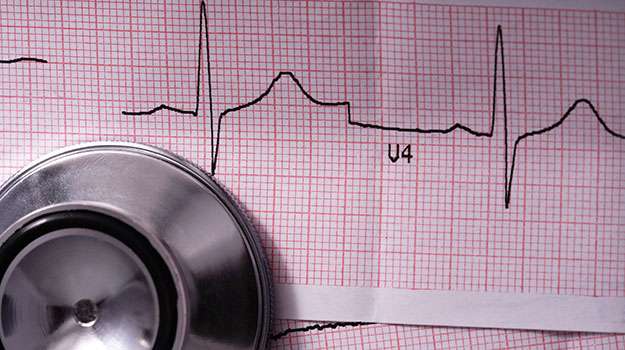
This advanced imaging technique utilizes computed tomography (CT) scans paired with contrast dye injection to visualize coronary arteries. It helps detect coronary artery disease at its early stages efficiently without invasive methods like traditional angiography.
- You might be referred for this scan if you have risk factors like diabetes or hypertension alongside unfamiliar chest discomforts requiring further examination
- The preparation includes fasting several hours before testing along with hydration guidelines; some sedation may help relax anxious patients during scanning procedures.
- This technique allows doctors quickly review arterial health by revealing any plaques within vessels causing potential problems—such evaluations significantly enhance timely intervention.
- Expect detailed reporting afterward discussing any concerns seen in arteries providing both clarity on current conditions moving forward focusing towards patient-centered care through recommendations addressing underlying risks effectively .
Overall,CCTA serves as an effective alternative screening tool preventing unnecessary invasive procedures while offering peace of mind around manageable outcomes leading towards healthier lifestyles .
STRESS TEST
A stress test evaluates how well your heart performs under physical stress. Typically used for detecting coronary artery disease, it helps assess cardiovascular response during exercise or simulated conditions.
- You might undergo this test if you have symptoms like chest pain or shortness of breath during physical activity.
- The procedure usually involves walking on a treadmill or pedaling a stationary bike while your heart rate and rhythm are monitored through ECG leads attached to your body.
- Your healthcare provider will observe changes in your heart rate and blood pressure during exercise for abnormalities indicating reduced blood flow to the heart muscle.
- If you're unable to exercise, medication might simulate exertion effects during imaging studies instead.
The entire process lasts about an hour including preparation time; results will guide further evaluation or treatment options as needed.
With proper indications, this test becomes an invaluable tool in managing cardiac health effectively.
ECHOCARDIOGRAM
An echocardiogram uses sound waves to create moving pictures of the heart. This imaging technique allows doctors to assess heart structure and function effectively without radiation exposure.
- Conditions such as heart failure, valvular heart disease, and congenital defects may require this evaluation due to specific symptoms like swelling or fatigue.
- The test involves placing ultrasound gel on the chest and using a transducer to capture images as you lie still.
- Your doctor will analyze various aspects such as chamber size, wall motion, and valve function during this painless procedure.
- No special preparation is needed beforehand; however, typical follow-up might include discussing results and potential next steps based on findings.
This safe diagnostic tool plays an essential role in understanding cardiac health comprehensively while guiding treatment decisions.
HOLTER MONITOR
A Holter monitor is a portable device that continuously records the heart's rhythms for 24 hours or longer. It is commonly used to diagnose arrhythmias or irregular heartbeats that may not be captured during a standard ECG.
- Patients may experience symptoms such as palpitations, dizziness, or fainting spells that warrant monitoring.
- The monitor is worn on the body with electrodes placed on the chest and does not interfere with daily activities.
- Records are analyzed for abnormalities in heart rhythm, providing valuable data for diagnosis.
- A Holter monitor can help identify triggers for symptoms and evaluate treatment effectiveness.
This non-invasive test provides critical insights into heart health without significant discomfort or disruption to your routine.
ANGIOPLASTY
Angioplasty is a minimally invasive procedure used to open up narrowed or blocked blood vessels in the heart. This condition, often caused by coronary artery disease, can lead to serious cardiovascular issues if left untreated.
- Symptoms of blockages may include chest pain (angina), shortness of breath, and fatigue.
- Diagnosis typically involves a coronary angiogram, where dye is injected into the arteries to visualize blockages on X-rays.
- Treatment often includes balloon angioplasty, where a small balloon is inflated inside the artery to restore blood flow, sometimes followed by the placement of a stent.
- After the procedure, expect some monitoring in the hospital and instructions for post-operative care.
- Long-term management may involve lifestyle changes and medications to prevent future blockages.
This procedure has a high success rate and can significantly improve quality of life by alleviating symptoms and reducing heart attack risk.