
Dr Naveen Dubey
About Me
Dr Naveen Dubey
MBBS
Cardiologist
10 Years Experience
Biography
My Clinic
OPD Hours
| Monday | Morning | 10:00 AM | - | 02:00 PM |
| Evening | 06:00 PM | - | 09:00 PM | |
| Tuesday | Morning | 10:00 AM | - | 02:00 PM |
| Evening | 06:00 PM | - | 09:00 PM | |
| Wednesday | Morning | 10:00 AM | - | 02:00 PM |
| Evening | 06:00 PM | - | 09:00 PM | |
| Thursday | Morning | 10:00 AM | - | 02:00 PM |
| Evening | 06:00 PM | - | 09:00 PM | |
| Friday | Morning | 10:00 AM | - | 02:00 PM |
| Evening | 06:00 PM | - | 09:00 PM | |
| Saturday | Morning | 10:00 AM | - | 02:00 PM |
| Evening | 06:00 PM | - | 09:00 PM | |
| Sunday | Morning | 10:00 AM | - | 02:00 PM |
| Evening | 06:00 PM | - | 09:00 PM |
Treatments
Specialised care and treatments offered
ATRIAL FIBRILLATION WITH RAPID VENTRICULAR RESPONSE

Atrial fibrillation (AF) characterized by chaotic atrial electrical activity can lead to dangerously high ventricular rates—described as rapid ventricular response—that cause palpitations and compromise cardiac output acutely.
- Symptoms/causes: Irregular heartbeat sensation accompanied by dizziness or chest tightness frequently results from hypertension, valvular disease, or ischemic injury.
- Diagnosis: ECG analysis shows irregularly irregular rhythm without discernible P waves accompanied by a fast ventricular rate.
- Treatment options: Rate control using beta-blockers or calcium channel blockers provides symptom relief; anticoagulation reduces stroke risk.
- What to expect: Emergency management sometimes involves electrical cardioversion when hemodynamic instability exists followed by long-term rhythm control strategies.
Prompt control of ventricular rate ameliorates symptoms whilst minimizing significant adverse outcomes linked with uncontrolled atrial fibrillation episodes.
ACUTE PERICARDITIS
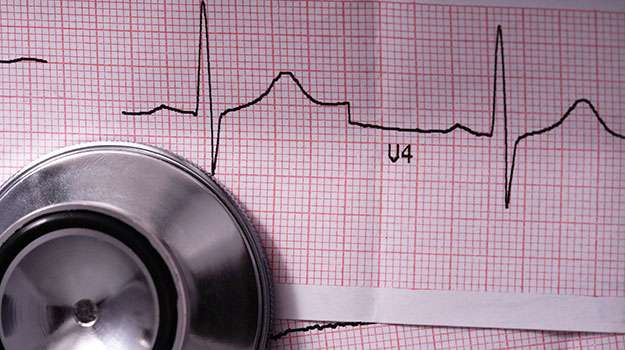
This inflammatory condition affects the pericardium—the protective sac surrounding the heart—and can develop suddenly often after infections or systemic diseases. It usually causes sharp chest pain exacerbated by breathing or lying down.
- Symptoms/causes: Sharp pleuritic chest pain relieved when sitting up; fever; pericardial friction rub heard on auscultation are typical features. Causes include viral infections most frequently but also autoimmune disorders or trauma.
- Diagnosis: ECG changes such as widespread ST elevation help distinguish it from other causes of chest pain; echocardiography evaluates for effusion presence.
- Treatment options: Nonsteroidal anti-inflammatory drugs reduce inflammation; colchicine prevents recurrences. Severe cases may need corticosteroids or drainage if effusion compromises heart function.
- What to expect: Most patients recover fully within weeks with proper treatment though some may experience recurrent episodes requiring ongoing follow-up.
Understanding pericarditis aids in differentiating its symptoms from other cardiac emergencies ensuring timely relief and preventing complications.
CARDIOGENIC SHOCK
A severe complication where the heart suddenly fails to pump enough blood for bodily needs despite adequate blood volume defines cardiogenic shock. It requires immediate critical care intervention due to high mortality risk.
- Symptoms/causes: Cold clammy skin, rapid breathing, weak pulse alongside confusion signal inadequate tissue perfusion often triggered by extensive myocardial infarction or severe arrhythmias.
- Diagnosis: Hemodynamic measurements via catheterization assess cardiac output precisely while ECGs identify underlying ischemic causes.
- Treatment options: Inotropic agents enhance contractility; mechanical support devices like intra-aortic balloon pumps may assist circulation. Revascularization procedures address ischemic origins promptly.
- What to expect: Intensive care unit admission with close monitoring is mandatory; prognosis depends on rapid diagnosis and aggressive therapy execution.
This critical state necessitates multidisciplinary management focused on stabilizing hemodynamics and treating root causes urgently.
VENTRICULAR TACHYCARDIA
Ventricular tachycardia (VT) is an abnormal rapid heart rhythm originating from the lower chambers of the heart. It can deteriorate into more serious arrhythmias if not promptly managed.
- Symptoms/causes: Palpitations, dizziness, chest discomfort, or loss of consciousness may occur. Causes include ischemic heart disease, cardiomyopathies, or electrolyte imbalances.
- Diagnosis: Electrocardiogram shows characteristic wide QRS complexes with fast rates. Holter monitors or electrophysiological studies may be used for further evaluation.
- Treatment options: Acute management includes antiarrhythmic drugs or electrical cardioversion if unstable. Long-term strategies might involve implantable cardioverter defibrillators (ICDs).
- What to expect: Continuous cardiac monitoring during treatment is essential. Lifestyle adjustments and regular follow-ups help reduce recurrence risk.
Treatment aims at restoring normal rhythm swiftly while preventing sudden cardiac death associated with this arrhythmia.
ACUTE HEART FAILURE
Acute heart failure is a sudden worsening of the heart's ability to pump blood effectively, leading to fluid buildup in the lungs and other parts of the body. It often presents as an emergency requiring timely medical attention.
- Symptoms/causes: Patients experience severe shortness of breath, swelling in legs, fatigue, and sometimes a persistent cough producing frothy sputum. Common triggers include uncontrolled hypertension, arrhythmias, or myocardial infarction.
- Diagnosis: Clinical examination reveals elevated jugular venous pressure and lung crackles. Chest X-rays and echocardiography assess cardiac function and fluid overload.
- Treatment options: Management involves oxygen therapy, diuretics to remove excess fluid, vasodilators, and other medications tailored to improve cardiac function rapidly.
- What to expect: Intensive monitoring during hospitalization helps stabilize symptoms. Long-term care includes medication adherence and lifestyle modifications to prevent recurrence.
This condition demands swift evaluation and intervention to prevent life-threatening complications related to impaired cardiac output.
ACUTE MYOCARDIAL INFARCTION (HEART ATTACK)
An acute myocardial infarction, commonly known as a heart attack, occurs when blood flow to a part of the heart muscle is abruptly blocked. This is an emergency situation requiring rapid medical intervention to minimize heart damage.
- Symptoms/causes: Severe chest pain or discomfort often radiating to the arm, neck, or jaw; shortness of breath; nausea; and sweating are common signs. Blockage is typically caused by a blood clot in a coronary artery narrowed by atherosclerosis.
- Diagnosis: An electrocardiogram (ECG) quickly detects abnormal heart rhythms and damage patterns. Blood tests measuring cardiac enzymes confirm muscle injury.
- Treatment options: Immediate administration of clot-busting drugs (thrombolytics) or emergency angioplasty to restore blood flow is critical. Supportive care includes oxygen and medications to reduce heart workload.
- What to expect: Hospital admission with continuous monitoring, lifestyle changes post-recovery, and potentially long-term medications like antiplatelets or beta-blockers are necessary for secondary prevention.
Prompt recognition and rapid treatment of this condition significantly improve survival rates and reduce complications related to heart tissue damage.