
Dr Naveen Goyal
About Me
Dr Naveen Goyal
MBBS
General Physician
10 Years Experience
Biography
My Clinic
OPD Hours
| Monday | Morning | 10:00 AM | - | 02:00 PM |
| Evening | 06:00 PM | - | 09:00 PM | |
| Tuesday | Morning | 10:00 AM | - | 02:00 PM |
| Evening | 06:00 PM | - | 09:00 PM | |
| Wednesday | Morning | 10:00 AM | - | 02:00 PM |
| Evening | 06:00 PM | - | 09:00 PM | |
| Thursday | Morning | 10:00 AM | - | 02:00 PM |
| Evening | 06:00 PM | - | 09:00 PM | |
| Friday | Morning | 10:00 AM | - | 02:00 PM |
| Evening | 06:00 PM | - | 09:00 PM | |
| Saturday | Morning | 10:00 AM | - | 02:00 PM |
| Evening | 06:00 PM | - | 09:00 PM | |
| Sunday | Morning | 10:00 AM | - | 02:00 PM |
| Evening | 06:00 PM | - | 09:00 PM |
Treatments
Specialised care and treatments offered
CHOLESTEROL SCREENING
An essential part of preventive healthcare is cholesterol screening which measures lipid levels in your bloodstream crucial for heart health evaluation
.- Symptoms: If elevated; often asymptomatic until significant issues arise such as chest pain.
- Caus es:Lifestyle choices including fatty diets lack of exercise family history plays pivotal roles. < Li style='text-align:left'> D iagnosis:This examination follows standard fasting protocols beforehand capturing accurate readings from blood samples.
Adequate HDL—'good' cholesterol—and controlled LDL—'bad' cholesterol—levels signify robust cardiovascular function , whereas imbalances necessitate corrective actions .
The results guide physicians toward personalized interventions ensuring optimal heart protection against diseases down-the-line .
WEIGHT MANAGEMENT PROGRAMS

A weight management program focuses on achieving and maintaining a healthy weight through customized plans that consider individual needs. This proactive approach plays a critical role in overall health improvement.
- Symptoms: Unhealthy weight can lead to various concerns including fatigue or joint pain due to excess strain.
- Causes: Multiple factors contribute including genetics, hormonal imbalances and emotional eating patterns.
- Diagnosis: Assessment includes calculating BMI along with evaluating dietary habits through questionnaires.
- Treatment Options: An effective program combines nutritional guidance with physical activity routines tailored uniquely for each person.
- What to Expect: No quick fixes; gradual results promote sustainable change while fostering healthier habits over time through consistent support mechanisms.
Engaging in such programs empowers individuals with practical skills necessary for lifelong success regarding weight management efforts.
PREVENTIVE HEALTH CHECK-UPS
A preventive health check-up is vital for detecting potential health issues before they become serious. Regular visits support early intervention strategies tailored to individual needs.
- Symptoms: Typically there aren’t any symptoms; these check-ups aim at identifying hidden conditions.
- Causes: Lifestyle factors like poor diet or inactivity can heighten risks identified during health assessments.
- Diagnosis: These evaluations usually include comprehensive lab tests alongside medical history analysis.
- Treatment Options: Depending on outcomes from the check-up; recommendations will vary from lifestyle adjustments to further diagnostic tests.
- What to Expect: Regular screenings promote awareness about personal health status leading to timely action if needed.
Investing in preventive care fosters a proactive approach towards long-term well-being.
DIABETES MANAGEMENT
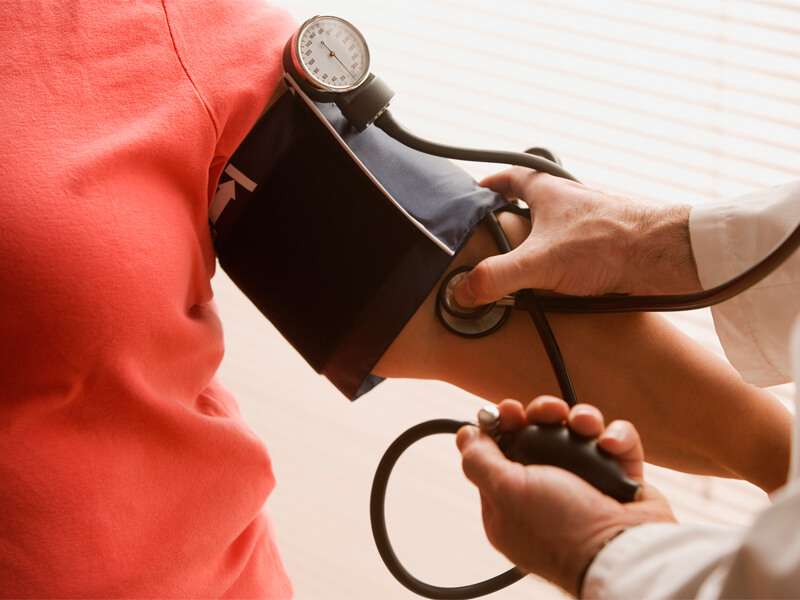
Diabetes is a chronic condition that affects how your body processes glucose. It's vital for individuals diagnosed with diabetes to understand this condition for effective management.
- Symptoms: Early signs may include increased thirst, frequent urination, fatigue, or blurred vision.
- Causes: Risk factors involve genetics, obesity, sedentary lifestyle choices, and poor dietary habits.
- Diagnosis: Diabetes is diagnosed through blood tests measuring glucose levels during fasting or after meals (HbA1c test).
- Treatment Options:The approach often includes dietary changes, regular exercise, insulin therapy for Type 1 diabetes, or oral medications for Type 2 diabetes.
- What to Expect: Properly managed diabetes allows patients to lead normal lives while reducing the risk of complications such as heart disease or nerve damage.
Consistent monitoring of blood sugar levels is crucial in achieving long-term health goals.
ALLERGY TESTING

Allergies occur when the immune system reacts to substances in the environment known as allergens. Understanding allergies is crucial for effective management and treatment.
- Symptoms: Common symptoms include sneezing, itching, skin rashes, and even respiratory difficulties in severe cases.
- Causes: Allergens may include pollen, pet dander, mold spores, certain foods, or insect stings.
- Diagnosis: Allergy testing typically involves skin prick tests or blood tests to identify specific allergens triggering reactions.
- Treatment Options: Treatment can range from avoidance strategies to antihistamines or allergy shots (immunotherapy).
- What to Expect: Effective treatment helps manage symptoms and improve quality of life by reducing exposure to allergens.
A comprehensive understanding of allergens aids patients in making informed decisions about their health and lifestyle.
HYPERTENSION MANAGEMENT

Hypertension, or high blood pressure, is a common health issue that can lead to serious complications if left untreated. It often develops over many years and can be influenced by various factors.
- Symptoms: Many individuals experience no symptoms, but some may report headaches or nosebleeds.
- Causes: Factors include genetics, obesity, poor diet, lack of physical activity, and excessive alcohol consumption.
- Diagnosis: Blood pressure readings taken during routine check-ups are the primary method for diagnosing hypertension.
- Treatment Options: Management typically involves lifestyle changes and may include medications such as diuretics or ACE inhibitors.
- What to Expect: With proper treatment and management strategies, people can effectively control their blood pressure and reduce the risk of heart disease.
Regular monitoring and adherence to prescribed treatments are essential for maintaining healthy blood pressure levels.