
Dr Naveen sharma
About Me
Dr Naveen sharma
MD
Oncologist
10 Years Experience
Biography
My Clinic
OPD Hours
| Monday | Morning | 10:00 AM | - | 02:00 PM |
| Evening | 06:00 PM | - | 09:00 PM | |
| Tuesday | Morning | 10:00 AM | - | 02:00 PM |
| Evening | 06:00 PM | - | 09:00 PM | |
| Wednesday | Morning | 10:00 AM | - | 02:00 PM |
| Evening | 06:00 PM | - | 09:00 PM | |
| Thursday | Morning | 10:00 AM | - | 02:00 PM |
| Evening | 06:00 PM | - | 09:00 PM | |
| Friday | Morning | 10:00 AM | - | 02:00 PM |
| Evening | 06:00 PM | - | 09:00 PM | |
| Saturday | Morning | 10:00 AM | - | 02:00 PM |
| Evening | 06:00 PM | - | 09:00 PM | |
| Sunday | Morning | 10:00 AM | - | 02:00 PM |
| Evening | 06:00 PM | - | 09:00 PM |
Treatments
Specialised care and treatments offered
BLOOD CANCERS (LEUKEMIA)
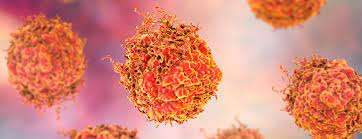
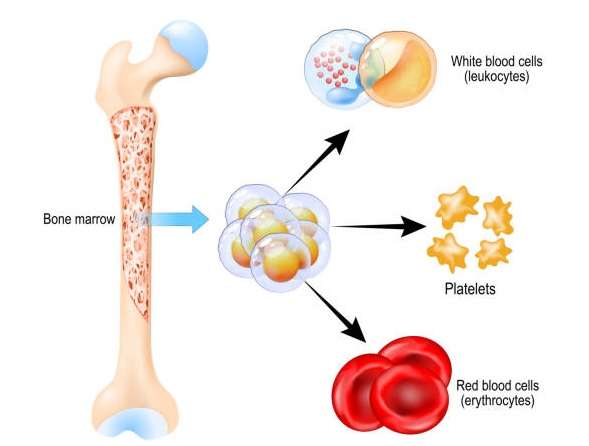
Blood cancers encompass various disorders affecting blood cells primarily categorized into leukemias impacting white blood cell production leading direct consequences upon immune system functions significantly!
- Symptoms manifesting may range broadly including fatigue/easy bruising/frequent infections/fluctuations seen within body temperature occurrences otherwise unknown prior experiences!!!! !
- Accurate diagnostics utilize complete blood count assessments alongside bone marrow biopsies confirming conditions appropriately determined before launching interventions ahead strategically designed accordingly!!!
- Commonly employed treatments extend beyond basic chemotherapies towards stem cell transplants/immunotherapies profoundly altering course intended providing chances long-term remission possibilities alive further thriving onwards concerning outlooks considered thoroughly throughout journeys encountered therein!!!
- Additional psychological support avenues remain vital alongside standard clinical approaches helping individuals cope emotionally navigating through these journeys undergone concurrently passionately committed caring ideally pooling efforts altogether collectively enhancing fulfillment achieved along respective paths pursued intertwined together forever bonded shared realities encapsulated inclusively holistically embracing selves embraced while moving forward bravely exploring realms ahead confronting challenges faced together unabashedly!! ”
Fostering awareness surrounding these diseases assists wider audiences grasping implications/outcomes needed navigate situations awaiting collaboratively collaboratively working united trees underlying foundations built resiliently enduring ultimately reaching towards brighter horizons thriving deservedly!!! ”
SKIN CANCER
Skin cancer arises from abnormal growths on skin cells commonly caused by ultraviolet (UV) light exposure. The two most prevalent types include basal cell carcinoma (BCC) and melanoma; awareness ensures early intervention when necessary!
- Main symptoms encompass unusual moles changing shape/size/color along with skin lesions that don’t heal properly over time as well as itching/burning sensations that accompany affected areas too often unnoticed initially!
- Diagnosis predominantly relies upon physical examinations coupled with dermatoscopic evaluations identifying distinctive characteristics within abnormal patches observed closely followed through biopsy confirmations respectively!
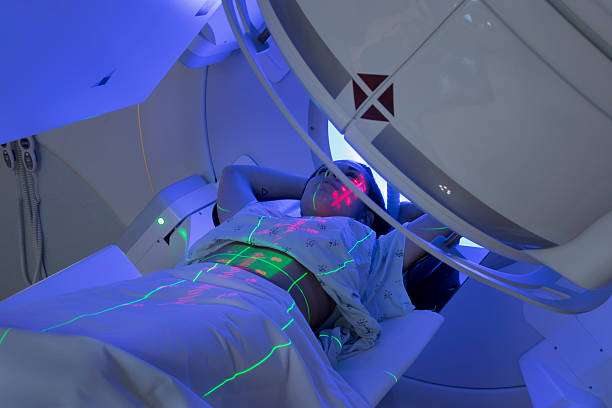
- Treatment routes vary extensively encompassing topical therapies alongside surgical excisions providing opportunities through chemotherapy/radiation targeted approaches where indicated!!!
- Healthy skincare regimens emphasizing sun protection measures play pivotal roles reducing risks heading onwards!
Early recognition forms foundational steps advancing toward successful management strategies ensuring healthier skin while minimizing further complications down road Reyes!
PROSTATE CANCER

This form of cancer affects the prostate gland located just below the bladder in men. Prostate cancer varies widely in growth rates; some types need immediate treatment while others may require careful monitoring instead.
- Common symptoms include difficulty urinating, blood in urine or semen, pain during ejaculation, or lower back pain.
- Diagnosis often relies on PSA (prostate-specific antigen) blood tests followed by biopsies should levels be elevated indicating potential issues.
- Treatment strategies could involve active surveillance for less aggressive tumors or therapies like surgery, radiation therapy, hormonal treatments aimed at controlling disease progression effectively.
- Pain management and psychological support are equally critical aspects of care throughout treatment processes as they contribute positively towards overall patient well-being during challenging times.
The variability among patients underscores the importance of personalized treatment plans tailored according to each unique case scenario for optimal care outcomes over time.
COLORECTAL CANCER
Colorectal cancer refers to cancers found in the colon or rectum and generally begins with precancerous polyps. Regular screenings are essential as they enable early detection which significantly improves survival rates.
- Symptoms might include changes in bowel habits, blood in stool, abdominal discomfort, or unexplained weight loss.
- An accurate diagnosis usually requires colonoscopy procedures where polyps can be found and sampled for testing.
- Treatment options often combine surgery with chemotherapy or radiation therapy depending on how advanced the cancer is at diagnosis.
- Follow-up care plays an important role after initial treatment to monitor for recurrence; patients are encouraged to have regular check-ups as part of their survivorship plan.
- Emphasizing dietary changes may also assist patients in recovery and prevent future occurrences by promoting gastrointestinal health.
A proactive approach towards colorectal health can significantly reduce risks associated with this type of cancer through timely interventions and lifestyle adjustments.
LUNG CANCER
Lung cancer is characterized by the uncontrolled growth of abnormal cells in one or both lungs. It often develops due to smoking but can also occur in non-smokers. Early detection plays a crucial role in successful treatment outcomes.
- The main symptoms include persistent coughing, chest pain, shortness of breath, and unexplained weight loss.
- Diagnosis generally involves imaging tests like CT scans combined with biopsies to confirm cancer presence.
- Treatment typically includes surgery, radiation therapy, chemotherapy, or targeted therapy depending on the stage and type of lung cancer diagnosed.
- Palliative care is vital for managing symptoms and side effects throughout treatment to maintain patient comfort.
- Engaging in lifestyle modifications such as quitting smoking can significantly enhance recovery prospects post-diagnosis.
Lung cancer's complexity requires a comprehensive management approach tailored to each individual's needs for optimal results.
BREAST CANCER
Breast cancer is a complex disease that occurs when cells in the breast tissue grow uncontrollably. This condition is one of the most common cancers among women, but it can also affect men. Early detection and treatment are crucial for improving outcomes.
- Symptoms may include a noticeable lump, changes in breast shape or size, and unusual discharge from the nipple.
- Diagnosis typically involves mammograms, ultrasounds, and biopsies to assess the presence of cancerous cells.
- Treatment options vary and can include surgery, chemotherapy, radiation therapy, and hormone therapy based on the individual’s situation.
- Managing breast cancer also involves regular follow-ups to monitor recovery and detect any potential recurrence early.
- A supportive care plan focusing on nutrition and emotional health can significantly enhance quality of life during treatment.
Understanding breast cancer is vital for effective management. Regular screenings and awareness of symptoms can lead to early intervention and better prognoses.