
Dr Naveen Sharma
About Me
Dr Naveen Sharma
MD
Oncologist
10 Years Experience
Biography
My Clinic
OPD Hours
| Monday | Morning | 10:00 AM | - | 02:00 PM |
| Evening | 06:00 PM | - | 09:00 PM | |
| Tuesday | Morning | 10:00 AM | - | 02:00 PM |
| Evening | 06:00 PM | - | 09:00 PM | |
| Wednesday | Morning | 10:00 AM | - | 02:00 PM |
| Evening | 06:00 PM | - | 09:00 PM | |
| Thursday | Morning | 10:00 AM | - | 02:00 PM |
| Evening | 06:00 PM | - | 09:00 PM | |
| Friday | Morning | 10:00 AM | - | 02:00 PM |
| Evening | 06:00 PM | - | 09:00 PM | |
| Saturday | Morning | 10:00 AM | - | 02:00 PM |
| Evening | 06:00 PM | - | 09:00 PM | |
| Sunday | Morning | 10:00 AM | - | 02:00 PM |
| Evening | 06:00 PM | - | 09:00 PM |
Treatments
Specialised care and treatments offered
HEMATOLOGICAL MALIGNANCIES WORKUP
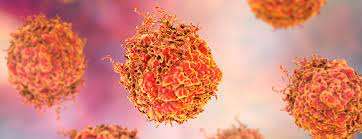
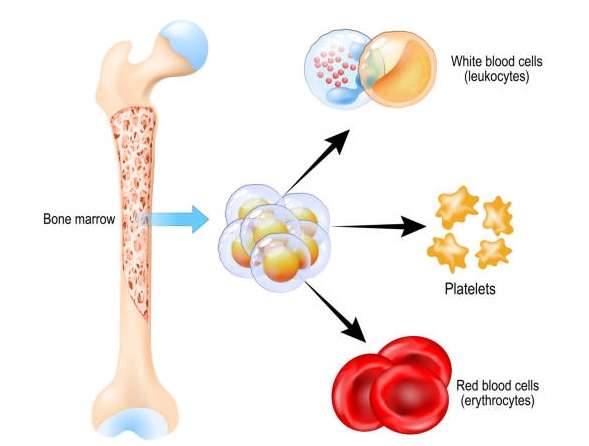
The workup process for hematological malignancies is fundamental in identifying types of blood cancers like leukemias or lymphomas. Initial steps typically involve blood tests followed by bone marrow biopsies if indicated by abnormalities detected during preliminary evaluations
- Signs/Symptoms: Fatigue due to anemia, frequent infections indicative of immune system compromise might point towards possible malignancy risk.
- Diagnostic Steps: Comprehensive laboratory evaluations complement physical examinations providing insights into cellular characteristics aiding definitive diagnoses.
- Treatment Modalities: From chemotherapy regimens designed against specific cell types towards stem cell transplants depending upon individual cases’ overall health status.
- Ongoing Management: Regular monitoring post-treatment ensures any potential recurrences are promptly addressed enhancing long-term survival chances.
Understanding hematological health elevates awareness enabling proactive measures defending against serious conditions where timely intervention marks impactful differences ultimately shaping patient outcomes favorably.”
GYNECOLOGIC ONCOLOGY EVALUATION
An evaluation by an oncologist specializing in gynecologic cancers encompasses comprehensive diagnostics aimed at detecting cancers affecting female reproductive organs. Important assessments include Pap smears and pelvic examinations along with imaging tests as dictated by symptoms observed.
- Cancer Symptoms: Symptoms may include abnormal bleeding or pelvic pain; however, many conditions manifest similarly without being cancerous initially.
- Differential Diagnosis Techniques: Pelvic ultrasound or PET scans are often used alongside biopsies if necessary to ascertain abnormal growths' nature accurately.
An accurate diagnosis ensures timely intervention strategies akin to surgery or chemotherapeutic regimens tailored around a woman’s specific case needs. Ongoing communication regarding findings helps navigate treatment landscapes effectively within gynecologic oncology contexts.
PROSTATE CANCER ASSESSMENT

The assessment process for prostate cancer involves several steps aimed at accurately diagnosing this prevalent male cancer. Key components include PSA blood tests and digital rectal exams (DRE).
- Symptoms to Watch For: Many men experience no symptoms initially; however, urinary difficulties can arise with advanced disease progression.
- Evidential Diagnosis: Elevated levels of Prostate-Specific Antigen (PSA) usually trigger further investigation through biopsies or imaging studies to confirm malignancy.
- Treatment Options Available: Treatment plans vary widely from active surveillance to radical prostatectomy combined with radiation or hormone therapies based on tumor grade and patient preferences.
A thorough understanding of prostate health is essential. Regular screenings could facilitate earlier awareness and increase treatment effectiveness when needed.
LUNG CANCER DIAGNOSTICS
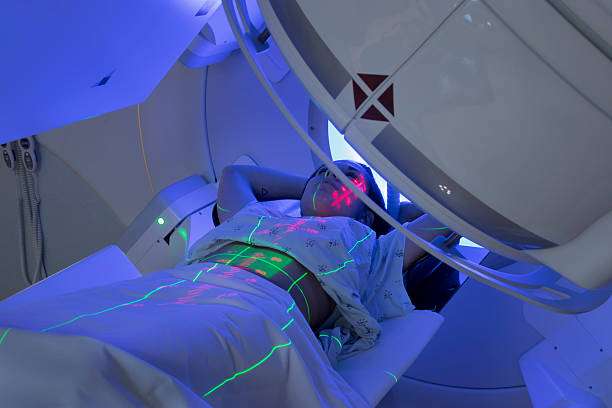
Lung cancer diagnostics play a pivotal role in identifying the disease at its most treatable stages. Early diagnosis often utilizes imaging techniques such as CT scans along with sputum cytology and biopsies for confirmation.
- Symptoms: Common symptoms include a persistent cough, unexplained weight loss, and chest pain. However, these may not always be present until advanced stages.
- Diagnostic Tests: CT scans are essential imaging tools that help in visualizing lung nodules while biopsy procedures provide definitive diagnosis through tissue examination.
- Treatment Strategies: Treatments can range from surgical resection to systemic therapies like chemotherapy or targeted therapies based on specific genetic markers found in tumors.
- Your Journey Forward: Early intervention greatly enhances prognosis; regular screenings are recommended particularly for high-risk groups such as smokers.
A comprehensive approach involving diagnostic evaluation can lead to more informed decisions regarding treatment options available for lung cancer patients.
COLORECTAL CANCER SCREENING
This type of cancer screening is vital as it can detect precancerous conditions as well as colorectal cancer at an early stage. Several methods exist for effective screening, such as colonoscopy and stool tests.
- Symptoms: Symptoms might include blood in stools, persistent abdominal discomfort, or changes in bowel habits.
- Diagnosis: Colonoscopy is the gold standard for diagnosis; it allows direct visualization of the colon and potential biopsy of suspicious lesions.
- Treatment Approaches: Depending on the diagnosis, treatments may involve surgical removal of tumors followed by chemotherapy or radiation therapy as necessary.
- Follow-up Care: Post-treatment follow-ups are crucial to monitor recovery and manage any residual risks or recurrence effectively.
The importance of early detection cannot be overstated; adhering to recommended screening guidelines could save lives through timely intervention.
BREAST CANCER SCREENING
Screening for breast cancer is crucial for early detection and successful treatment. This process generally involves various imaging techniques, including mammograms, to identify any abnormalities in breast tissue.
- Symptoms: Often there are no symptoms at the initial stages; however, abnormal lumps or changes in breast shape may occur.
- Diagnosis: A mammogram is the primary diagnostic tool, complemented by additional tests like ultrasound or MRI if needed.
- Treatment Options: If detected early, options include surgery, radiation therapy, hormone therapy, or chemotherapy depending on the stage and type of cancer.
- What to Expect: Regular check-ups enhance your chances of early detection; discuss risks and benefits with your healthcare provider for personalized care.
Being proactive about screening can significantly influence outcomes and survivability. Consult your healthcare provider to determine a suitable screening schedule based on your risk factors.