
Dr Nazir I Juvale
About Me
Dr Nazir I Juvale
Cardiologist
Biography
My Clinic
OPD Hours
| Tuesday | Morning | 10:00 AM | - | 02:00 PM |
| Evening | 06:00 PM | - | 09:00 PM | |
| Wednesday | Morning | 10:00 AM | - | 02:00 PM |
| Evening | 06:00 PM | - | 09:00 PM | |
| Thursday | Morning | 10:00 AM | - | 02:00 PM |
| Evening | 06:00 PM | - | 09:00 PM | |
| Friday | Morning | 10:00 AM | - | 02:00 PM |
| Evening | 06:00 PM | - | 09:00 PM | |
| Saturday | Morning | 10:00 AM | - | 02:00 PM |
| Evening | 06:00 PM | - | 09:00 PM | |
| Sunday | Morning | 10:00 AM | - | 02:00 PM |
| Evening | 06:00 PM | - | 09:00 PM | |
| Thursday | Morning | 10:00 AM | - | 02:00 PM |
| Evening | 06:00 PM | - | 09:00 PM |
Treatments
Specialised care and treatments offered
PULMONARY HYPERTENSION CARE

Pulmonary hypertension is a complex disorder affecting the arteries in the lungs leading to increased pressure within them. It’s essential for individuals diagnosed with this condition to understand its implications on overall health management strategies available today!
- Symptoms: Patients report feeling shortness breath especially during light activities ; dizziness & fatigue also accompany this condition posing challenges daily performance capabilities .
- Contributing Factors : Scleroderma , congenital heart defects other underlying illnesses could exacerbate pulmonary hypertension progression ; awareness plays crucial role overcoming hurdles encountered daily !
- Diagnostic Methods: A detailed workup involves performing echocardiograms measuring right ventricular function addressing corresponding pressures observed along angiography aiding assessments thoroughly .
- Care Guidelines: This disorder requires multidisciplinary approaches including medications targeting vascular walls surgical options wherein deemed necessary following professional evaluations regularly enabling optimal treatments reaching all aspects improvement areas needed timely !
Bearing knowledge regarding pulmonary arterial pressures enhances proactive engagement leading towards healthier lifestyles ultimately benefitting those affected across various dimensions life experiences routinely faced regularly!
CONGESTIVE HEART FAILURE MANAGEMENT
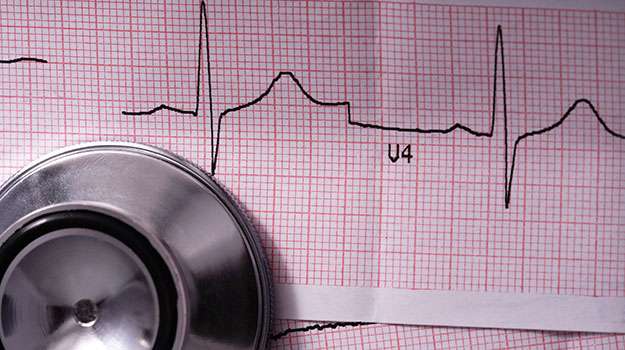
This chronic condition occurs when the heart can't pump blood efficiently enough for the body's needs. Understanding congestive heart failure (CHF) leads to smarter management choices for those living with it daily.
- Symptoms: Common signs include fatigue , persistent cough/wheezing due fluid accumulation & swelling throughout ankles/legs .
- Main Causes : Conditions like coronary artery disease , hypertension , diabetes pose risks increasing likelihood developing CHF .
- Diagnosis : Physicians perform a physical exam coupled with imaging tests such as chest X-rays & echocardiograms aiding accurate identification .
- Treatment Strategies : Managing CHF involves comprehensive care which includes adhering medications combined alongside dietary restrictions focusing sodium intake /fluid status along with regular exercise tailored per patient capacity levels .
A well-established follow-up care regimen fosters better health outcomes reinforcing that effective living doesn't stop upon diagnosis!
HEART RHYTHM DISORDERS CARE
Atrial fibrillation (AFib) is one common type of arrhythmia that affects normal heart rhythm. Awareness about AFib allows individuals suffering from it to pursue effective interventions promptly.
- Symptoms : Palpitations or irregular heartbeat are often reported along with dizziness or fatigue when engaged physically .
- Causes : Risk factors include age , previous heart disease history , thyroid issues , excessive alcohol use or stimulants .
- Diagnosis : Evaluation utilizing an ECG (electrocardiogram) helps identify abnormal rhythms during doctor visits ; continuous monitoring devices might also be recommended
- Management Strategies : Treatments may encompass medication adjustments , lifestyle alterations focusing on reducing triggers while sometimes considering procedures like catheter ablation .
- Outlook : With appropriate management plans adhered too consistently , patients typically experience considerable symptom relief achieving overall better quality life outcomes .
Taking charge by recognizing symptoms early is paramount for successful intervention; trust consecutive follow-ups will bolster your understanding!
LIFESTYLE COUNSELING FOR HEART HEALTH
The prevention of cardiovascular diseases heavily relies on healthy lifestyle choices. Counseling focuses on empowering patients with knowledge about achieving optimal heart health through daily habits.
- Symptoms/Signs: Patients may feel fatigue or discomfort during exertion; early counseling can help mitigate these issues before they escalate into more significant problems.
- Main Causes:This condition can stem from factors like an unhealthy diet (high sugar/fats), sedentary lifestyle, smoking habits or stress-related behaviors.
- Assessment Process:A thorough evaluation includes discussions about current lifestyle practices followed by tailored recommendations based on individual health needs.
- Treatment Approach:Lifestyle modifications emphasize physical activity (aiming for 150 minutes/week), balanced nutrition (Incorporating fruits/vegetables), weight management strategies alongside stress reduction techniques such as mindfulness or yoga.
The key is the commitment to gradual yet sustainable changes leading towards long-term cardiovascular wellness. Regular follow-up sessions help maintain motivation!
CHOLESTEROL MANAGEMENT
High cholesterol levels can significantly increase the risk of heart disease and stroke. Understanding cholesterol's role in overall health helps in making informed lifestyle choices to manage these levels effectively.
- Symptoms: High cholesterol usually presents no direct symptoms; however, it can lead to complications if not monitored.
- Causes: Poor diet high in saturated fats, lack of physical activity, smoking, and genetic factors contribute to elevated cholesterol levels.
- Diagnosis: A lipid panel blood test measures total cholesterol as well as levels of LDL (bad) and HDL (good) cholesterol.
- Treatment Options: Lifestyle modifications are crucial. Patients are often advised to adopt a heart-healthy diet rich in fruits, vegetables, whole grains while engaging in regular physical activity. Medications may be prescribed if necessary.
- What to Expect: Through consistent efforts in diet and exercise, many patients see improvements in their cholesterol profiles within a few months.
A proactive approach toward managing cholesterol can dramatically lower the risk of cardiovascular diseases over time.
HYPERTENSION MANAGEMENT
Hypertension, often referred to as high blood pressure, is a prevalent condition that can lead to serious health issues if left untreated. It is essential to monitor and manage blood pressure levels effectively through lifestyle changes and medical intervention.
- Symptoms: Many individuals may not experience noticeable symptoms, but some might suffer from headaches, shortness of breath, or nosebleeds.
- Causes: Factors include poor diet, lack of physical activity, obesity, genetics, and high salt intake.
- Diagnosis: Healthcare providers typically diagnose hypertension through regular monitoring of blood pressure readings at their offices or with home devices.
- Treatment Options: Management strategies may involve dietary modifications such as reducing sodium intake, engaging in regular exercise, maintaining a healthy weight, and potentially taking medications.
- What to Expect: With consistent management and lifestyle changes, many patients can control their blood pressure effectively and reduce the risk of heart disease.
Regular check-ups are vital for individuals at risk of hypertension. Early detection and proactive management can greatly enhance quality of life.